
Plants
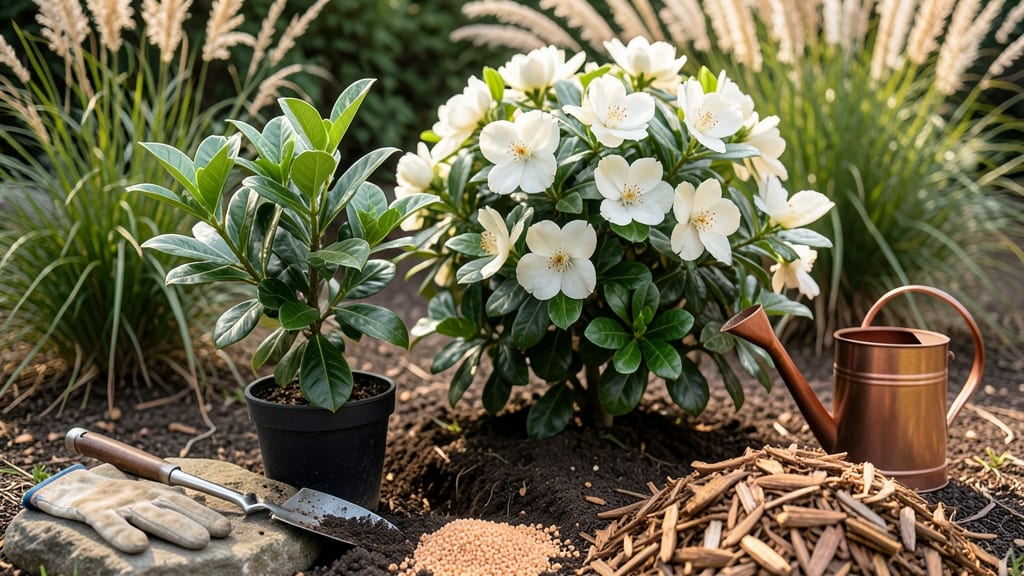
Planting your gardenia 🌸 at the wrong time in North Carolina can mean the difference between fragrant blooms and struggling growth—so timing isn’t just about the calendar, it’s about soil warmth and regional microclimates.
If you’ve ever watched your gardenia leaves yellow or flowers fail to appear, you might be planting too early when frost risks linger. The key is waiting until the soil reaches 60°F or warmer, which typically happens in March or April across most of NC’s 7a-8b zones.
I’ll show you exactly when to plant based on your specific region—whether you’re in the Coastal Plain, Piedmont, or Mountains—plus pro tips to avoid transplant shock and ensure fast root establishment.
Ready to transform your gardenia from a struggling shrub to a thriving, fragrant centerpiece? Let’s dive into the perfect planting window for your NC climate.
North Carolina’s ideal planting windows for gardenias by region
North Carolina’s diverse climate means gardenias planted in Coastal areas thrive under different timing rules than those in the Mountains. The key factors? Soil temperature (wait for 60°F+) and frost-free dates that vary by USDA zones 7a-8b.
Plant too early, and roots struggle in cold soil; too late, and summer heat stresses young plants.
For Coastal NC (zones 8a-8b), where humidity lingers and mild winters prevail, the ideal window stretches from mid-February to early April.
Inland Piedmont (zone 7b) gardeners should wait until late March to mid-April, while Mountain regions (zone 7a) face tighter deadlines—April to early May—to avoid late frosts.
In Coastal NC, gardeners can push the envelope by planting as early as February 15th if soil temperatures stay above 55°F at 4 inches deep.
Use a soil thermometer to confirm—gardenias hate soggy, cold roots. Piedmont gardeners should mark their calendars for April 1st as the cutoff; after that, summer’s heat arrives faster than roots can establish.
For Mountain regions, patience is key. The April 15th deadline isn’t arbitrary—it aligns with the average last frost date in zones like Asheville.
Delaying until May might seem safer, but younger plants struggle with summer drought if not established early. Container gardenias offer flexibility here; they can be planted 2-3 weeks later than in-ground varieties.
Regional humidity also plays a role. Coastal gardeners should avoid planting in May—the combination of high heat and humidity creates ideal conditions for powdery mildew. Instead, opt for early spring or fall (September) plantings, though fall roots need time to harden off before winter.
Pro tip: Test your soil’s pH before planting—gardenias demand acidic soil (5.0-6.0). In Piedmont and Mountain areas, where soil pH often skews alkaline, amend with sulfur or peat moss 4-6 weeks before planting. This prep work pays off in vibrant blooms by summer.
If you’re in a transition zone (e.g., Durham or Greensboro), err on the side of caution. Microclimates can shift planting windows by 2-3 weeks. Monitor local weather forecasts and use mulch to insulate soil—this keeps roots 5-10°F warmer than ambient air temperatures.
Remember: Gardenias planted in March-April in Coastal NC will often bloom by June, while Mountain plants may not flower until July-August. The trade-off? Earlier plantings give roots more time to establish before summer heat—critical for long-term health. 🌸
Soil temperature and moisture secrets for faster gardenia root growth
Your gardenia’s roots need consistent warmth and proper moisture to establish quickly after transplanting. In North Carolina’s 7a-8b zones, soil temperatures below 60°F can shock tender roots, while soggy soil suffocates them.
The secret? Plant when the top 6 inches of soil stay above 60°F for at least 5 days straight—usually late March to early April in most regions.
Testing soil warmth is simple: Use a soil thermometer (just $10 at garden centers) or the back-of-hand test. If the soil feels warm but not hot to your touch, it’s ready. For container gardenias, check the potting mix temperature—it should mirror outdoor soil conditions to avoid transplant shock.
Gardenias crave moist but not soggy soil. Aim for 1-1.5 inches of water per week, either from rain or deep watering. The key is consistency: Let the top inch dry between waterings, but never let the roots bake in dry soil.
Mulching with 2-3 inches of pine bark locks in moisture and regulates temperature.
⚠️ WARNING: These Mistakes Kill Gardenia Roots ⚠️
Planting Too Early
Cold soil (below 60°F) stalls root growth. In NC’s Piedmont, this means waiting until April—not March! Check local frost dates to avoid early-season setbacks.
Overwatering at Planting
Soggy soil suffocates roots. Water deeply once after planting, then let the soil settle for 3-5 days before resuming your watering schedule.
Skipping Mulch
Without mulch, soil temperatures swing wildly. Use pine bark or shredded leaves to insulate roots and retain moisture—critical in NC’s humid summers.
For faster root growth, add compost or peat moss to planting holes. This improves drainage while keeping soil acidic (pH 5.0-6.0), which gardenias love. After planting, water deeply again and avoid fertilizing for 6-8 weeks—roots need time to establish before feeding.
Watch for yellowing leaves or wilting, which signal overwatering or poor drainage. Adjust by letting the soil dry slightly longer between waterings. In contrast, crispy edges mean underwatering—add mulch and water more frequently during heatwaves.
Pro tip: Use a moisture meter to track soil conditions. Gardenias in containers dry out faster—check moisture levels every 3-4 days in summer. With the right soil warmth and moisture balance, your gardenia will establish roots in 4-6 weeks and reward you with fragrant blooms by summer.