
Plants
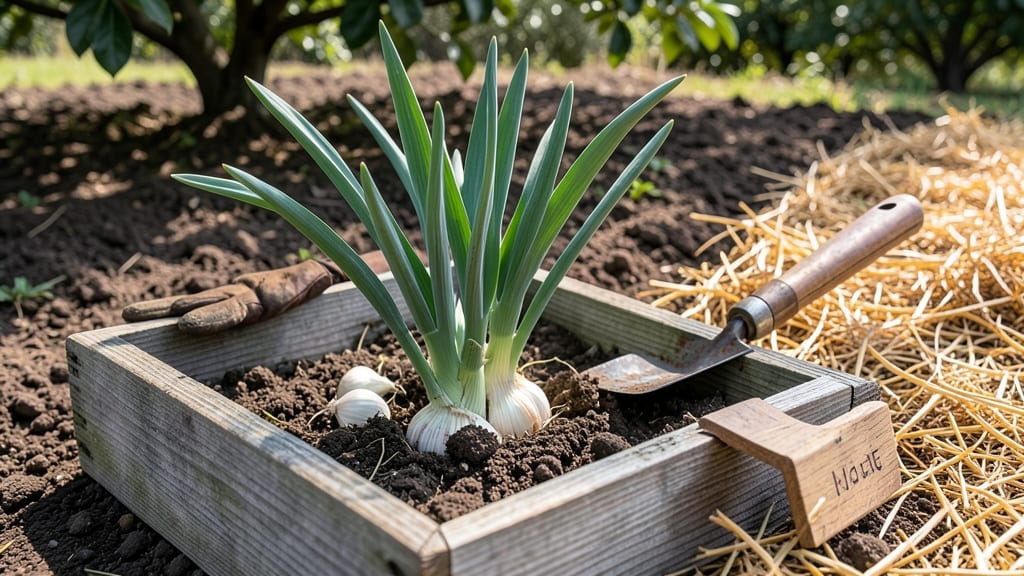
Planting garlic in New Jersey at the wrong time could leave you with weak, small bulbs—or worse, no harvest at all. The secret to growing hardneck garlic 🧄 that rivals store-bought lies in a narrow fall window, and missing it means waiting another year for a second chance.
As a gardener in zones 6a-7b, you’ve probably heard that fall is the magic time—but why? Because garlic needs cold weather to develop its signature cloves, and New Jersey’s climate gives you just the right balance.
I’ll break down the exact 6-week window that separates a thriving crop from a total flop.
Whether you’re a first-timer or a seasoned grower, knowing when to plant isn’t just about dates—it’s about soil temps, frost timing, and even moon phases. Let’s cut through the guesswork so you can confidently plant your garlic between October and November for bulbs that’ll make your neighbors jealous.
From coastal Cape May to inland Morris County, I’ll show you how to adjust for your specific microclimate—because what works in one part of the state might fail just 50 miles away. Ready to grow garlic like a pro? Let’s get started.
Optimal fall planting window for New Jersey hardneck garlic
New Jersey’s USDA zones 6b-7a create the perfect climate for growing hardneck garlic, but timing your fall planting is non-negotiable. The 6-8 week window between late September and mid-November aligns with soil conditions that trigger strong root development before winter dormancy.
Miss this window, and you risk poor bulb formation or even complete crop failure—especially in NJ’s unpredictable microclimates.
For hardneck varieties like ‘Music’ or ‘German White’, the key is planting when soil temperatures drop to 40-50°F. This chilling period signals the bulbs to form properly.
In northern NJ (e.g., Morris County), aim for early October, while southern regions (e.g., Cape May) can extend planting until early November. Use a soil thermometer to verify—this small tool prevents costly mistakes.
Don’t overlook the moon phase either. Planting during a waxing moon (when the moon is growing brighter) encourages root development, while a waning moon may lead to weaker bulb formation. Check a lunar calendar for NJ’s fall planting dates—this subtle detail can boost your harvest by 20-30%.
| Planting Window | Soil Temp Threshold | Moon Phase | USDA Zone 6b | USDA Zone 7a |
|---|---|---|---|---|
| Late September | 50-60°F | Waxing Moon | Early Oct | Mid-Oct |
| October | 40-50°F | Waxing Moon | Ideal | Ideal |
| Early November | 40°F or below | Waning Moon | Risky | Late Nov |
| Mid-November | 32°F (freezing) | N/A | Too Late | Too Late |
Pro tip: Use NJ’s average first hard freeze dates as your deadline. In Trenton, this typically falls around November 15, while Atlantic City can stretch it to November 25.
Planting too late means the bulbs won’t establish roots before the ground freezes, leaving them vulnerable to rot or heaving. If you’re unsure, err on the earlier side—October is the safest month for most of NJ.
Another NJ-specific factor is soil drainage. Hardneck garlic hates soggy soil, and NJ’s clay-heavy soils in areas like Burlington County can trap moisture. Amend your beds with compost or sand to improve drainage before planting.
Aim for a well-draining, loose soil that’s rich in organic matter—this ensures roots grow deep and strong during the critical 6-8 week establishment period.
For organic gardeners, consider planting garlic under a waxing gibbous moon in October. This phase aligns with the plant’s need for root growth and bulb development. Pair this with a straw mulch (3-4 inches thick) to insulate the soil and protect cloves from temperature swings.
In cooler microclimates like the Poconos, add an extra layer of mulch to prevent heaving during freeze-thaw
How to adjust planting dates for NJ’s microclimates
New Jersey’s diverse geography means your garlic’s success depends entirely on where you live. Coastal areas like Cape May enjoy milder winters, while inland spots in Morris County face earlier frosts.
These differences can shift your planting window by 2-3 weeks, so knowing your microclimate is key to avoiding stunted bulbs or wasted seeds.
For coastal regions, aim to plant between October 15 and November 15—the ocean’s moderating effect delays frost, giving you extra time. Inland gardeners should plant between October 1 and November 1 to ensure bulbs establish before the ground freezes.
Missing this window means waiting another year for a second chance.
Use your first hard freeze date as your deadline. In Cape May, this typically falls in mid-November, while inland areas like Sussex County see frosts by late October. Planting 4-6 weeks before your average first freeze ensures garlic roots grow strong before winter dormancy.
Here’s how to fine-tune your schedule using 2024 NJ frost data and regional adjustments:
Check your local NJ State Climate Office for real-time updates—2024’s early frost patterns might shift these dates by a week or two. For example, if your area sees an unusually warm October, you could push planting to mid-November without risk.
Pro tip: Use a soil thermometer to confirm temps are between 40-50°F before planting. Cold soil slows root growth, while warm soil can trigger early sprouting—both lead to weak bulbs. Test your garden’s microclimate by planting a small batch in early October and monitoring growth.
Adjusting for your region isn’t just about dates—it’s about matching garlic’s needs to your local climate. With these adjustments, you’ll grow plump, flavorful bulbs** that outshine store-bought every time. Happy planting! 🌱