
Plants
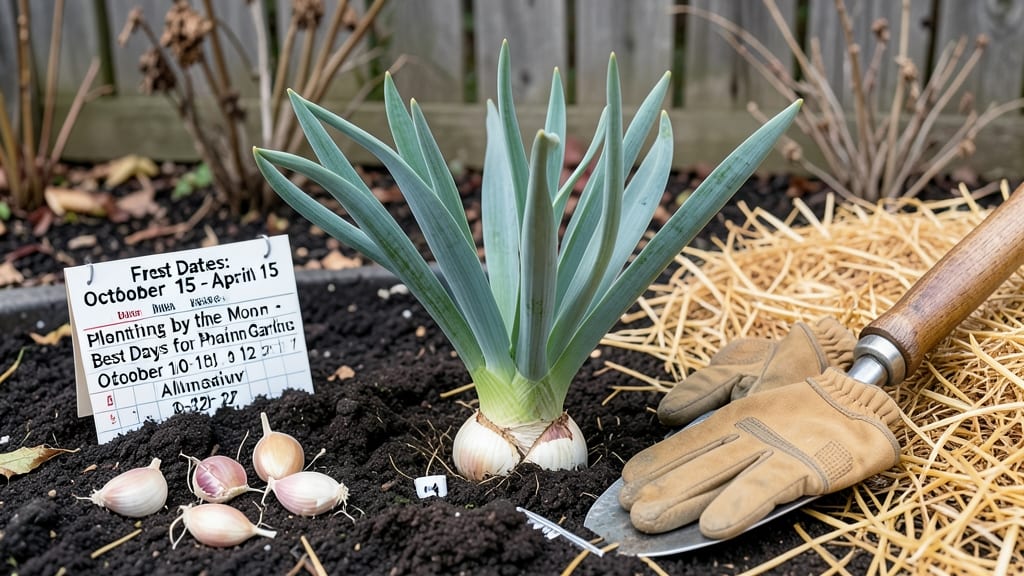
Planting garlic in New York at the wrong time means sacrificing those bold, flavorful bulbs you crave—especially if you're growing hardneck varieties for their prized scapes.
The key isn't just waiting for fall; it's timing it 6-8 weeks before the ground freezes, which in Zone 6a means October through early November.
Why does this matter? Because New York’s unpredictable winters and late spring frosts demand precision. Plant too early, and your garlic might bolt; too late, and it won’t establish roots before the cold sets in.
I’ve learned the hard way—skipping this window can turn your garlic into a shriveled mess instead of the plump harvest you’re dreaming of.
Here’s the secret: Soil temperature is your best friend. Aim for 40-50°F—cool enough to signal dormancy but warm enough for roots to take hold.
Whether you’re in Upstate’s cooler microclimates or NYC’s urban heat islands, this guide will help you nail the timing for hardneck garlic that thrives year after year.
Ready to grow garlic that’ll make your neighbors jealous? Let’s break down the exact steps to plant in New York’s climate—plus how to spot common mistakes before they ruin your harvest.
Best fall planting windows for garlic in New York (by region)
New York’s diverse climate means garlic planting dates vary dramatically between Upstate NY and the NYC metro area. Upstate gardeners in Zone 5-6 face earlier frosts, while Zone 7 NYC enjoys milder winters.
The key is planting 4-6 weeks before ground freezes—but that window shifts by 2-3 weeks between regions. Let’s break it down by your location to avoid winter-killed cloves or stunted bulbs.
For Upstate NY (Zones 5-6), aim for mid-October to early November. This gives garlic time to establish roots before hard frosts hit in late November. In Zone 5 areas like Syracuse or Buffalo, plant by October 15th—any later risks freeze damage before roots anchor.
Meanwhile, NYC and Long Island (Zone 7) can plant until mid-November, thanks to delayed frosts and urban heat retention.
Soil temperature is your true planting guide, not just calendar dates. Garlic cloves need 40-50°F soil to sprout—test with a soil thermometer or wait until soil is workable (not muddy).
In Upstate, this often means late October, while NYC gardeners can wait until early November. Hardneck varieties (like Music or German Red) thrive in NY’s cold—plant them first for maximum scape production.
Here’s how to adjust for early/late winters. If your area had early frosts last year, plant 2 weeks sooner this fall. Conversely, if winters are mild and delayed (like NYC’s urban microclimate), push planting to mid-November.
Use mulch (straw or leaves) to insulate cloves if planting near frost dates—this adds 2-3 weeks of protection.
| Region | USDA Zone | Optimal Planting Window | Soil Temp Goal | Frost Risk |
|---|---|---|---|---|
| Upstate NY (Syracuse, Buffalo) | Zone 5-6 | Mid-October to October 31st | 40-50°F | High (Nov 20-Dec 1) |
| Central NY (Albany, Rochester) | Zone 5-6 | Late October to November 10th | 40-50°F | Moderate (Nov 25-Dec 5) |
| NYC Metro (Bronx, Queens) | Zone 7 | November 1st to November 15th | 45-50°F | Low (Dec 10-Jan 5) |
| Long Island (Zone 7-8) | Zone 7-8 | November 1st to November 20th | 45-50°F | Very Low (Dec 15-Jan 10) |
Don’t overlook soil preparation—garlic hates wet, heavy clay, common in Upstate. Amend beds with compost or aged manure in late summer to improve drainage.
In NYC’s urban gardens, raised beds solve compaction issues and warm up faster in fall. Hardneck varieties (like Chesnok Red) perform best in Upstate’s cold, while softnecks (Artichoke) suit NYC’s milder winters for storage garlic.
If you miss the ideal window, late November plantings can still work in NYC with row covers. In Upstate, avoid planting after November 15th—cloves won’t root before freeze. For container growing, use deep pots (12"+) and plant 1-2 weeks earlier than ground dates, as pots cool faster.
Always plant pointed end up, 2 inches deep, and 6 inches apart for proper airflow.
Pro tip: Moon phase matters for garlic! Plant during the waning moon (after full moon)
How to time garlic planting for maximum hardneck yield in NY
Timing garlic planting in New York isn’t just about picking a month—it’s about syncing with your first frost date, soil temperatures, and even the moon’s phases.
Hardneck varieties like ‘Music’ or ‘German White’ need 6-8 weeks of root development before winter sets in, or they’ll produce small, weak bulbs. I’ve found that planting too early (like September) risks premature sprouting, while waiting until December leaves roots vulnerable to freeze-thaw cycles.
Start by checking your average first frost date. In most of New York (Zones 5-7), this falls between October 15 and November 15. Planting 4-6 weeks before this date—typically late October—gives garlic enough time to establish roots while avoiding the stress of winter’s harshest cold.
For example, if your frost date is November 1, aim for planting around October 10-15.
Here’s your step-by-step guide to perfect timing, including soil checks and moon phase tips to boost bulb size:
Use the USDA Plant Hardiness Zone Map for your NY region. Subtract 6 weeks from your first frost date to find your planting window.
Use a soil thermometer to confirm temps are 40-50°F. If soil is warmer, wait 1-2 weeks; if colder, plant sooner to avoid freeze.
Dig a 6-inch hole and check for dampness. Soil should be moist but not soggy. If dry, water deeply 24 hours before planting.
The 7-day period before the new moon (waning crescent) is ideal for root crops like garlic. This aligns with the plant’s natural energy for underground growth.
NYC’s urban heat may delay frost by 1-2 weeks. Upstate areas (like Zone 5) should plant 2 weeks earlier than NYC to compensate for colder soils.
Apply 4-6 inches of straw or leaves to insulate bulbs. This protects roots from freeze-thaw cycles and keeps soil temps stable.
Pro tip: If you miss the fall window, you can still plant garlic in early spring (March-April), but bulbs will be 30-50% smaller and lack the hardneck’s prized scapes. For maximum yield, stick to fall—and let the moon guide you!
Once planted, monitor your garlic’s progress by checking for 3-4 inches of green shoots by winter. If growth stalls, add a light mulch layer in late winter to shield it from snow’s insulating effect (which can cause rot).
With this timing, you’ll harvest plump, flavorful bulbs in July—ready for braiding or braising.
🌱