
Plants
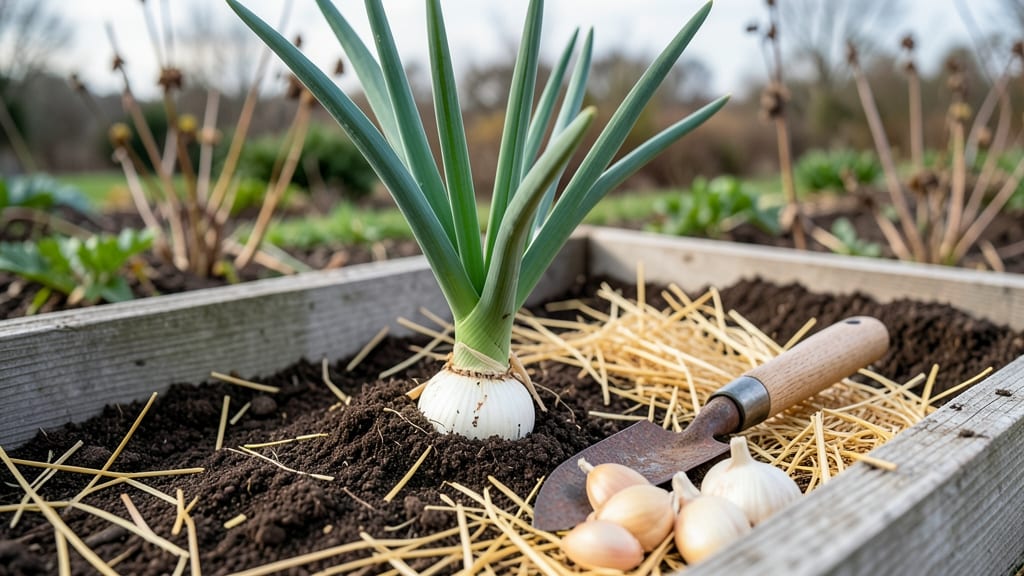
Planting garlic in Tennessee at the wrong time could mean the difference between a bountiful harvest of plump bulbs and a disappointing flop. Since hardneck and softneck varieties each demand precise timing, knowing exactly when to plant garlic in TN is the key to success.
For most Tennessee gardeners in zones 6a-8a, fall planting between October and November is ideal—giving the cloves time to root before winter. But hardneck varieties, like the popular Rocambole, need that extra chill, while softnecks like Silverskin prefer milder conditions.
Spring planting in February or March works too, but it’s trickier to time right.
Whether you’re a seasoned gardener or just starting, getting this right means fewer pests, stronger growth, and bulbs ready for harvest by late June or July. Let’s break down the best timing for your Tennessee garden—so you can avoid common mistakes and grow garlic like a pro.
From Nashville’s valleys to the mountains of Knoxville, your region’s microclimate plays a role. We’ll cover how to adjust planting dates based on frost dates, soil prep, and even elevation—so you can plant with confidence and enjoy that fresh garlic flavor all summer long.
Best planting months for garlic in Tennessee by variety type
Tennessee’s USDA Zones 6-7 create unique challenges for garlic growers, where fall planting is ideal but timing varies by variety type. Hardneck and softneck garlic each demand specific schedules to ensure bulb development and harvest success.
For Tennessee gardeners, planting too early or late can lead to smaller bulbs or even rot—especially in regions like Nashville or Knoxville with variable frost dates.
Most gardeners in Tennessee plant garlic in October or November, but hardneck varieties (like Rocky Mountain or German Red) thrive with a longer cold period—typically 60-90 days below 40°F.
Softneck varieties (like Silverskin or Artichoke) are more flexible but still need cool soil to establish roots before winter. Understanding these differences is key to avoiding wasted effort or poor yields.
Soil temperature is the primary factor in Tennessee’s garlic planting success. For both varieties, aim to plant when soil temps drop to 50-60°F—usually late September to early November.
Hardnecks benefit from earlier planting (late September-October) to maximize cold exposure, while softnecks can handle later plantings (November) without sacrificing bulb size. In Zone 6a (e.g., East Tennessee), plant by October 15; in Zone 7a (e.g., Middle Tennessee), extend to November 1.
| Variety Type | Best Planting Window (TN) | Cold Requirement | Soil Temp at Planting | Key Notes for TN |
|---|---|---|---|---|
| Hardneck (e.g., Rocky Mountain, German Red) | Late September – October 15 | 60–90 days below 40°F | 50–60°F | Plant early for larger bulbs; avoid late plantings in Zone 6a. |
| Softneck (e.g., Silverskin, Artichoke) | October 1 – November 1 | 45–60 days below 40°F | 50–65°F | More flexible timing; better for late plantings in Zone 7a. |
| Both Varieties | Avoid planting after November 15 | N/A | Soil must be workable | Late plantings risk smaller bulbs or winter kill in Zone 6a. |
Why does timing matter so much in Tennessee? Garlic bulbs develop during spring growth, but they need a cold vernalization period to trigger bulb formation. Hardnecks, in particular, produce scape stalks (a prized delicacy) when exposed to prolonged cold.
Planting too late—even by a few weeks—can result in underdeveloped bulbs or no scapes at all. In contrast, softnecks store better long-term but still benefit from early establishment before winter.
For Tennessee gardeners, regional microclimates play a huge role. In East Tennessee’s mountains (e.g., Zone 6a), frost can arrive as early as October 10, so plant by mid-September for hardnecks. Meanwhile, in West Tennessee’s valleys (e.g., Zone 7a), you might extend planting to early November without risk.
Always check your local frost dates—the Tennessee State University Extension provides updated maps to help.
Spring planting is possible in Tennessee but not recommended for hardnecks. Softnecks can be planted in February or early March, but bulbs will be smaller and less flavorful.
If you miss the fall window, focus on softneck varieties and prioritize early spring planting (before March 15) to avoid summer heat stress. Mulching with straw or leaves after planting helps regulate soil temps and protects cloves from freeze-thaw cycles.
One common mistake in Tennessee is planting garlic too shallow or too deep. Cloves should be placed 2 inches deep, with the pointy end up. In heavy clay soils (common in Middle Tennesseecompost or sand to improve drainage.
Overcrowding cloves also stunts growth—space them 4-6 inches apart in rows 12 inches apart for optimal airflow and bulb development.
Harvest timing is just
How to adjust garlic planting for Tennessee’s microclimates
Tennessee’s diverse geography—from the Appalachian Mountains in the east to the Cumberland Plateau in the west—means garlic planting times vary dramatically. In East Tennessee (like Knoxville), cooler temperatures and higher elevations call for earlier planting, while Middle and West Tennessee (Nashville, Chattanooga) can handle later starts.
Even a 1,000-foot elevation change can shift your ideal planting window by 2-3 weeks!
For mountain regions (USDA Zone 6a), aim to plant garlic 6-8 weeks before the first frost—typically mid-September to early October. The cooler nights help hardneck varieties like German Red develop strong bulbs.
In contrast, valley areas (Zone 7a) can wait until late October to November, giving soil time to cool slightly before winter.
Soil preparation is just as critical as timing. In East Tennessee’s rocky soils, amending with compost and aged manure improves drainage, while West Tennessee’s clay-heavy soils benefit from sand or peat moss additions.
A pH test is a must—garlic thrives in 6.0-7.0 pH, and Tennessee’s native soils often skew acidic.
Here’s how to adjust planting for your region’s microclimate, including key dates for Nashville, Knoxville, and Chattanooga:
Spring planting is riskier but works if you miss fall. In East Tennessee, plant late February to early March when soil temps hit 40°F. In valleys, wait until mid-March to avoid early spring warmth that can trigger bolting.
For both seasons, hardneck varieties need that cold period, while softnecks can handle milder winters.
Pro tip: Use straw mulch (4-6 inches) in all regions to insulate bulbs through winter. In mountain areas, this prevents freeze-thaw cycles that damage roots. In valleys, it conserves moisture during sporadic winter rains.
For a fall harvest, plant by November 1st—any later risks smaller bulbs or no harvest at all.
Adjusting for Tennessee’s microclimates isn’t just about dates—it’s about soil, elevation, and variety. With these tweaks, you’ll grow garlic that’s bold, flavorful, and ready by July, no matter where you garden in the state. Happy planting! 🌱