
Plants
Planting gladiolus bulbs at the wrong time in Connecticut can leave you waiting months for those showstopping summer blooms—or worse, no flowers at all. The key to success lies in understanding your USDA Zone 6a climate, where frost lingers into April and heat arrives unexpectedly early.
Most gardeners in CT make one of two mistakes: planting too early and risking frost damage, or waiting too long and missing the ideal mid-to-late spring window.
The difference between failure and a garden full of tall, vibrant gladiolus often comes down to timing your corms just right—after the last frost but before the soil gets too hot.
I’ve tested the perfect schedule over the years, and what I’m about to share will help you avoid common pitfalls. Whether you’re a first-time gardener or a seasoned pro, these insights will ensure your gladiolus thrive from planting to late-summer harvest.
Let’s dive into the exact planting timeline, soil prep tips, and how to adjust for Connecticut’s unpredictable weather patterns—so you can enjoy bold blooms from August through September.
Optimal gladiolus planting timeline for CT’s USDA Zone 5-6 climate
Timing your gladiolus bulbs correctly in Connecticut’s USDA Zone 5-6 climate ensures vibrant summer blooms. These striking flowers thrive when planted after the last frost, typically between mid-April and early June. The key is balancing soil warmth and frost-free conditions to give your gladiolus the best start.
Connecticut’s frost dates vary yearly, but the average last frost falls around April 15. Planting too early risks frost damage, while waiting too long may delay blooms.
For reliable results, aim for 4-6 weeks after your local last frost date—usually late April to early May in most of the state.
Here’s a quick reference for planting windows, soil temperatures, and regional adjustments:
| Planting Window | Soil Temperature | Frost Risk | Microclimate Notes |
|---|---|---|---|
| Early Window (Late April) | 50-55°F | Moderate (coastal areas) | Use row covers for protection; best for inland CT. |
| Ideal Window (May) | 60-65°F | Low | Optimal for most CT regions; minimal frost risk. |
| Late Window (Early June) | 65-70°F | None | Best for late bloomers; may reduce flower count. |
For early-season planting in late April, focus on coastal Connecticut or sheltered areas where frost is less likely. These regions can sometimes plant 2-3 weeks earlier than inland areas. Use frost cloth or black plastic mulch to warm the soil and protect young corms from unexpected cold snaps.
If you’re in northern CT (Zone 5), err on the side of caution and wait until mid-May to plant. The soil temperature needs to reach at least 55°F for gladiolus corms to sprout consistently.
A soil thermometer is your best friend here—it eliminates guesswork and ensures your corms wake up in the right conditions.
Staggered planting is another smart strategy for CT gardeners. Plant a third of your corms in late April, another third in early May, and the final third in mid-May.
This approach spreads out your blooms from July through September, giving you a longer display of those showy sword-like flowers. It’s especially useful if you love variety, as different planting times can yield different bloom colors and heights.
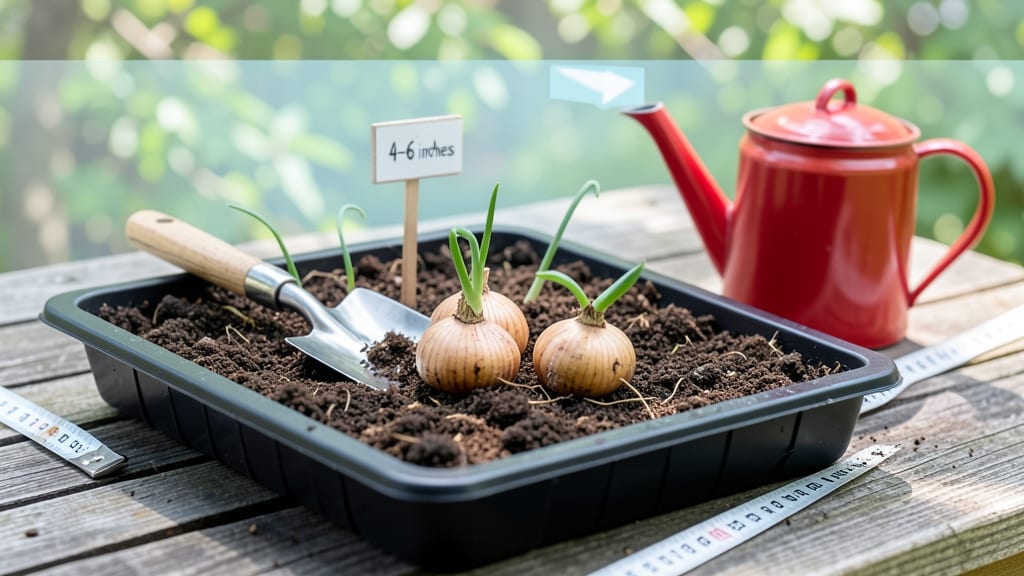
One common mistake in CT is planting gladiolus too deep or too shallow. Aim for 4-6 inches deep, with the pointy end up. In heavy clay soils common in parts of the state, add compost or sand to improve drainage.
Gladiolus corms rot quickly in soggy conditions, so well-draining soil is non-negotiable for success.
After planting, keep the soil consistently moist but not waterlogged. In CT’s often-dry summers, mulch around the base with straw or shredded leaves to retain moisture and regulate soil temperature. This is particularly important in June and July, when heat waves can stress newly planted corms.
Remember, gladiolus are summer bloomers that thrive on full sun (6+ hours daily). In CT, this means choosing a south-facing bed or a spot with minimal shade from trees or structures.
If your garden has afternoon shade, opt for early-season varieties like ‘Picasso’ or ‘Green Star’—they’ll bloom before the shade becomes too intense.
Finally, mark your calendar for late September to early October when it’s time to dig up and store your gladiolus corms. Connecticut’s first frost typically arrives around October 15, so don’t wait too long.
Cure the corms in a dry, shady spot for a week before storing them in a cool, dark place until next spring.
How to adjust planting time based on CT’s frost patterns and weather trends
Connecticut’s unpredictable frost dates and shifting weather patterns can make gladiolus planting feel like a gamble. However, with the right adjustments, you can extend your planting window or shorten risky periods to ensure those stunning summer blooms appear reliably every year.
The key lies in understanding local frost forecasts and leveraging simple tools like row covers or staggered planting.
First, check the average last frost date for your specific Connecticut region. While the state’s USDA Zone 5-6 typically sees the last frost around April 15, microclimates near water bodies or hills can delay frost by 1-2 weeks.
Use resources like the National Weather Service or local Cooperative Extension reports to pinpoint your exact window. This data helps you decide whether to plant early with protection or wait for warmer soil temperatures.
⚠️ CALLOUT WARNING: Avoid Planting Too Early in CT! ⚠️
If your frost date arrives late or you’re eager for blooms, consider staggered planting. Divide your bulbs into three groups and plant them 2-3 weeks apart. This spreads out your blooming season, ensuring continuous color from July to September. For example, plant one-third of your bulbs in mid-April, another in early May, and the last in late May. This method also minimizes the risk of losing all your plants to a late frost.
For gardeners in Zone 5 areas (like northern CT), row covers or cold frames can push your planting window back by 3-4 weeks. Use lightweight frost cloth to protect young shoots after planting in late March.
Remove the cover during the day once temperatures rise above 50°F (10°C) to prevent overheating. This technique is especially useful for early-blooming varieties like ‘Picasso’, which you’ll want to establish quickly for July color.
Conversely, if you’re in a warmer microclimate (like coastal areas in Zone 6b), you might safely plant as early as mid-March. Monitor nighttime temperatures—if they dip below 40°F (4°C), cover your newly planted bulbs with straw mulch or black plastic to insulate them.
Always prioritize well-draining soil to prevent waterlogged bulbs, which are prone to rot in CT’s clay-heavy soils.
Don’t forget to adjust your planting depth based on soil conditions. In sandy soils (common in eastern CT), plant bulbs 4 inches deep to retain moisture. In heavier clay soils (western CT), go 6 inches deep to prevent rot.
Pair this with a 2-inch layer of compost at the bottom of the hole to improve drainage and fertility. These small tweaks can make the difference between flourishing gladiolus and disappointing growth.
Finally, keep a planting journal to track your adjustments over the years. Note which varieties thrived with early planting, which needed protection, and how weather anomalies (like late frosts in May) impacted your garden.
Over time, you’ll refine your schedule to match your specific Connecticut microclimate, ensuring bold, reliable blooms every season. With these strategies, you’ll turn CT’s unpredictable weather into an advantage for your garden. 🌸