
Plants
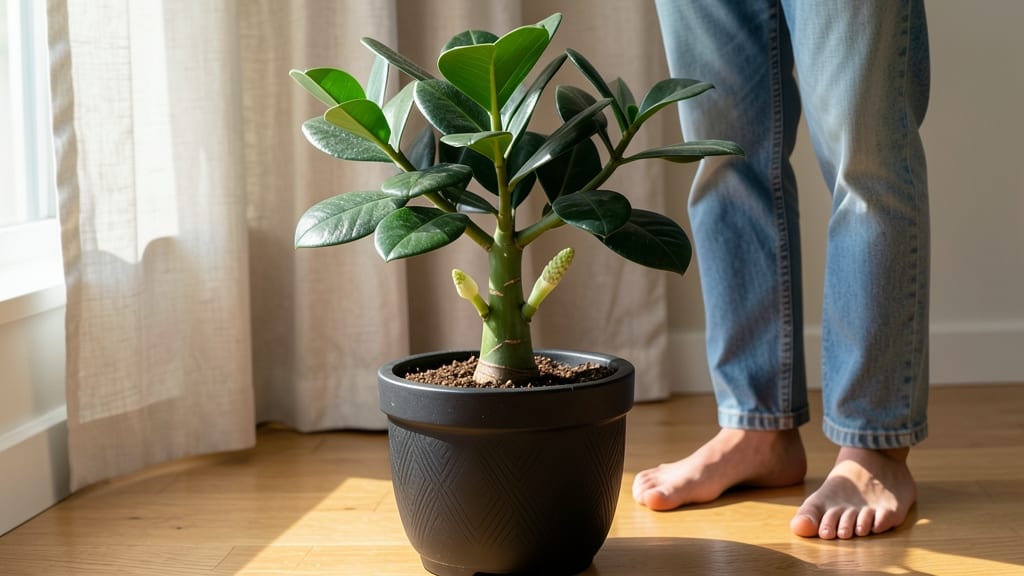
When you bring home a ZZ Plant 🌱, you might wonder how tall this plant can grow—because its hardy nature often surprises with impressive height, sometimes reaching nearly 4 feet with the right care.
Most ZZ Plants mature between 1 to 3 feet, but their growth depends on light, pot size, and how often you prune. In low light, they’ll stay compact, while brighter spots encourage taller stems.
If you’re working with limited space, I’ll show you how to keep yours at a manageable size.
Unlike fussy houseplants, ZZ Plants grow steadily year-round, making them a low-maintenance choice for beginners. Whether you’re decorating a desk or a corner shelf, understanding their growth habits helps you plan where to place them for the best results.
Ready to learn how to control your ZZ Plant’s height? I’ll walk you through pruning tips, ideal light conditions, and other tricks to keep it at your preferred size—without sacrificing its lush, glossy leaves.


ZZ plant height limits: how tall they grow indoors (with real data)
If you’ve ever wondered, "how tall does a ZZ plant grow?" you’re not alone. This popular houseplant can reach impressive heights indoors, but its growth depends heavily on care conditions.
On average, a mature ZZ plant (Zamioculcas zamiifolia) grows between 12 to 48 inches tall, though most stay within the 24 to 36-inch range with proper care. Understanding these growth patterns helps you plan your indoor garden layout.
The ZZ plant’s height isn’t fixed—it adapts to its environment. In ideal conditions with bright, indirect light and spacious pots, some varieties can even exceed 4 feet tall.
However, in low-light conditions or small containers, they often remain shorter and bushier. This flexibility makes them perfect for both small apartments and large living spaces.
Here’s a quick breakdown of what influences a ZZ plant’s height:
When comparing ZZ plants to other common houseplants, their growth habits stand out. Unlike snake plants, which grow vertically but stay closer to 2-4 feet tall, ZZ plants often surpass them with their thicker stems and glossy leaves.
Even pothos vines, which trail downward, can’t compete with the ZZ plant’s vertical presence. If you’re working with limited ceiling height, consider pruning your ZZ plant to keep it under 2 feet tall.
One of the biggest misconceptions about ZZ plants is that they grow aggressively in height. In reality, their growth is moderate and predictable. With the right care, you can control their height to fit your space perfectly.
For example, if you place your ZZ plant in a smaller pot with less light, it will focus on leaf production rather than vertical growth, staying closer to 12-18 inches tall. This adaptability is one of the reasons they’re so popular among indoor gardeners.
For those who love data, studies show that ZZ plants grown under artificial grow lights with 12-14 hours of light per day can grow up to 30% taller than those in natural low-light conditions.
However, this rapid growth often comes at the cost of weaker stems, which may require additional support. If you’re aiming for a sturdy, tall ZZ plant, a balance of natural and artificial light works best.
Another factor to consider is the ZZ plant’s growth rate. Unlike fast-growing plants like bamboo or money trees, ZZ plants grow at a steady pace of about 6-12 inches per year.
This means you won’t see dramatic changes overnight, but with patience, your plant will gradually reach its full potential. If you’re impatient, you can encourage faster growth by repotting every 1-2 years to give the roots more space to expand.
If you’re new to ZZ plant care, start by monitoring your plant’s growth closely. Take note of how it responds to its environment—does it stretch toward the light, or does it stay compact? Adjusting your care routine based on these observations will help you control its height effectively.
For instance, if your ZZ plant starts leaning toward a window, it’s a sign it needs more light to grow upright and strong.
In summary, the ZZ plant’s height is highly customizable. With the right balance of light, pot size, and pruning, you can grow a plant that fits your space perfectly—whether you want a tall statement piece or a compact desk companion.
The key is to observe your plant’s growth patterns and adjust your care routine accordingly.
How to control ZZ plant height: pruning and care tips for compact growth
Your ZZ Plant might grow taller than expected if left unchecked, especially when given ample bright indirect light and a spacious pot. To keep it at a manageable 18-24 inches, you’ll need to master a few key techniques—starting with strategic pruning.
Unlike many plants, ZZ Plants don’t need frequent trimming, but pinching back leggy stems encourages bushier growth.
Before you grab your pruning shears, know that the best time to prune is in early spring when the plant is entering its active growth phase. This timing helps redirect energy to new shoots rather than elongated stems.
I’ve found that cutting back stems to just above a leaf node (where new growth emerges) yields the best results for compact growth.
Another game-changer is repotting every 2-3 years or when roots circle the pot. A slightly smaller pot than you might think—just 1-2 inches larger in diameter—can slow vertical growth. ZZ Plants thrive in root-bound conditions, so giving them extra space too soon encourages rapid height increases.
⚠️ Common Mistake Alert: Overpruning or Wrong Light
ZZ Plants grow tallest when placed in bright indirect light but left unpruned. Moving them to low-light corners may stunt height but also reduces leaf vibrancy. Overpruning (cutting more than ⅓ of the plant at once) stresses the plant, while underpruning leads to leggy, top-heavy stems.
Solution: Aim for 1-2 pruning sessions per year and place your plant 3-5 feet from a north-facing window for balanced growth. 🌿
Light exposure is the #1 factor in controlling height. While ZZ Plants tolerate low light, they’ll stretch toward any available light source, creating long, weak stems. Rotate your plant quarter-turns every 2 weeks to ensure even growth.
If you notice stems leaning, it’s a sign they’re reaching for light—time to adjust placement or supplement with a grow light for 6-8 hours daily.
For a bushier, more compact look, try the "pinch and propagate" method. Snip off the top 4-6 inches of a leggy stem, then place it in water to root.
The parent plant will sprout new shoots from lower nodes, creating a fuller shape. I’ve propagated 3 new ZZ Plants this way from a single overgrown specimen!
Finally, avoid overwatering, which can cause weak stems prone to bending. Let the top 2 inches of soil dry out between waterings, and always use a pot with drainage holes. A happy, healthy ZZ Plant with proper care stays sturdy and compact—no towering giants here! ✂️