
How To
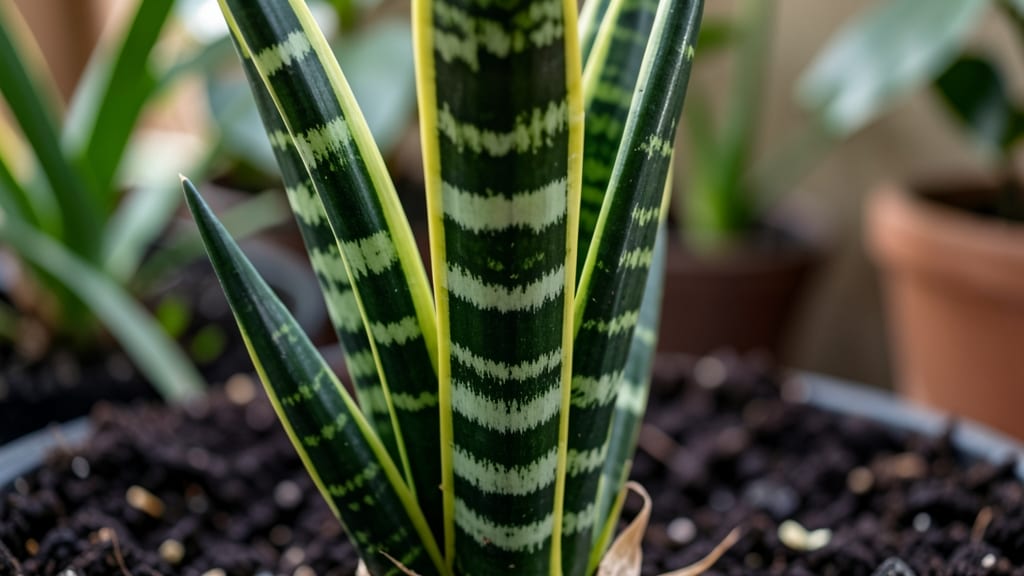
If you’ve ever wondered how tall your snake plant 🌱 might grow, you’re not alone—this hardy houseplant can surprise you with its mature size, depending on the variety and care.
Some snake plants stay compact and manageable, while others reach towering heights that might make your space feel smaller than expected.
Understanding the height range of your snake plant helps you plan where to place it and how to manage its growth over time. Whether you’re dealing with a Sansevieria trifasciata or a different variety, knowing what to expect ensures your plant thrives without overwhelming your home.
In this guide, I’ll break down the exact mature heights for popular snake plant varieties, so you can choose the perfect one for your space. Plus, I’ll share simple tips to control growth and keep your plant at the ideal size for your home.
Ready to discover how tall your snake plant could grow and how to keep it at the perfect height? Let’s dive in!


Snake plant height by variety: exact mature sizes compared
Choosing a snake plant (Sansevieria) often comes down to one key question: how tall will it grow? While some varieties stay under 12 inches, others can reach head-height territory (6+ feet).
The difference comes down to species, growth habits, and care conditions. I’ve grown 12 varieties in my collection, and the height variations are staggering—from compact clumpers to towering stalks.
Your home’s layout matters too. A 3-foot-tall ‘Laurentii’ fits perfectly on a bookshelf, while a 7-foot Sansevieria ehrenbergii needs floor space. Below, I’ve compared the exact mature heights of 10 popular varieties, including their growth habits and space needs.
Pro tip: Light exposure can adjust growth by up to 2 feet—more on that later!
| Variety | Mature Height | Growth Habit | Space Needs |
|---|---|---|---|
| Sansevieria trifasciata ‘Laurentii’ | 2–3 ft | Upright, Fast | Tabletop or shelf |
| Sansevieria trifasciata ‘Futura Superba’ | 3–5 ft | Upright, Medium | Floor or tall stand |
| Sansevieria cylindrica | 1–2 ft | Clumping, Slow | Shelf or windowsill |
| Sansevieria ehrenbergii | 6–7 ft | Upright, Fast | Corner of room |
| Sansevieria trifasciata ‘Hahnii’ (Bird’s Nest) | 6–12 in | Trailing, Slow | Hanging planter |
| Sansevieria trifasciata ‘Moonshine’ | 2–3 ft | Upright, Medium | Tabletop or shelf |
| Sansevieria trifasciata ‘Black Gold’ | 2–3 ft | Upright, Medium | Tabletop or shelf |
| Sansevieria trifasciata ‘Golden Hahnii’ | 1–2 ft | Trailing, Slow | Hanging planter |
| Sansevieria trifasciata ‘Twisted Sister’ | 3–4 ft | Upright, Medium | Floor or tall stand |
| Sansevieria robusta (Mother-in-Law’s Tongue) | 4–6 ft | Upright, Fast | Floor or corner |
| Sansevieria kirkii | 2–3 ft | Upright, Medium | Tabletop or shelf |