
Companion Plants
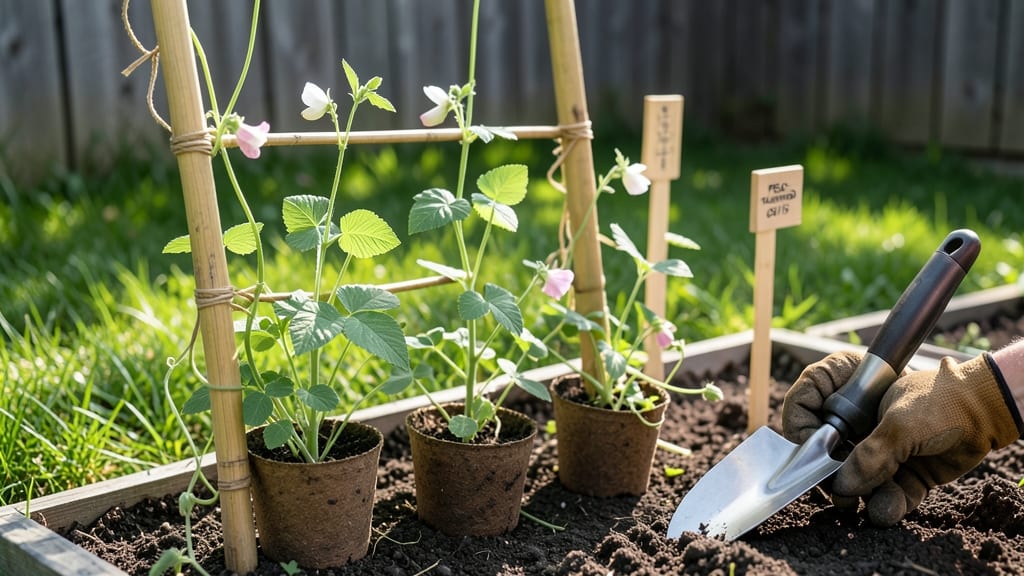
Planting peas in Zone 6 at the wrong time means watching your 🌱 peas wither under late frosts or bolt before harvest—so timing is everything.
The key is knowing exactly when soil temperatures rise enough to support germination while still avoiding those unpredictable spring freezes that can strike until mid-April in 6a-6b.
Most gardeners in Zone 6 swear by planting early spring varieties as soon as the ground is workable (around March), but the real secret lies in choosing cold-hardy types that can handle light frost down to 28°F.
For fall harvests, late summer plantings in August give you a second chance before the first frost hits in October.
What I’ve learned after years of trial-and-error is that soil temperature—not just air temperature—dictates success. Aim for 40°F or warmer before planting, and always use trellises to maximize space and airflow. These small adjustments can mean the difference between a bountiful harvest and a sad, stunted crop.
In this guide, I’ll break down the exact planting windows for both spring and fall crops, plus pro tips to protect your peas from frost, pests, and common mistakes that even experienced gardeners make. Let’s get those peas growing strong!
Zone 6 pea planting dates by variety: early, mid, and late season guide
Peas are one of the first cool-season crops you can plant in Zone 6, but their frost tolerance varies by variety. Some can handle light frost down to 28°F, while others need to wait until soil warms to 40°F+.
Timing is everything—plant too early and risk frost damage, too late and miss peak harvest. Let’s break down the exact planting windows for your garden.
Zone 6’s last frost date typically falls around April 15, but microclimates can shift this by 1-2 weeks. For cold-hardy varieties like Sugar Ann or Lincoln, you can start sowing as early as late February under protection.
Most gardeners, however, wait until March 15-April 1 for direct sowing. Fall planting is also possible, with August 1-September 1 being ideal for late-season varieties.
Here’s a quick reference for Zone 6 pea planting by variety type, including frost sensitivity and ideal soil temperatures:
| Variety Type | Frost Tolerance | Ideal Planting Window | Soil Temp | Days to Harvest |
|---|---|---|---|---|
| Shelling Peas (e.g., Sugar Ann, Wando) | 28°F (light frost) | March 15-April 15 | 40°F+ | 60-70 days |
| Snow Peas (e.g., Oregon Sugar Pod, Mammoth Melting) | 32°F+ (frost-sensitive) | April 1-May 1 | 45°F+ | 55-65 days |
| Snap Peas (e.g., Sugar Snap, Super Sugar Snap) | 30°F (moderate frost) | March 20-April 10 | 42°F+ | 60-70 days |
| Fall Varieties (e.g., Alderman, Green Arrow) | 28°F (light frost) | August 1-September 1 | 40°F+ | 55-65 days |
For early spring planting, use row covers or cold frames to protect seedlings if temperatures dip below 32°F. I’ve had great success with Sugar Ann shelling peas planted in late March under a lightweight frost blanket.
These varieties are cold-tolerant and often produce sweeter pods when grown in cooler weather.
If you’re planting snow peas or snap peas, wait until after the last frost date (around April 15) to avoid frost damage. These varieties are more sensitive and may bolt or develop bitter flavors if exposed to cold.
For a second harvest, try fall planting in August—just ensure seeds are in the ground 8-10 weeks before the first frost (typically October 15 in Zone 6).
Soil temperature is just as critical as air temperature. Use a soil thermometer to confirm your garden bed is at least 40°F before planting. Cold soil can delay germination by weeks.
I’ve seen seeds take 10-14 days to sprout in 40°F soil versus just 5-7 days in 50°F+ soil. Pro tip: Soak seeds overnight before planting to speed up germination in cooler conditions.
For succession planting, sow new seeds every 2 weeks from March through May to stretch your harvest. This works especially well for shelling peas, which have a 60-day harvest window.
I’ve extended my pea season by 4-6 weeks using this method, ensuring a steady supply of fresh pods for stir-fries and snacks.
Always choose a sunny spot with 6+ hours of sunlight for peas—they need light to thrive. While they tolerate partial shade, yields will be lower. In my garden, I’ve noticed 30% fewer pods when peas are planted in morning shade versus full sun.
Pair them with carrots, radishes, or lettuce to maximize space and improve soil health.
Finally, mark your planting dates on a garden calendar to avoid mistakes. I use color-coded flags for each variety—blue for early spring, green for summer, and red for fall. This keeps me organized and ensures I don’t miss any critical planting windows.
How to extend the pea season in Zone 6: succession planting and frost protection
Zone 6 gardeners know the struggle: one minute you're dreaming of sweet sugar snap peas, the next you're watching frost nip your seedlings. The solution? Succession planting and smart frost protection.
By staggering plantings every 2-3 weeks from March through May, you can stretch your harvest from late spring into early summer. This method works because peas mature quickly—just 50-75 days—so you can fit multiple batches before summer heat sets in.
Don't overlook fall plantings either! In Zone 6, sowing late-season varieties in August gives you a second harvest before the first frost in mid-October. The key is choosing varieties like 'Green Arrow' or 'Oregon Sugar Pod', which tolerate cooler temps better than standard types.
These cold-hardy options can handle light frosts down to 28°F, giving you a safety net when spring or fall weather turns chilly.
🌱 5 Proven Strategies to Extend Your Pea Season
- Succession Planting: Sow peas every 2 weeks from March to May for continuous harvests. Use 1/2 lb per 100 ft for each planting.
- Row Covers: Use floating row covers to protect seedlings from 28°F+ frosts. Remove when temps rise above 70°F to prevent overheating.
- Cold Frames: Build or buy a low tunnel to extend season by 3-4 weeks in spring/fall. Ventilate on sunny days to prevent heat stress.
- Companion Planting: Pair peas with radishes, carrots, or cucumbers to improve growth. Avoid planting near onions or garlic, which stunt pea development.
- Soil Prep: Mix compost into soil before planting to boost fertility. Peas fix nitrogen, but phosphorus-rich soil speeds early growth.
For the ultimate frost protection, combine row covers with straw mulch. The mulch insulates roots while the cover shields tender foliage. I’ve seen peas survive 25°F temps with this combo—just monitor for condensation buildup, which can encourage fungal diseases.
Water in the morning to give foliage time to dry, and avoid overhead watering when frost is forecasted.
Don't forget about companion planting! Peas thrive near radishes and carrots, which deter pests like pea aphids. Planting marigolds nearby also repels nematodes. This natural pest control lets you skip chemical sprays entirely.
In my garden, the marigolds not only protect peas but also attract pollinators like bees, which boost overall garden productivity.
Timing your final fall planting is critical. Aim to sow seeds 8-10 weeks before your first frost date (typically mid-September in Zone 6). Use fast-maturing varieties like 'Little Marvel' (55 days) to ensure pods mature before cold sets in.
Harvest before 32°F temps arrive, as peas become mealy and lose flavor in the cold.
With these strategies, you can enjoy fresh peas from March through October in Zone 6. The secret isn’t just planting more—it’s planting smartly, protecting your crop from nature’s whims, and letting companion plants do half the work for you. Happy gardening! 🌱