
Flowers
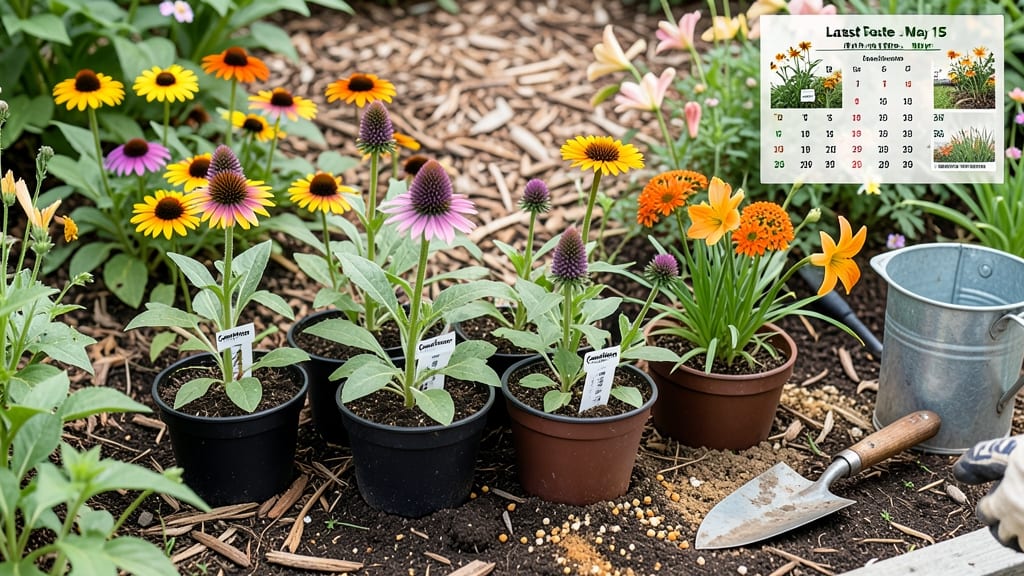
Planting flowers in Michigan at the wrong time can mean the difference between a showstopping garden and a sad, frost-nipped disappointment.
The ideal window for most varieties opens in April—but only after the last frost has passed, which can vary wildly from Detroit’s Zone 6 to the Upper Peninsula’s Zone 4.
If you’re eyeing vibrant 🌸 pansies or bold sunflowers, timing is everything. Too early, and a late frost will wipe out your progress; too late, and you’ll miss peak blooms. I’ve learned the hard way—here’s how to nail those frost-free deadlines and get your garden thriving from spring through fall.
Whether you’re a seasoned gardener or just starting, Michigan’s unpredictable weather demands a strategy. We’ll break down exactly when to plant annuals, perennials, and bulbs by zone, plus pro tips to stretch your season without risking frost damage.
Ready to transform your yard into a floral paradise? Let’s dive into the perfect planting schedule for Michigan’s unique climate—so you can enjoy blooms from April through October without the guesswork.
Michigan’s frost-free dates by Zone: when to plant flowers safely
Michigan spans USDA Hardiness Zones 4-6, meaning frost dates vary dramatically from the Upper Peninsula (Zone 4) to southern Michigan (Zone 6). Getting your flower planting timing right ensures vibrant blooms and avoids frost damage.
The key is knowing your last spring frost and first fall frost dates, which shift by 2-4 weeks across the state.
For annual flowers, wait until after the average last frost date—typically mid-April in Zone 6 but as late as early June in Zone 4. Perennials and bulbs are more forgiving; many can handle light frosts after planting.
Fall planting for hardy perennials (like mums or asters) starts as early as late August in Zone 6 but waits until September in Zone 4.
Here’s how Michigan’s three main zones break down for safe flower planting, including region-specific deadlines and planting windows for annuals, perennials, and bulbs.
| Zone & Region | Avg. Last Frost (Spring) | Avg. First Frost (Fall) | Safe Planting Window | Notes |
|---|---|---|---|---|
| Zone 4 (Upper Peninsula, Northern MI) | May 15–June 1 | September 15–October 1 |
|
|
| Zone 5 (Traverse City, Grand Rapids, Lansing) | April 20–May 10 | October 1–October 15 |
|
|
| Zone 6 (Detroit, Ann Arbor, Toledo) | April 1–April 15 | October 15–November 1 |
|
|
In Zone 4, where winters are harsher, focus on early-blooming perennials like Lavender or Russian Sage, which tolerate cooler soils. Annuals like Marigolds and Zinnias are safe to plant once soil warms to 50°F, usually by late May.
For bulbs like Tulips or Daffodils, plant in fall (September–October) to establish roots before winter.
Zone 5 gardeners enjoy a longer window for both spring and fall planting. Start cool-season annuals like Pansies or Snapdragons as early as mid-April under frost cloth. By May 1, most heat-loving annuals (e.g., Geraniums, Sunflowers) can go in the ground.
Fall planting for perennials like Black-Eyed Susans can extend until September 20.
Southern Michigan’s Zone 6 offers the most flexibility. You can plant annuals like Petunias or Vinca as early as April 15 if nights stay above 40°F. For fall blooms, sow Asters or Chrysanthemums by
Best flowers to plant in Michigan by season: timing for peak blooms
Michigan’s diverse climate—from Zone 4’s cold snaps to Zone 6’s warmer pockets—lets you enjoy blooms year-round with the right timing. Spring bulbs like tulips and daffodils should go in the ground by late October for winter dormancy, while summer annuals like petunias and marigolds crave May’s frost-free soil.
Fall perennials, such as mums and asters, thrive when planted in early September for vibrant autumn color.
Soil prep is key: Amend clay-heavy Michigan soil with compost or peat moss to improve drainage. For bulbs, dig 6–8 inches deep in well-draining spots, while annuals prefer loose, nutrient-rich beds. Mulch after planting to retain moisture and regulate temperatures—critical for Michigan’s swinging highs and lows.
| Season | Flowers | Planting Time | Soil Prep | Sun Needs |
|---|---|---|---|---|
| Spring | Tulips, Daffodils | Late October | Well-draining, 6–8" deep | Full sun |
| Summer | Petunias, Marigolds | After May 15 (frost-free) | Loose, compost-rich | Full sun to partial shade |
| Fall | Mums, Asters | Early September | Moist, fertile soil | Partial shade |
For summer annuals, wait until the soil warms to 50°F—usually after May 15 in most of Michigan. Petunias and geraniums love heat but may need afternoon shade in Detroit’s humidity. Start seeds indoors in March for early blooms, then transplant outdoors once nighttime temps stay above 55°F.
Fall-blooming perennials like black-eyed Susans and coneflowers should be planted in early September to establish roots before winter. These hardy plants tolerate Michigan’s first frost (usually mid-October) and often rebound in spring. Amend planting holes with composted manure for nutrient-rich soil—critical for second-year blooms.
Don’t overlook cool-season flowers like pansies and snapdragons, which thrive in early spring or fall. Plant them in April or September for frost-resistant color. Mulch with straw to protect roots from temperature swings—a Michigan gardener’s best friend.
Timing is everything in Michigan’s garden. By aligning your planting with local frost dates and soil conditions, you’ll enjoy peak blooms from April to October—no guessing game required. 🌷