
Planting
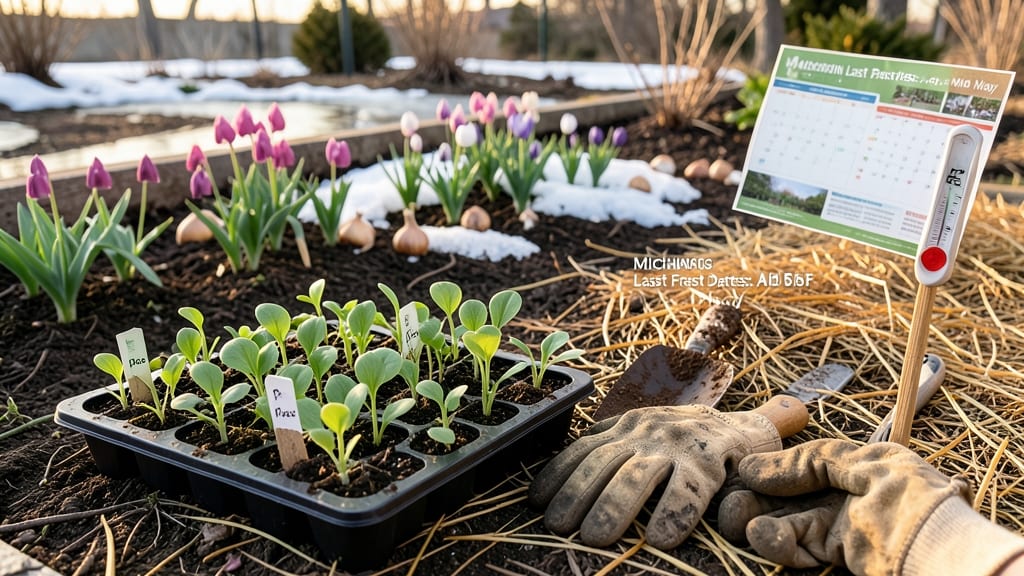
When should you plant a garden in Michigan? It isn’t just about grabbing seeds and digging in—it’s about catching that narrow window between frost and summer heat where your 🌱 thrives. Plant too soon, and a late frost will turn your seedlings into sad, crunchy snacks; wait too long, and you’ll miss peak harvests for tomatoes or zucchini.
With USDA zones 5b-6b and frost dates that can shift from mid-April to October, knowing exactly when to start your garden is the difference between a bountiful harvest and a disappointing patch.
I’ve grown gardens here for years, and the secret isn’t guesswork—it’s understanding your local frost patterns and adjusting for your specific zone.
Whether you’re dreaming of crisp spring lettuce or juicy summer tomatoes, the right planting schedule ensures your garden doesn’t just survive but flourishes.
Let’s break down the best times to plant cool-season crops in spring and warm-season favorites in fall, so you can make the most of Michigan’s 150-180 frost-free days.
From soil prep tips to container gardening hacks for shorter seasons, I’ll walk you through everything you need to know to get your garden off to the best start. Ready to dig in?
Michigan’s frost-free dates by USDA Zone: when to plant cool-season vs. warm-season crops
Michigan spans USDA Zones 4, 5, and 6, meaning frost dates vary dramatically—from late April in southern regions to mid-May in the Upper Peninsula. These differences dictate when to plant cool-season crops like spinach and warm-season crops like tomatoes.
Without precise timing, you risk losing seedlings to frost or missing harvests entirely.
For Zone 4 (northern Michigan), the last spring frost typically arrives around May 15, while Zone 6 (southern Michigan) sees its last frost by April 15. The first fall frost arrives earlier in the north (September 20) than the south (October 15).
These timelines are your garden’s calendar—plant too early, and your tomato seedlings will shiver; too late, and your lettuce bolts to seed.
Here’s your zone-specific planting guide, including ideal windows for cool-season crops (which thrive in cooler temps) and warm-season crops (which need warmth to germinate). Use this as your roadmap to avoid common mistakes like overcrowding seedlings or skipping soil prep before the first planting date.
| USDA Zone | Last Spring Frost | First Fall Frost | Cool-Season Planting Window | Warm-Season Planting Window | Example Crops |
|---|---|---|---|---|---|
| Zone 4 (Northern MI) | Mid-May (May 15) | Early October (Oct 1) | March 15 – April 30 | June 1 – July 15 | Spinach, Peas, Kale, Broccoli |
| Zone 5 (Central MI) | Early May (May 1) | Mid-October (Oct 15) | March 1 – May 10 | May 15 – July 1 | Lettuce, Radishes, Carrots, Tomatoes |
| Zone 6 (Southern MI) | Mid-April (April 15) | Late October (Oct 30) | February 15 – April 30 | April 20 – June 30 | Peppers, Cucumbers, Basil, Eggplant |
*Adjust dates by 1-2 weeks for microclimates (e.g., urban areas stay warmer).
In Zone 4, where winters are harsher, focus on direct-sowing cool-season crops like peas and spinach as early as March 15. These hardy plants tolerate light frosts and can even bolster your harvest before summer arrives.
Meanwhile, warm-season crops like tomatoes and peppers must wait until after June 1 to avoid frost damage—start these indoors in March for a head start.
For Zone 5, the sweet spot for many gardeners, you can start cool-season crops indoors in February and transplant them by April 1. This zone offers a longer window for successive plantings of lettuce and radishes, allowing you to stretch harvests into early summer.
Warm-season crops like cucumbers and squash can go in the ground by May 15, giving them time to mature before the first frost.
Gardeners in Zone 6 enjoy the longest growing season, with earlier last frosts and later first frosts. Here, you can direct-sow warm-season crops like beans and corn as early as April 20 and even extend your fall garden into October.
This zone is ideal for heat-loving plants like peppers and eggplants, which thrive with the extra warmth.
Pro tip: Use row covers or cold frames to extend your season by 2-3 weeks in cooler zones. These tools protect tender seedlings from late frosts, giving you an edge in Zone 4 and 5.
For example, you can plant tomatoes under row covers by May 1 in Zone 5, even if the frost date isn’t officially past.
Remember, these are averages, not guarantees. Always check your local Almanac or weather service for updates, as unpredictable weather can shift frost dates by weeks. For instance, a late frost in May 2023 in Zone 6 delayed planting for many gardeners—being prepared means having backup seedlings ready to go.
Start by marking your last frost date on your calendar and working backward from there. For cool-season crops, aim to plant 4-6 weeks before your last frost; for warm-season crops, wait until 2 weeks after.
This simple rule helps you avoid the most common mistake: planting too early and losing your investment to frost.
With these timelines, you’ll maximize your harvests and enjoy fresh produce from spring greens to fall squash. Happy planting—your garden’s success starts with knowing when to put those seeds in the soil!
How to adjust planting times for Michigan’s microclimates and unpredictable weather
Michigan’s weather can throw curveballs—one week might feel like spring, and the next, a late frost can wipe out your tender seedlings. The key to success? Adjusting your planting schedule based on your specific microclimate and using tools like row covers to extend your growing season.
Whether you're in Detroit’s urban heat islands, Traverse City’s cooler lakeshore, or the Upper Peninsula’s shorter season, these strategies will help you beat Mother Nature’s unpredictability.
Start by planting cold-hardy crops like spinach or peas 2-3 weeks before your average last frost date. These resilient varieties can handle light frosts and even snow cover, giving you an early harvest.
For heat-loving plants like tomatoes or peppers, wait until two weeks after your last frost—these babies need consistent warmth to thrive. But what if your neighborhood’s microclimate runs warmer or cooler than the average? That’s where local frost data and season extension tools come into play.
- 1
- 2
- 3
- 4
- 5
For container gardening, which is ideal for shorter seasons, choose compact varieties like 'Patio' tomatoes or 'Bush' beans. Containers warm up faster in spring, so you can plant 1-2 weeks earlier than in-ground gardens. Just ensure pots have drainage holes and use heat-retentive materials like fabric grow bags.
Don’t forget to track your local frost dates—tools like the Michigan State University Garden Hotline or Almanac’s Frost Calculator provide hyper-local data. I’ve used these to shift my tomato planting from late May to early June in years with unusually cold springs, saving my crop from frost damage.
With these adjustments, you’ll turn Michigan’s unpredictable weather into an advantage.
Pro tip: Keep a gardening journal to note when you plant and harvest each year. Over time, you’ll spot patterns in your microclimate that average frost dates don’t capture. Happy growing! 🌱