
Plants
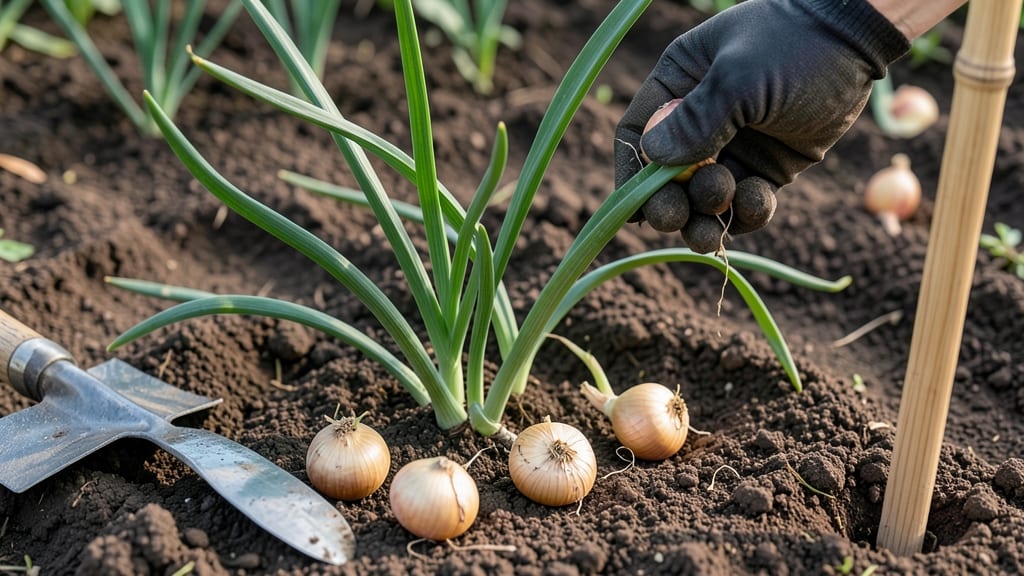
Planting onions 🧅 in Georgia at the wrong time can turn your sweet harvest into bitter disappointment—or worse, a total flop. The key to zero-bolt success lies in understanding your local frost dates and working with Georgia's unique climate patterns, not against them.
Most gardeners in 7b-8a zones know timing matters, but what you might not realize is how much a 2-week difference in planting can mean between tender bulbs and tough, flowering stalks. I've learned the hard way that spring and fall are your only true windows for success.
In this guide, I'll break down exactly when to plant—whether you're in Atlanta's cooler hills or Savannah's warmer lowlands—plus the proven varieties that thrive here without bolting. No more guesswork, just reliable results for your garden.
Ready to grow onions that taste as good as they look? Let's get started with the perfect planting schedule for your Georgia garden.
Georgia onion planting calendar: exact frost dates by region
Georgia's diverse climate means onion planting times vary dramatically from Atlanta's chilly hills to Savannah's coastal warmth. Getting the timing right prevents bitter bolting and ensures sweet, storage-friendly bulbs. Let's break down the exact frost dates and planting windows for each region.
Onions are cool-season crops that thrive when soil temperatures stay below 75°F. In Georgia's USDA Zones 7b-8a, this means planting either 6-8 weeks before last frost (spring) or 6-8 weeks before first frost (fall).
Miss these windows, and you'll end up with flowering instead of bulbing—a gardener's worst nightmare.
Here's the region-by-region breakdown you need to plan your onion harvest calendar with precision:
For North Georgia gardeners in Atlanta's Zone 7b, the window is tightest—late February to mid-March for spring planting. This region's earlier frost dates mean you can also try an early fall planting in September if you want a second harvest.
Just be prepared to cover with row fabric if temperatures dip unexpectedly.
Central Georgia's Macon area (Zone 8a) offers the most flexibility with two full planting windows. The fall planting here can extend into mid-September, giving you earlier harvests before summer heat sets in.
I've had great success with 'Texas Early White' onions planted in early September—they mature just in time for holiday meals.
If you're in South Georgia near Savannah (Zone 8a), you can push the envelope even further. The mild winters allow for January planting and August fall plantings.
This region's longer growing season means you can even try successive plantings every 2-3 weeks for a continuous harvest. Just watch for onion maggots in the warmer months.
Here's my pro tip for all regions: Plant onion sets (small bulbs) rather than seeds for faster results. Sets need only 60-90 days to mature compared to 120+ days for seeds.
For spring planting, aim to have bulbs ready to harvest before June heat causes bolting. For fall plantings, time it so harvest wraps up before first frost hits.
One common mistake I see is planting too early in spring when soil is still cold. Onions need soil temps above 50°F to germinate properly. Use a soil thermometer to check—if it's below 55°F, wait a few more weeks.
In fall, the opposite is true: plant when soil temps are still above 60°F to avoid slow starts.
For storage onions that keep through winter, focus on spring plantings and harvest before July 4th. For fresh eating only, fall plantings work beautifully. Either way, mulch heavily with straw or grass clippings to keep bulbs clean and reduce disease risk.
Remember: Onions hate heat. Any time soil temps hit 80°F+, growth slows dramatically, and bolting becomes likely. That's why fall plantings are often more reliable in Georgia—you avoid the oppressive summer heat entirely.
With these region-specific dates, you'll be well on your way to zero-bolt success and a pantry full of homegrown onions. 🧅
How to avoid onion bolting in Georgia’s heat: proven varieties and timing hacks
Georgia’s hot summers and long growing season can turn your onion crop into bitter bolts if you’re not careful.
The key to avoiding premature flowering lies in choosing the right short-day varieties and planting them at precise times. Onion bolting happens when plants sense heat stress, so timing is everything for sweet, flavorful harvests.
For Georgia gardens, the best onion varieties are short-day types like 'Candy' and 'Texas Early White', which thrive in our climate. These varieties stay bolting-resistant when planted at the right soil temperatures—typically between 50°F and 60°F.
Planting too early or too late can trigger that unwanted flowering spike.
Georgia Onion Planting Timeline
✅ DO Plant
- Late February - Early March (spring)
- September - Early October (fall)
- When soil temps hit 50°F-60°F
❌ DON'T Plant
- April or later (risk of bolting)
- When temps exceed 75°F consistently
- After mid-March for spring or early November for fall
Pro Tip: Use a soil thermometer to confirm 50°F-60°F before planting.
If you plant spring onions too early, they’ll bolt before bulbing. Aim for 4-6 weeks before your last frost date, which in Georgia is roughly mid-March. For fall planting, start 6-8 weeks before your first frost (around mid-November) to ensure bulbs mature before winter.
Another trick to prevent bolting is to mulch heavily with straw or grass clippings once plants reach 6 inches tall.
This keeps roots cool and reduces heat stress. Consistent moisture is also critical—let soil dry slightly between waterings to avoid fungal issues, but never let it bake in the sun.
For extra insurance, choose bolting-resistant varieties like 'Yellow Granex' or 'Texas Super Sweet'. These handle Georgia’s heat better than long-day onions. If you miss the ideal window, try shade cloth (30-50%) to protect plants during peak afternoon heat.
With the right varieties, timing, and soil care, you’ll enjoy sweet onions straight from your Georgia garden—no bitter surprises! 🌱