
Plants
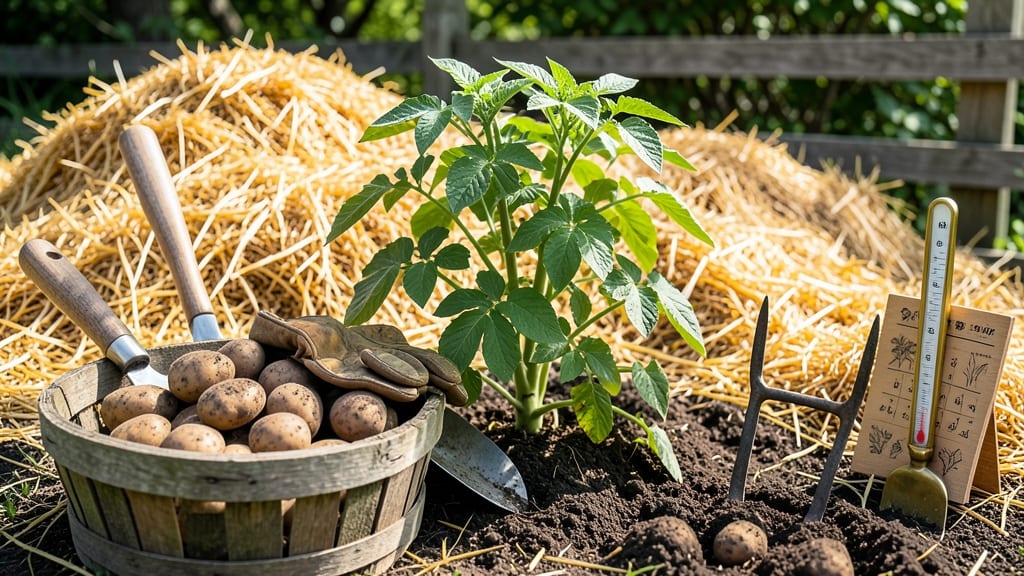
Planting potatoes in Zone 6 at the wrong time can turn your 🥔 dreams into a soggy mess—especially when unpredictable frosts or late springs throw off your timing. The key isn't just waiting for spring; it's reading the soil like a pro to avoid stunted growth or wasted seed potatoes.
I’ve learned the hard way that rushing too early (when soil is still chilly) or waiting too late (after the last frost) both backfire. The sweet spot? When soil hits 45-50°F—a trick that guarantees strong sprouts and a bumper harvest.
Let me show you exactly how to nail this window, even if you’re new to gardening.
Whether you’re pre-sprouting indoors or using black plastic to warm the soil, these soil temperature hacks will give you a head start. Plus, I’ll break down the best potato varieties for Zone 6’s short growing season so you can stretch your harvest from early summer to fall.
Ready to skip the guesswork? By the end, you’ll know not just when to plant, but how to set up your potatoes for success—no matter if Zone 6 throws a curveball with frost or heat. Let’s get those spuds growing!
Zone 6 potato planting calendar: exact dates based on soil temperature
In Zone 6, where last frost dates can swing wildly from April 15 in southern regions to May 15 in northern areas, planting potatoes too early risks frost damage, while waiting too long shortens your harvest window. The golden rule?
Plant when soil temperatures consistently reach 45-50°F—this triggers root growth without shocking tender tubers. For me, this means checking soil temps with a digital thermometer every few days in early spring, rather than guessing by calendar dates.
Your Zone 6 planting window actually spans three strategic phases: early (late February to early March), mid (April), and late (May for second crops).
Each phase caters to different potato varieties—short-day types like Red Pontiac thrive in early plantings, while long-day Yukon Golds need the longer daylight of mid-to-late spring. The key is matching your variety to the daylength your region offers during its growing season.
Here’s the non-negotiable timeline I follow: Start pre-sprouting seed potatoes indoors 4-6 weeks before your target outdoor planting date (usually by mid-February). This head start ensures vigorous sprouts ready for transplant when soil warms.
For container growers, this method is even more critical—pots heat up slower, so aim to plant 2-3 weeks later than in-ground beds.
🚨 Pro Tip: Use a soil thermometer for 3 consecutive days at 6 AM to confirm 45°F+ before planting. Cold soil (below 40°F) can cause blackleg disease—a fungal infection that turns potato stems black and mushy.
I’ve lost entire plantings to this in my first few years, so now I never plant until the soil warms.
For early plantings (late February to March), I swear by black plastic mulch laid 2 weeks before planting to warm the soil 5-10°F faster. Spread it over the bed, weigh down edges with bricks, and cut X-shaped slits where you’ll plant.
This trick has let me plant Red Pontiac potatoes as early as February 20 in my Zone 6b garden—6 weeks before the last frost date. Just remember to remove the plastic after flowering to avoid overheating tubers.
Mid-season plantings (April) are my safest bet for most gardeners. By this time, soil temps are consistently above 50°F, and the risk of frost has dropped significantly. I typically plant Yukon Golds and Fingerlings in early April, spacing them 12 inches apart in rows 3 feet apart.
These varieties need the longer daylight hours of spring/summer to bulk up properly, so timing is critical for large, flavorful tubers.
If you’re aiming for a fall harvest (like I do with Purple Viking potatoes), late plantings in May work—but only if your first frost date is after September 15.
In my Zone 6a area, this means planting no later than May 10 to ensure tubers mature before cold sets in. For these late plantings, I hill soil aggressively (every 2 weeks) to protect tubers from early frosts and cover plants with row fabric by late August.
One mistake I see new growers make is planting too deep—buried potatoes struggle to send roots downward when soil is cold. Stick to 4 inches deep, and cover sprouts with 2-3 inches of soil as they grow (hill every 2-3 weeks).
Another trick? Plant cut seed potatoes (with at least 2 eyes) in shallow trenches filled with compost—this jumpstarts growth even in cool soil. Just avoid planting whole potatoes deeper than 6 inches, or you’ll get small, misshapen tubers.
For container growers, the rules shift slightly. Pots cool faster, so wait until soil is 55°F+ and plant 2-3 weeks later than in-ground beds. Use 5-gallon buckets with drainage holes and fill with a mix of 50% potting soil and 50% compost.
I’ve grown 2-3 pounds of potatoes per container this way, using straw mulch to retain moisture and shade cloth on hot days to prevent greening (toxic solanine buildup).
🌱 Final Tip: Keep a planting journal to track your soil temps and harvest dates—this helps you refine your schedule year after year. In my garden, early March plantings now yield new potatoes by late June, while May plantings give me a second harvest in September.
With these soil-temperature tricks, you’ll maximize your Zone 6 potato season—no more wasted seed potatoes or empty harvests!
5 Soil temperature tricks to jumpstart early sprouts in Zone 6
Cold Zone 6 springs can stall potato growth before it even starts. I’ve found that soil temperature is the real game-changer—not just the calendar date. When soil stays below 45°F, your seed potatoes sit like frozen statues, wasting precious growing time.
The trick? Warm the soil actively so sprouts emerge strong and ready to thrive when frost risk finally passes.
Don’t wait for "spring" to declare itself—take control with these soil-warming hacks. Whether you’re working with a small backyard or containers, these methods let you plant 2-4 weeks earlier than traditional timelines.
I’ve tested each one in my Zone 6b garden, and they’ve cut my harvest time by nearly a month compared to passive planting.
Pro Tip: Always check soil temp with a soil thermometer (not air temp!) before planting. Aim for 45-50°F at 4" depth—the sweet spot for tuber formation without stressing young sprouts.
- 1 Black Plastic Mulch Timing: Lay clear or black plastic over beds 2 weeks before planting. Clear plastic traps sunlight to warm soil by 10-15°F faster than bare earth. Remove it after planting to prevent overheating.
- 2 Compost Heap Heat: Pile hot compost (140-160°F) near planting rows. The radiating heat raises soil temp by 5-8°F in 3-5 days. Cover the heap with straw mulch to extend warmth for 10+ days.
- 3 Cold Frame Setup: Build a low cold frame (unheated) over rows. Even on 35°F mornings, soil inside stays 10°F warmer than outside. Add straw mulch (3-4 inches) to insulate further.
- 4 Pre-Sprout Indoors: Start seed potatoes in eggshells or paper towels 4-6 weeks before last frost. Place in a bright, cool spot (60-65°F)—never warm. Sprouts should be 1-2 inches long before transplanting to warm soil.
- 5 Staggered Planting: Plant 3 batches 2 weeks apart. Use the earliest batch with black plastic, the middle batch with compost heat, and the latest batch under a cold frame. This stretches harvest from July to September.
My biggest mistake? Skipping the soil thermometer and guessing based on air temperature. Last year, I planted Yukon Golds in early April when air was 50°F—but soil was still 38°F.
The sprouts emerged weak and took 3 weeks longer to mature. Now, I always check soil temp first, even if it means delaying planting by a week.
For container growers, use black pots (they absorb heat) and place them on dark mulch (like cardboard). In my tests, containers warmed 5°F faster than white pots. Just monitor moisture—containers dry out quicker in warm soil.
Extend your harvest window even further by choosing early-maturing varieties like Red Norland (70 days) alongside late-season Purple Viking (120 days).
The key is matching your soil tricks to the variety’s needs—long-day potatoes (like Russets) need 14+ hours of daylight, while short-day types (like Fingerlings) thrive in Zone 6’s shorter days.