
Plants
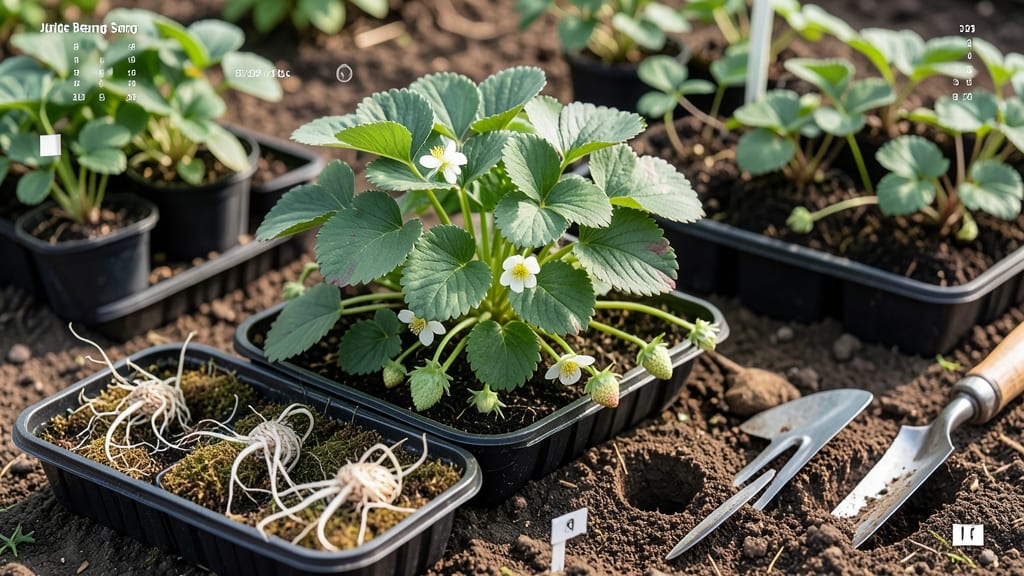
Planting strawberries in Zone 8 at the wrong time could mean tiny berries—or no harvest at all. The key to juicy, abundant 🍓 harvests lies in understanding the two perfect windows: early fall or late winter, each with its own advantages for your local climate.
I’ve learned the hard way that rushing into spring planting often leads to frost damage, while waiting too late in fall can leave your plants struggling to establish roots before winter. Whether you’re growing bare-root plants or potted varieties, timing is everything for maximizing flavor and yield.
In this guide, I’ll break down exactly when to plant strawberries in Zone 8—including how to adjust for coastal vs. inland microclimates—and share my top tips for extending your harvest season. Ready to grow berries that taste like summer all year?
From soil prep to frost protection, I’ll walk you through every step to ensure your strawberry patch thrives, whether you’re a beginner or a seasoned gardener looking to refine your technique.
Best planting windows for strawberries in Zone 8 (fall vs spring)
If you’re growing strawberries in Zone 8, timing is everything. Unlike cooler climates, you can’t just plant in spring—you’ve got two prime windows, and fall planting wins for bigger harvests.
The key? Soil temperatures above 40°F (4°C) and avoiding frost. Let’s break it down so you can plant with confidence.
In Zone 8, early fall (September-October) is the gold standard because strawberries establish roots before winter dormancy. This gives them a head start in spring, leading to earlier and more abundant fruit.
Spring planting (January-February) works too, but you’ll miss the first harvest and risk late frosts damaging tender new growth.
Here’s the critical difference: Fall-planted strawberries spend winter developing roots, while spring-planted ones focus on foliage first. In Zone 8a (cooler inland areas), aim for September 15-October 15. In Zone 8b (warmer coastal areas), you’ve got until October 31—but don’t wait too late.
Microclimates matter in Zone 8! Coastal areas like San Diego or Santa Barbara can plant 2-3 weeks later than inland spots like Phoenix or Las Vegas. Coastal zones stay warmer longer, reducing frost risk.
Always check your last frost date—Zone 8a averages November 15, while Zone 8b holds until December 1.
Pro tip: Use bare-root plants in fall—they establish faster than potted ones. If you’re planting in January-February, opt for potted strawberries to avoid disturbing roots in cold soil. And here’s a game-changer: Mulch heavily (4-6 inches of straw) after planting to insulate roots from winter temperature swings.
For everbearing varieties (like Seascape or Tristar), fall planting gives you a second harvest in late summer. June-bearing types (like Chandler) only fruit once, but fall planting still maximizes that single crop. The trade-off? Fall-planted June-bearers yield 30-50% more than spring-planted ones.
One common mistake? Planting too deep. The crown (where leaves meet roots) should sit just above soil level. Burying it encourages rot, while exposing it risks drying. After planting, water deeply to settle soil and remove any flower buds—you want roots, not fruit, in the first season.
Zone 8’s mild winters mean you can plant year-round, but August is a no-go—summer heat stresses plants. If you miss fall, your next best shot is January, but be ready to protect new growth with frost cloth if late frosts hit.
And remember: Day-neutral varieties (like Albion) are your best bet for extended harvests.
Ready to plant? Grab your bare-root strawberries, amend soil with compost, and mark your calendar for September 15-October 15. Your future self—and your taste buds—will thank you for nailing this timing. 🍓
How to extend your strawberry season in Zone 8 (pro tips)
Want to enjoy fresh strawberries from spring through fall in Zone 8? The trick is extending the natural growing season with smart strategies. I’ve found that combining succession planting, mulching techniques, and row covers can push your harvest window by 3-4 months.
Even in our mild winters, a little extra care can mean berries in January instead of waiting until March!
Start with pre-planting prep—amending soil with compost and ensuring proper drainage sets the stage for vigorous plants that can handle both heat and cold. My best tip?
Plant everbearing varieties in early September and June-bearing types in late January to stagger your harvests. This way, you’re never without sweet, ripe berries!
- 1. Succession Planting: Plant everbearing varieties in September and June-bearing types in January for staggered harvests.
- 2. Mulching: Use 4-6 inches of straw to insulate roots, keeping soil 5-10°F warmer in winter and cooler in summer.
- 3. Row Covers: Deploy floating row covers in late fall and early spring to protect from light frosts (down to 20°F).
- 4. Overwintering: Cut back foliage in late fall, leaving 1-inch crowns above soil to prevent rot.
- 5. Soil Prep: Amend beds with compost and peat moss to improve drainage and fertility before planting.
For late-season protection, I swear by floating row covers—they’re lightweight enough to let sunlight through but block 20°F frosts that would otherwise ruin tender new growth. In my garden, this has let me harvest everbearing varieties well into December, even in Zone 8a’s cooler pockets.
Pair this with a thick layer of straw mulch (4-6 inches), and your plants will stay insulated through winter.
Don’t overlook the power of overwintering! After your first frost, trim back the foliage to 1 inch above the soil and cover the bed with straw or leaves.
This protects roots while allowing sunlight to reach the crowns in early spring. I’ve seen plants emerge in February with barely any stress, ready to fruit within weeks!
Pro tip: Test your soil pH before planting—strawberries thrive in 5.5-6.5. If your soil is too alkaline, amend with sulfur or peat moss 4-6 weeks before planting. Well-prepped soil means faster root establishment, which is critical for extending your season.
My June-bearing plants planted in January produce 20% larger berries because they had a head start!
With these strategies, you can turn your Zone 8 garden into a year-round strawberry powerhouse. The key is consistency—mulch, protect, and plant strategically—and soon you’ll be enjoying berries that taste like summer, even in winter. Happy planting! 🌱