
Flowers
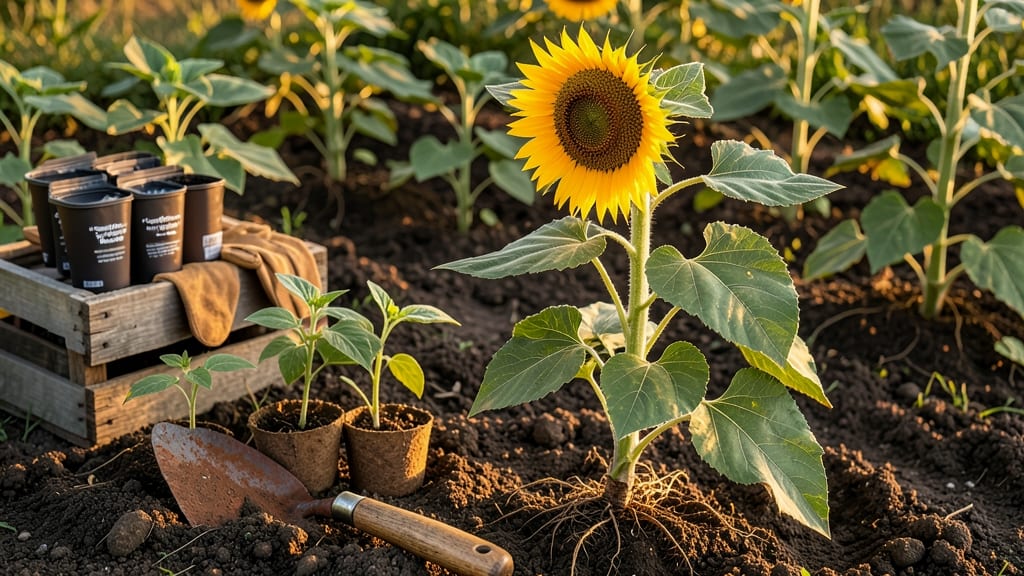
If you’ve ever planted sunflowers in Missouri only to watch them wilt before reaching their full 🌻 glory, you’re not alone—timing is everything in the Show-Me State’s unpredictable climate.
The key to towering blooms lies in knowing exactly when to plant sunflowers in Missouri, where frost dates can swing wildly from year to year and microclimates create unique challenges.
Missouri’s USDA Zones 5b-6b mean your planting window must balance early springs with late frosts, often between mid-April and mid-June. But here’s the catch: rushing too early risks frost damage, while waiting too long can leave your sunflowers struggling to mature before fall’s chill sets in.
The solution? A strategy tailored to your specific region’s frost averages and the sunflower varieties you choose.
In this guide, I’ll break down the exact planting schedule for Missouri’s most popular sunflower types, from dwarf varieties to towering giants, and share pro tips to extend your growing season.
Whether you’re a first-time gardener or a seasoned green thumb, these insights will help you avoid common pitfalls and grow sunflowers that thrive from seed to harvest.
Let’s dive into the local frost dates, variety-specific timelines, and soil prep tricks that will give your sunflowers the best shot at reaching their full potential—no matter where in Missouri you’re planting.
Missouri sunflower planting dates by USDA hardiness zones & frost averages
Missouri’s USDA Zones 5b-6a create unique challenges for sunflower growers, where average last frost dates can vary by 1-2 weeks between northern and southern regions.
In Zone 5b (northern MO), the last frost typically occurs around April 15, while Zone 6a (southern MO) sees frost-free conditions by April 1. These differences mean your planting window must be adjusted based on your specific location within the state.
Sunflowers thrive in Missouri’s warm summers, but they need 90-120 frost-free days to reach maturity. Most varieties require 70-100 days from seed to harvest, making timing critical.
Planting too early risks frost damage to young seedlings, while late planting may leave your sunflowers struggling before the first fall frost hits in mid-October.
Here’s the exact planting schedule broken down by Missouri’s USDA Zones, including optimal windows for early, mid, and late-season varieties:
For Zone 5b gardeners, the sweet spot is early May planting, giving sunflowers enough time to mature before the first frost in mid-October.
In Zone 6a, you can start as early as mid-April for early varieties, but always monitor local forecasts—late frosts can still occur in March or early April.
Missouri State University Extension recommends using row covers if planting early in Zone 5b to protect seedlings from unexpected late frosts. These lightweight fabrics raise soil temperatures by 5-10°F and can extend your planting window by 2-3 weeks when used properly.
If you’re growing tall varieties like Russian Giant or Mammoth, aim for mid-May planting to ensure they reach maturity before fall frosts. These giants need 100+ days to reach their full height, so timing is everything.
For dwarf varieties (under 3 feet), you have more flexibility and can plant as late as early June.
Don’t forget about fall planting for late-season blooms! While Missouri’s short growing season limits options, dwarf varieties like Teddy Bear can be sown in mid-July for fall color. Just be prepared to harvest before the first hard frost, usually by October 15.
To check your exact frost dates, consult the Missouri Climate Center or use a frost calendar from your local extension office. These resources provide hyper-local data that can shift your planting window by 1-2 weeks depending on your specific county.
Pro tip: Plant a test row of fast-growing varieties (like Autumn Beauty) 2 weeks before your target date. If they survive without frost damage, your main planting is safe to proceed.
Best sunflower varieties for Missouri’s climate & their ideal planting times
Missouri’s diverse sunflower varieties thrive best when planted at the right time to match their growth cycles. The state’s USDA Zones 5b-6b and variable frost dates mean you’ll need to strategize based on whether you’re growing dwarf varieties for containers or giant sunflowers for cut flowers.
For example, the Russian Giant needs a longer growing season, while Teddy Bear sunflowers mature faster and can handle slightly later plantings.
Timing your planting is critical—most sunflower varieties need 70-120 days to reach maturity before Missouri’s average first frost in mid-October. This means if you plant in late May, you risk stunted growth, while planting too early (before mid-April) exposes seedlings to frost.
The key is aligning your variety’s days to maturity with your local frost-free window.
| Variety | Height | Days to Maturity | Best Planting Time | Missouri Adaptability |
|---|---|---|---|---|
| Mammoth | 10-14 ft | 90-120 days | Mid-April to early May | Needs early start; best in southern Missouri |
| Russian Giant | 12-16 ft | 100-120 days | Late April to early May | Requires longest season; risky in northern Missouri |
| Teddy Bear | 3-5 ft | 50-60 days | Mid-April to late June | Most adaptable; great for containers |
| Autumn Beauty | 5-6 ft | 70-80 days | Late April to mid-May | Color-changing blooms; ideal for cut flowers |
| Dwarf Sunspot | 1-2 ft | 50-60 days | April to June | Perfect for small spaces; late plantings work |
For northern Missouri (e.g., St. Louis, Columbia), aim to plant Mammoth or Autumn Beauty by mid-April to ensure they mature before frost. In southern Missouri (e.g., Springfield, Joplin), you can push plantings slightly later—even into early June for shorter varieties like Teddy Bear.
Always check your local frost-free date and count backward from the variety’s days to maturity.
Missouri’s