
Plants
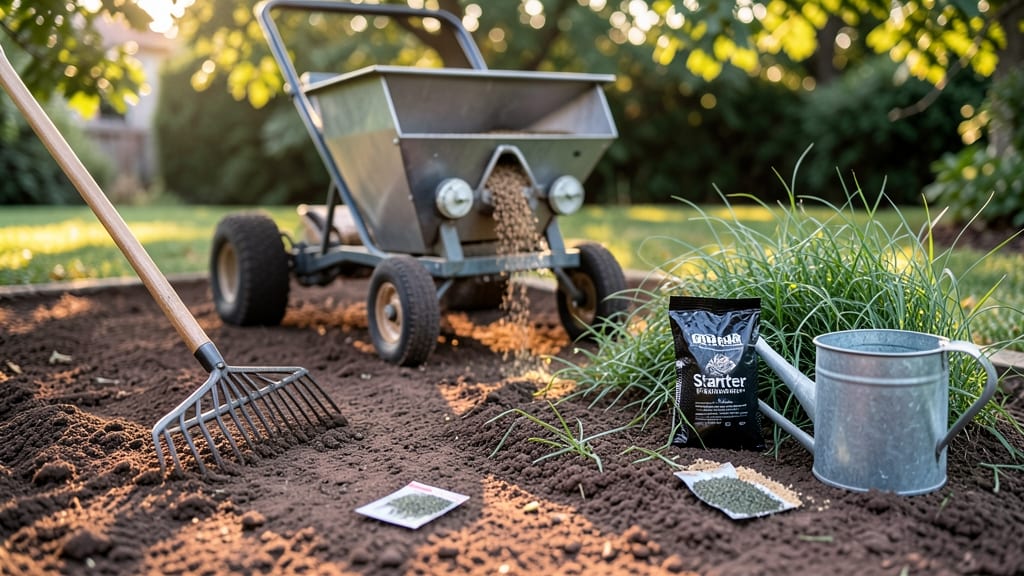
Planting your 🌱 Grass (Turfgrass) seed in Massachusetts at the wrong time can turn your dream of a lush lawn into a frustrating patchwork of thin spots and slow growth.
The secret to a thick, vibrant lawn lies in timing—specifically, those narrow windows in early spring or early fall when conditions are just right for cool-season grasses like Kentucky bluegrass and fescue to take root.
In USDA Zones 5b-7a, where Massachusetts falls, the best times to plant are 4-6 weeks after the last frost (typically mid-April) or 4-6 weeks before the first frost (usually late September).
These periods give your grass seed the ideal balance of warm soil and cool air to germinate without competing with weeds or struggling through extreme heat or cold.
Why does timing matter so much? Because soil temperature and moisture levels play a huge role in how quickly your grass establishes. Plant too early, and frost or drought can stunt growth; too late, and your lawn might never fill in as densely as it should.
Let’s break down the exact steps to get it right the first time.
Whether you’re starting from scratch or overseeding an existing lawn, this guide will help you avoid common mistakes and give your 🌱 Grass (Turfgrass) the best possible start. Ready to transform your yard into the envy of the neighborhood? Let’s dive into the details.
Ideal Massachusetts grass seed planting times: spring vs fall comparison
If you're dreaming of a thick, vibrant lawn in Massachusetts, timing your grass seed planting correctly is non-negotiable. The New England climate demands precision—plant too early or late, and you risk frost damage, weed competition, or slow establishment.
For cool-season grasses like Kentucky bluegrass and tall fescue, the difference between spring and fall planting can mean the difference between success and frustration.
Most Massachusetts gardeners swear by early fall as the gold standard, but spring planting has its place too—especially in coastal regions with milder winters. The key lies in understanding soil temperatures, frost dates, and how regional microclimates (like Boston vs. the Berkshires) shift the ideal window.
Let’s break down the science behind these two planting seasons so you can make the best choice for your lawn.
🌱 Pro Tip: Use the 60°F soil temperature rule as your planting trigger—this is the magic number where seeds germinate fastest without stress. In Massachusetts, this typically aligns with late April to early May in spring and mid-September to early October in fall.
| Planting Window | Ideal Months | Soil Temp Range | Frost Risk | Success Rate | Best For |
|---|---|---|---|---|---|
| Spring | Late April–Early May | 55–70°F | Low (post-last frost) | 85% | Coastal MA, early bloomers |
| Early Fall | Mid-Sept–Early Oct | 60–75°F | Moderate (4–6 weeks before frost) | 92% | Inland MA, established lawns |
| Late Fall | November | Below 50°F | High | 30% | Risky—avoid |
| Summer | June–August | Above 75°F | None | 40% | Stressful—weeds dominate |
Spring planting in Massachusetts kicks off 4–6 weeks after the last frost date, which typically lands in late April to early May. This window gives seeds time to germinate before summer heat sets in.
However, coastal areas like Cape Cod or Provincetown can plant as early as mid-March thanks to milder winters. Inland regions like the Berkshires or Pioneer Valley should wait until late April to avoid late frosts.
🌡️ Key Stat: Soil temperatures in Western MA can lag behind coastal areas by 1–2 weeks—always check before planting. Use a soil thermometer ($10 at garden centers) to confirm 55–70°F for spring or 60–75°F for fall.
Fall planting, often called the sweet spot for Massachusetts lawns, begins 4–6 weeks before the
Critical factors that determine the best planting month for your MA lawn
Timing your grass seed planting in Massachusetts isn't just about picking a month—it's about understanding your soil temperature, frost risk, and local climate patterns.
The 60°F soil rule is your golden trigger: plant when the top 2-3 inches of soil consistently hit this mark, usually in early spring or early fall.
Coastal areas like Boston often have milder microclimates, allowing for earlier spring planting (late March), while inland regions like Worcester may need to wait until mid-April to avoid late frosts. Urban heat islands can also push soil temperatures up faster than rural areas.
| Factor | Massachusetts Ideal Range | Urban vs Rural Note |
|---|---|---|
| Soil Temperature | 55-65°F (plant when ≥60°F) | Urban areas warm 3-5°F faster |
| Rainfall | 1-1.5 inches/week | Coastal gets 10% more rain |
| Frost Risk | Last frost: April 15 (varies) | Valley regions frost later |
| Planting Window | 4-6 weeks before/after frost | Fall window closes Oct 15 |
Don't ignore rainfall patterns—Massachusetts averages 40-50 inches annually, but droughts can hit during summer. September-October often provides the perfect balance of moderate rain and cool temperatures for fall planting, while spring's unpredictable showers require careful monitoring.
Your local microclimate plays a huge role: urban areas with concrete and buildings can have soil temperatures 5-10°F warmer than rural fields. Use a soil thermometer ($10 at garden centers) to verify temperatures before planting—this simple tool prevents costly mistakes.
For cool-season grasses like Kentucky bluegrass, aim for September planting when days shorten but soil stays warm. Warm-season grasses (like Bermuda) should wait until late May when soil exceeds 70°F, but these are rare in northern MA.
Pro tip: Check the USDA Plant Hardiness Zone Map for your specific location (MA ranges from Zone 5b to 7a). Zone 6+ areas can plant 2 weeks earlier than Zone 5. Always plant 4-6 weeks before the first frost date for your area.