
Plants
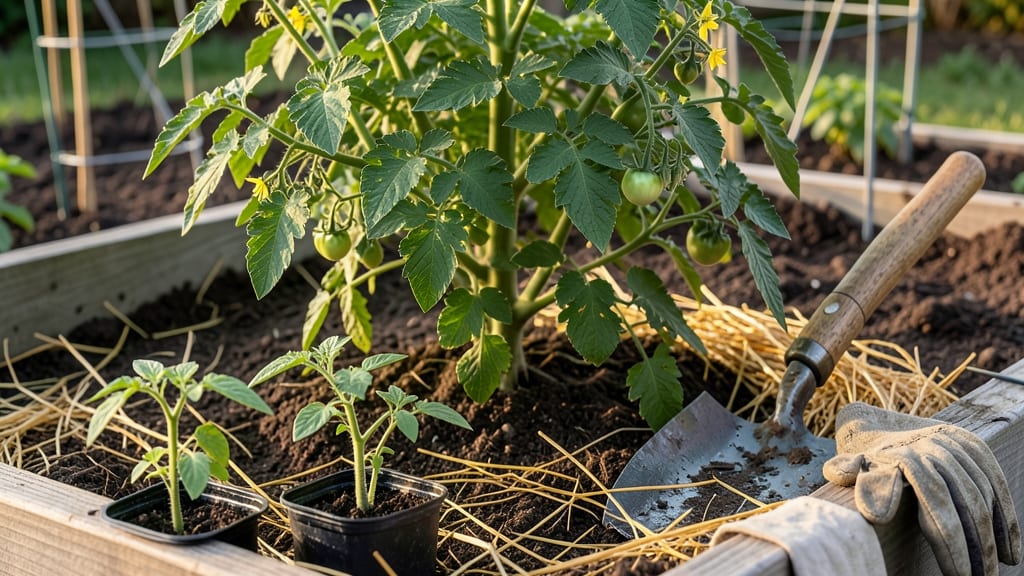
Planting your 🍅 tomatoes at the wrong time in North Carolina could mean the difference between a bumper crop and wasted effort.
The best time to plant tomatoes depends on your region's last frost date—get it wrong, and you risk stunted growth or frost damage, no matter how much care you put in.
With North Carolina's varied climate zones—from the Coastal Plain to the Mountains—your planting window can shift by weeks depending on where you live. I'll break down the exact science-backed timeline for each region, including soil temperature secrets most gardeners overlook.
Whether you're starting seeds indoors or transplanting seedlings, knowing the precise weeks before your last frost is critical. You'll discover how to adjust for microclimates, choose the right varieties, and even extend your growing season for a longer harvest.
Let's dive into the exact planting schedule tailored to your corner of North Carolina—so you can enjoy homegrown tomatoes from June through October without a hitch.
North Carolina tomato planting calendar: exact weeks before last frost by region
North Carolina’s four distinct climate zones create wildly different tomato planting windows—from Coastal Plain to Mountain regions. The key? Timing transplants when soil hits 55°F+ and frost risk drops below 10%.
I’ll break down each zone’s exact weeks before last frost, plus soil temp secrets to avoid stunted growth.
Most gardeners miss that Coastal NC can plant 3-4 weeks earlier than the Mountains. That’s because coastal areas warm faster, while higher elevations linger near frost until May 15.
Let’s dive into the precise windows for both direct-sown seeds and transplanted seedlings—plus how to extend your season if needed.
⚠️ Critical Note: Tomatoes won’t thrive in cold soil. Use a soil thermometer—wait until temps hit 60°F+ before planting. Black plastic mulch can add 5-10°F to soil warmth, giving you a 2-week head start in cooler zones.
For Coastal NC, you can start seeds as early as January 15 for transplanting in February. Meanwhile, Mountain gardeners should wait until March 15 to start seeds indoors. The Piedmont sits in the middle, with a February 15 seed-starting window.
If you’re direct-sowing (planting seeds straight into the ground), coastal gardeners have until April 15, while mountain regions must rush before June 1. Direct-sown tomatoes take longer to mature, so transplanting seedlings is the smarter choice for cooler zones.
Here’s my hard-won advice for transplanting: Harden off seedlings for 7-10 days before moving them outside. Use shade cloth the first few days to prevent shock. And never transplant when rain is forecast—wet soil compacts and stresses roots.
For late-season extensions, try cold frames or row covers. I’ve kept tomatoes producing until November 1 in the Piedmont by using black plastic mulch and a mini greenhouse. Just watch for blossom-end rot—calcium deficiencies spike in cooler weather.
One mistake I see often? Planting too late in June or July. Tomatoes need 70-90 days to mature, so late starts mean small, underripe fruit before frost. Stick to the April-May window for best results.
Need a quick reference? Bookmark these dates:
- Coastal: Plant by March 15
- Piedmont: Plant by April 1
- Mountains: Plant by May 15
Use a frost calendar (like NC State’s) to fine-tune for your exact location.
Ready
5 Critical factors that determine your tomato planting success in NC
North Carolina’s diverse microclimates mean frost dates alone won’t guarantee tomato success. I’ve learned the hard way—skipping soil prep or ignoring heat tolerance can turn your $5 seedlings into sad, stunted plants.
The key? Understanding 5 game-changing factors beyond the calendar. Let’s break them down so you can plant with confidence, whether you’re in the Coastal Plain or the Mountains.
First, soil pH is non-negotiable. Tomatoes thrive in 6.0-6.8 pH, but NC’s native soils often run acidic.
I test mine every spring—if it’s below 6.0, I mix in pelletized lime 2-3 months before planting. Black plastic mulch can also help by warming soil faster, but only if your pH is right.
Urban gardeners often face compacted soil, so I add composted manure to loosen it up before transplanting.
Next, heat tolerance determines your variety choices. Early-season planters in the Mountains need cold-hardy types like ‘Mountain Merit’ (65 days to maturity), while Piedmont gardeners should opt for heat-tolerant ‘Celebrity’ or ‘Solar Fire.’ I always check the days-to-maturity label and match it to my last frost date.
Pro tip: Cold frames can extend your season by 2-3 weeks in cooler zones, but they require careful monitoring to avoid overheating.
-
1. Soil pH (6.0-6.8)
Test and amend with lime or sulfur. Acidic soil stunts roots. -
2. Heat-tolerant varieties
Match days-to-maturity to your region’s frost window. Piedmont needs heat lovers; Mountains need early types. -
3. Microclimate adjustments
Urban areas stay 5-10°F warmer than rural zones. Use shade cloth in summer if needed. -
4. Black plastic mulch
Warms soil 5-10°F faster but requires 1-2 inches of compost underneath to prevent root burn. -
5. Cold frame timing
Install frames 2-3 weeks before last frost for early starts. Remove by mid-June to avoid overheating.
Don’t overlook microclimates—they’re the silent yield-killers. My urban Raleigh garden runs 5°F warmer than my rural farm, so I plant heat-sensitive varieties like ‘Brandywine’ later in the season.
Rural gardeners, meanwhile, can push late-season plantings in August for fall harvests. I’ve had success with ‘Better Boy’ planted in early June, yielding until October’s first frost.
For black plastic mulch, timing is everything. Lay it down 2-3 weeks before planting to warm the soil, but remove it by late July to prevent soil overheating. I always add 1-2 inches of compost underneath to improve drainage and fertility.
If you’re using cold frames, start them in early April for early varieties, but monitor temperatures closely—tomatoes hate above 90°F for extended periods.
Finally, here’s my pre-planting checklist to avoid common mistakes: ☑️ Test soil pH (aim for 6.0-6.8) ☑️ Choose varieties matched to your region’s heat ☑️ Amend soil with compost (2-3 inches) ☑️ Warm soil with black plastic or cold frames ☑️ Hardening off seedlings for 7-10 days before transplanting Follow these steps, and you’ll beat the odds—even in NC’s unpredictable climate.