
Plants
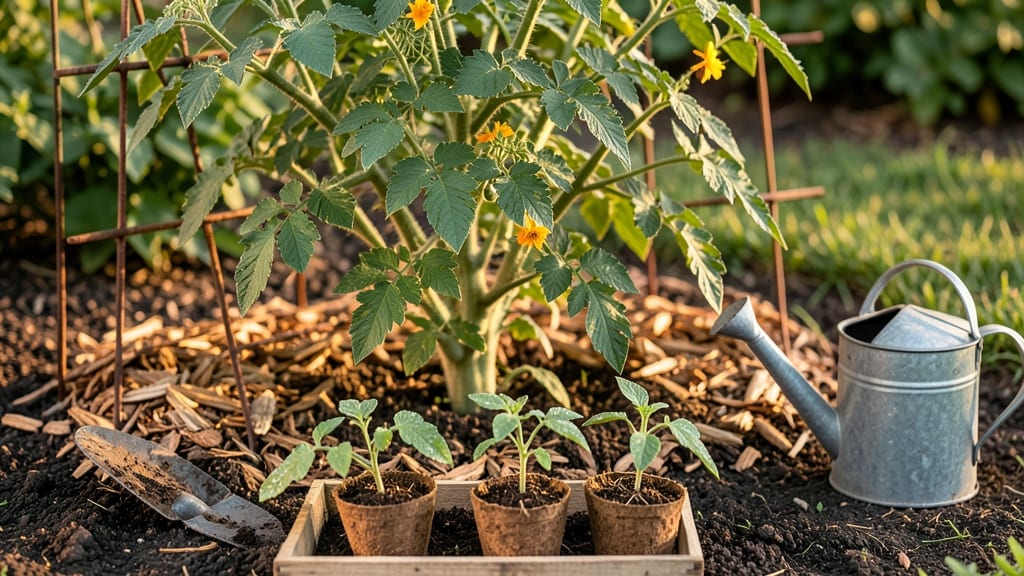
When is the best time to plant tomatoes in Texas? It isn’t just about the calendar—it’s about catching that sweet spot when the soil warms up just right to trigger fast germination and strong growth. Too early, and your seedlings may face frost; too late, and the brutal Texas sun can stress young plants before they even take hold.
I've learned the hard way that timing is everything, especially in USDA zones 8a-10b, where North Texas gardeners wait until late February or early April, while South Texas growers can start as early as January.
The key? Waiting until soil temperatures hit at least 60°F—that's when your tomatoes will really take off.
In this guide, I'll break down the exact planting windows for your region, plus proven tricks to extend your growing season—whether you're dealing with erratic North Texas springs or scorching South Texas summers. No more guesswork, just juicy, homegrown tomatoes all season long.
Ready to master the perfect moment to plant? Let's dive into the soil temperature secrets that'll have your 🍅 plants thriving from the first day.
Texas tomato planting calendar: soil temperature rules for fast germination
Timing your tomato planting in Texas isn’t just about avoiding frost—it’s about soil temperature. Seeds need 50°F+ soil to germinate, while transplants thrive at 60°F+. North Texas gardeners face late frosts until mid-March, while South Texas can start as early as January.
The key? Match your tomato varieties to your region’s heat tolerance thresholds.
Texas spans USDA zones 8a–10b, creating dramatic differences in planting windows. For example, Roma tomatoes (heat-tolerant) can handle 90°F+ days, while Beefsteak varieties may struggle without afternoon shade in South Texas summers. Cherry tomatoes often bridge the gap, thriving in both cool springs and hot summers.
Here’s your Texas tomato planting calendar broken down by region, with soil temperature triggers and frost-free dates to guide your schedule:
| Region | Last Frost Date | Ideal Planting Window | Soil Temp for Seeds (°F) | Soil Temp for Transplants (°F) | Best Varieties |
|---|---|---|---|---|---|
| North Texas (Zones 8a-8b) | March 15 | Late February–Early April | 50–55°F | 60–65°F | Early Girl, Better Boy, Celebrity |
| Central Texas (Zones 8b-9a) | February 15 | January–March | 55–60°F | 65–70°F | Roma, San Marzano, Jetstar |
| South Texas (Zones 9a-10b) | January 15 | December–February | 60–65°F | 70–75°F | Heatmaster, Solar Fire, Sun Gold |
If you’re planting tomato seeds directly in the ground, aim for soil temperatures above 50°F. Use a soil thermometer to check—dig 2 inches deep in full sun.
For transplants, wait until the soil hits 60°F+ to avoid stunted growth. In North Texas, this often means waiting until mid-April for safety.
For South Texas gardeners, the challenge isn’t frost—it’s scorching heat. Plant heat-tolerant varieties like ‘Heatmaster’ or ‘Solar Fire’ and use shade cloth during peak summer months. Even then, focus on early morning planting to reduce transplant shock.
Pro tip: Use black plastic mulch to warm soil faster in cooler zones. It can raise soil temperatures by 5–10°F, helping seeds germinate 2–3 weeks earlier. Just remove it once plants are established to prevent overheating.
Don’t forget about succession planting! In Texas, you can often squeeze in two tomato crops: one in spring and another in late summer (after the first heat wave). Choose fast-maturing varieties like ‘Early Girl’ (55 days) for your second planting to avoid first frost in North Texas.
Monitor your tomato plants’ stress signals: wilting leaves, blossom drop, or slow growth often mean it’s too hot or too dry. Adjust with drip irrigation and afternoon shade as needed. With the right soil temperature and variety, your Texas tomatoes can thrive from spring to fall.
🌱
How to extend your Texas tomato season: cold frames, row covers, and heat-tolerant varieties
If you're tired of missing out on tomatoes because of Texas' unpredictable weather, extending your growing season is the answer.
I've found that using cold frames and row covers can push your planting window by 4-6 weeks, while heat-resistant varieties like 'Heatmaster' or 'Solar Fire' keep producing even when temperatures hit 95°F+.
These methods are game-changers for gardeners in USDA zones 8a-10b, where summers are long but winters can still bring unexpected chills.
For early starts, cold frames create a microclimate that warms up faster than open soil. They’re especially useful in North Texas, where frost can linger until mid-March. Meanwhile, row covers act as a protective shield against late frosts, allowing you to plant transplants 2-3 weeks earlier without risk.
Together, these tools let you enjoy tomatoes from early spring through late fall—even in the hottest parts of the state.
Extending Your Texas Tomato Season: Pros and Cons
Cold Frames
- Pros: Extends season by 4-6 weeks, warms soil faster, protects seedlings from frost
- Cons: Requires upfront cost (~$50-$150), needs ventilation to prevent overheating
Row Covers
- Pros: Affordable (~$10-$30), easy to install, protects from pests and light frosts
- Cons: Reduces airflow slightly, must be removed during flowering/fruiting
Heat-Tolerant Varieties
- Pros: Thrives in 90°F+ heat, disease-resistant, consistent production
- Cons: Limited flavor compared to heirlooms, may require staking
Cost-Benefit Tip: Pair row covers with heat-tolerant varieties for the best results—start with 'Heatmaster' (disease-resistant) and 'Solar Fire' (high-yield) for a foolproof combo.
My favorite heat-tolerant varieties for Texas gardens are 'Heatmaster' and 'Solar Fire'—both handle 100°F+ temperatures like champs. These aren’t just survivors; they produce heavy yields even when other tomatoes wilt.
For early starts, I’ve had success with 'Celebrity' tomatoes under cold frames, which germinate reliably at 55°F soil temps and mature quickly.
To maximize your harvest, combine these strategies: Use cold frames for early spring seedlings, switch to row covers as frost dates approach, and plant heat-resistant varieties in late spring.
This layered approach ensures tomatoes from March through October, no matter where you garden in Texas. Just remember to remove row covers during flowering to prevent heat buildup.
One pro tip I’ve learned? Mulch heavily with straw or black plastic to regulate soil temps. This keeps roots cool in summer and warm in spring, giving your tomatoes the perfect environment year-round.
With these tricks, you’ll be feasting on homegrown tomatoes long after your neighbors’ plants have given up—and that’s a Texas gardener’s dream.
Ready to put these methods to work? Start small with a single cold frame or row cover, then expand as you see results. Your future self (and your taste buds) will thank you.