
Planting
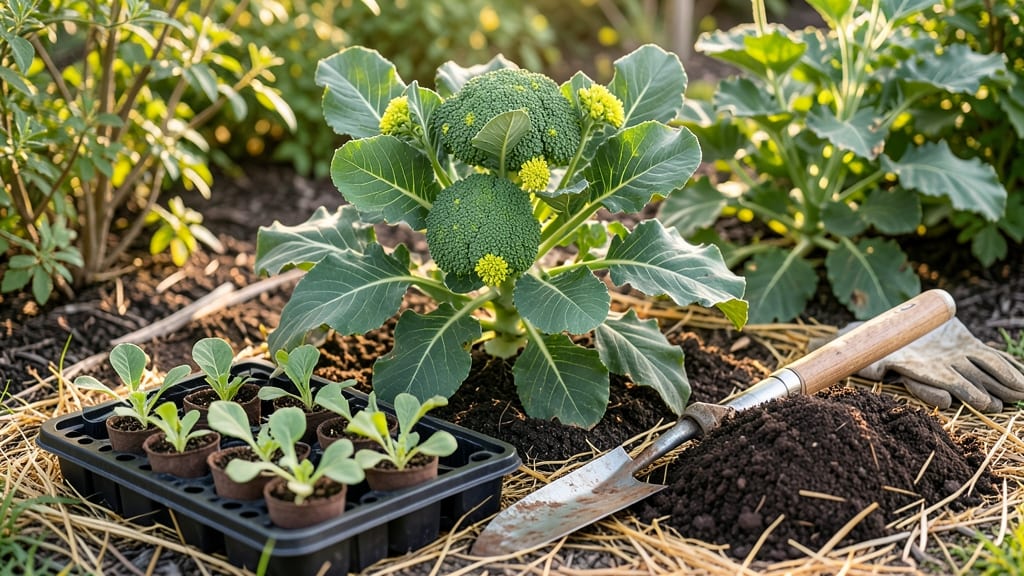
Mastering when to plant a fall garden in South Texas isn’t just about dodging frost—it’s about outsmarting the late-summer heat that can send your seedlings bolting faster than a jackrabbit.
Plant too early, and you’ll be chasing shade like a sunburnt tourist; too late, and your hard work freezes before harvest. The key? Knowing exactly when to put those seeds in the ground so your 🥬 thrives between August’s scorcher and December’s rare chill.
I’ve spent years watching South Texas gardens struggle with this balance, and the difference between a bountiful harvest and a sad pile of wilted greens often comes down to those critical weeks.
Whether you’re a first-time gardener or a seasoned pro, mastering the 9a-10a zone planting window will transform your fall garden from hit-or-miss to consistently delicious. Let me show you the precise dates—and the smart tricks—that make all the difference.
We’re talking about crops that can handle the heat but won’t bolt before October’s cooler air arrives. The secret? Starting heat-tolerant varieties like okra and sweet potatoes early, while saving your kale and carrots for September’s gentler temperatures.
I’ll walk you through the exact calendar, plus how to stretch your growing season with shade cloth and soil hacks that actually work in our unpredictable climate.
Skip the guesswork and plant with confidence. By the end, you’ll know not just when to plant, but how to protect your garden from South Texas’ worst enemies—bolting, pests, and that sneaky first frost.
Ready to turn your backyard into a fall harvest goldmine? Let’s get those seeds in the ground the right way.
Exact planting dates for fall vegetables in South Texas heat zone 9B
South Texas gardeners face a unique challenge: the scorching summer sun and the early winter chill both threaten your fall harvest. In Heat Zone 9B, where summer temperatures linger into September, timing your fall vegetable planting correctly means the difference between a bountiful harvest and wasted effort.
The key is understanding which crops thrive in late-summer heat versus those that need cool-season conditions.
For heat-tolerant crops like okra and sweet potatoes, you can start as early as mid-August, while cool-season vegetables such as broccoli and kale should wait until early September or later.
Missing these windows risks bolting (premature flowering) or frost damage before harvest. Let’s break down the exact month-by-month planting schedule to maximize your yield.
In August, focus on heat-loving crops like okra and sweet potatoes, which can handle the 90°F+ temperatures common in South Texas. Plant these directly in the soil after the last 100°F+ heatwave has passed, typically around mid-August.
For seedlings, use shade cloth (30-50%) to protect them from intense afternoon sun. Mulch heavily with straw or wood chips to keep roots cool and retain moisture.
By early September, temperatures begin to drop, making it safe to introduce cool-season crops. This is the ideal time to plant broccoli, kale, and carrots, which prefer 60-75°F soil temperatures. Start seeds indoors or in a cool greenhouse 4-6 weeks before transplanting.
For direct sowing, wait until soil temps fall below 85°F to prevent bolting. Use drip irrigation to keep leaves dry and reduce disease risk.
October is your last chance to plant many cool-season crops, but act quickly. By mid-October, nights grow cooler, and frost becomes a real threat in northern South Texas.
Prioritize fast-maturing varieties (e.g., 'Early Wonder' broccoli or 'Cherry Belle' radishes) and use row covers to extend the season by 2-3 weeks. Avoid planting slow-growing crops like cauliflower after October 15, as they won’t mature before frost.
If you’re tempted to push your luck into November, stick to ultra-fast crops like radishes or turnip greens, which can mature in 30-40 days. For everything else, consider succession planting in protected microclimates, such as near south-facing walls or under hoop houses.
These areas can add 5-10°F of warmth, delaying frost damage and extending your harvest window.
Remember, the first frost date in South Texas typically falls around December 1, but it can vary by 1-2 weeks depending on the year. To calculate your last safe planting date, subtract the crop’s days to maturity from the frost date.
For example, if your broccoli takes 60 days to harvest, plant by October 15 to ensure a timely harvest before frost.
Pro tip
How to extend your South Texas fall garden season without risking bolting
Extending your South Texas fall garden without triggering bolting starts with understanding how to manipulate soil temperatures and microclimates in our unique Heat Zone 9B. The key is creating conditions where your plants mature before the first frost (typically around December 1) while avoiding the late-summer heat that causes rapid bolting.
I’ve learned that urban areas like San Antonio can be 5-10°F warmer than rural areas just 20 miles away—so your planting strategy should adapt accordingly.
One of my biggest mistakes was planting cool-season crops like broccoli too early in August, only to watch them bolt before October’s cooler air arrived. The solution? Use shade cloth and succession planting to stagger your harvests.
For example, start heat-tolerant crops like okra and sweet potatoes in late July, then follow with kale and carrots in early September. This way, you’re always harvesting something fresh while avoiding the bolting window.
Here’s my proven strategy broken down into actionable steps:
Use 30-50% shade cloth to reduce soil temperatures by 10-15°F. This delays bolting in lettuce and spinach while still allowing enough light for growth.
Cooler crops (kale, broccoli) need soil temps below 75°F. Use a soil thermometer and plant when temps drop to 65-70°F in the morning.
Stagger plantings of radishes (30-day harvest) and turnips (60-day harvest) to ensure continuous production until first frost.
Apply 2-3 inches of straw mulch to keep roots cool. This is especially critical in urban microclimates where pavement absorbs heat.
Opt for 45-day varieties of bush beans or 30-day radishes to harvest before temperatures drop below 40°F.
In cities, use white landscape fabric or aluminum foil mulch to reflect heat away from plants in concrete-heavy areas.
If temps dip below 35°F, cover crops with frost blankets to extend harvest by 2-3 weeks.
For rural areas, where nights cool faster, you can push your planting window slightly later than urban gardens. I’ve found that late-September plantings of collard greens and mustard greens often survive until mid-December with minimal protection.
The key difference? Rural soils cool more quickly after sunset, giving your plants a fighting chance against bolting.
One trick I swear by is planting heat-tolerant varieties like ‘Florida Broadleaf’ okra in July, then following with ‘Winterbor’ kale in early September. This dual approach ensures you’re harvesting something fresh from August through December without the risk of bolting.
And remember—water deeply in the morning to keep roots cool and reduce stress that can trigger premature flowering.
By combining these strategies, you’ll create a fall garden that thrives in South Texas’ unpredictable climate. The result? A steady supply of fresh produce without the heartbreak of bolting or frost losses. Happy planting—your future self (and your taste buds) will thank you! 🥬