
Vegetables
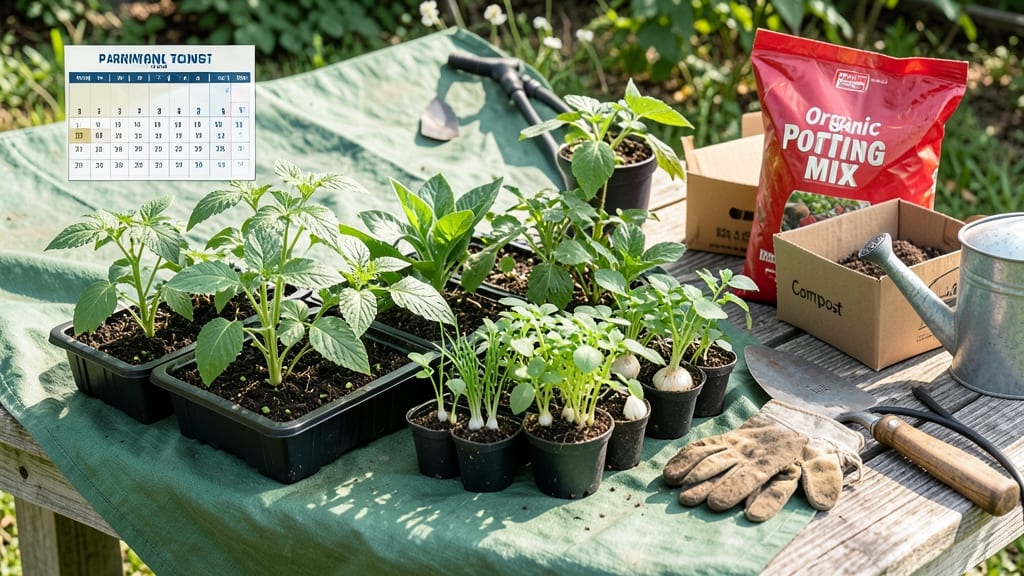
Timing your vegetable planting in Texas can feel like playing a high-stakes game of chance—one wrong move and your 🌱 could wilt before it even takes root. The secret lies in understanding your heat zone, because what works in North Texas might fail spectacularly in the Rio Grande Valley.
I’ve spent years watching gardens thrive (and wither) across Texas, and the best time to plant isn’t just about the calendar—it’s about soil warmth, frost-free dates, and knowing which crops can handle 100°F+ heat.
Whether you’re a first-time gardener or a seasoned green thumb, getting this right means fewer losses and more homegrown meals.
From cool-season greens like lettuce to heat-loving tomatoes, we’ll break down the exact windows for planting in your region—no guesswork, just proven strategies. Let’s turn your Texas garden into a year-round success story.
Ready to skip the trial-and-error? I’ll show you how to align your planting with Texas’s unique climate, so your vegetables get the head start they need to beat the heat.
Texas heat-Zone planting calendar: when to start seeds and transplants by region
Texas spans 10 distinct heat zones, each with unique frost-free dates and planting windows. Understanding your zone helps you avoid late frosts or scorching summer heat that can ruin crops. For example, Zone 8 (North Texas) has earlier frost risks than Zone 10 (South Texas), where summer planting dominates.
Soil temperature is just as critical as air temperature—most vegetables need 60-70°F soil to germinate.
In Texas, this often means starting seeds indoors 6-8 weeks before your last frost date or waiting until late spring for direct sowing. Heat-tolerant crops like okra and sweet potatoes can handle 90°F+ soil, while lettuce wilts in 80°F+.
Here’s a quick guide to Texas heat zones and their ideal planting windows:
| Heat Zone | Last Frost Date | Start Seeds Indoors | Transplant Outdoors | Direct Sow Outdoors | Summer Planting Window |
|---|---|---|---|---|---|
| Zone 8 (North TX) | Feb 15 - Mar 1 | Feb 1 - Mar 15 | Mar 15 - Apr 15 | Apr 1 - May 1 | Aug 1 - Sep 15 |
| Zone 9 (Central TX) | Jan 15 - Feb 15 | Jan 1 - Feb 15 | Feb 15 - Mar 30 | Mar 1 - Apr 30 | Jul 15 - Sep 30 |
| Zone 10 (South TX) | Dec 15 - Jan 15 | Nov 1 - Dec 31 | Dec 15 - Feb 15 | Feb 1 - Apr 30 | Jun 1 - Oct 31 |
| All Zones | Varies | 6-8 weeks before last frost | After last frost | Soil temp ≥60°F | Plant heat-lovers after May 1 |
For Zone 8 gardeners, focus on cool-season crops like broccoli and peas in early spring, then shift to tomatoes, peppers, and squash after May 1. In Zone 10, you can grow year-round, but avoid planting heat-sensitive crops like cabbage during July and August when temps exceed 95°F.
Use row covers or shade cloth to protect seedlings from sudden heat spikes. In my Zone 9 garden, I’ve had success extending the growing season by planting fall crops like kale and carrots in late summer for a harvest before winter sets in.
Soil prep is key—amend your beds with compost and organic matter to improve moisture retention. In Zone 10, where summers are relentless, mulch heavily to keep roots cool. I’ve seen okra and sweet potatoes thrive with black plastic mulch reflecting heat away from the soil.
Don’t forget about succession planting! In Zone 8, I sow bush beans every 2 weeks from April to June to ensure a steady harvest. Similarly, in Zone 10, I plant green onions on the 15th of each month for continuous greens.
Watch for unpredictable late frosts, especially in North Texas (Zone 8). I’ve
Heat-tolerant vegetables that thrive in Texas summers: best crops for each season
Texas summers are brutal for most vegetables, but some crops not only survive but thrive in the heat. I’ve grown these heat-tolerant varieties for years, and they consistently deliver—even when temperatures hit 105°F.
The key is planting at the right time and choosing varieties bred for Texas’s long, hot growing season.
Spring is your best window for warm-season crops that need to establish roots before the real heat arrives. In North Texas, aim for March-April, while South Texas gardeners can start as early as February. These early plantings give vegetables time to mature before summer’s peak intensity.
Here’s my go-to list of heat-tolerant vegetables, organized by planting season, with exact timing to maximize your harvest:
- Okra – Start seeds after last frost (soil temp 70°F+). Varieties like 'Clemson Spineless' handle 110°F heat.
- Sweet Potatoes – Plant slips in late March (North TX) or February (South TX). 'Beauregard' matures in 90-100 days.
- Black-Eyed Peas – Sow seeds when soil is 60°F+. 'Purple Hull' thrives in 90°F+ and resists pests.
- Heat-Resistant Tomatoes – Transplant after June 15 (North TX) or May 15 (South TX). 'Solar Fire' and 'Heatmaster' stay productive in 95°F+.
- Malabar Spinach – Direct sow in late June for a fall harvest. Grows like a weed in full sun.
- Peppers (Jalapeño, Serrano) – Plant after July 4 in North TX. 'Lunchbox' peppers thrive in heat and drought.
- Collard Greens – Sow seeds in August for winter harvests. 'Georgia Southern' handles light frosts.
- Kale – Plant late August (North TX) or July (South TX). 'Lacinato' sweetens after frost.
- Turnips – Direct sow in September for cool-season growth. 'Purple Top' stores well in root cellars.
For summer planting, focus on succulent crops like okra and sweet potatoes—they store water efficiently and keep producing through drought. Mulch heavily with straw or wood chips to retain moisture and keep roots cool. I’ve seen okra plants still flowering when air temps hit 108°F!
Fall is your second chance for a harvest. Leafy greens like collards and kale actually sweeten after a light frost, making them perfect for Texas’s cool-season windows. Plant these 6-8 weeks before first frost (usually November-December in North TX).
Pro tip: Use shade cloth (30-50%) for tomatoes and peppers during peak July-August to prevent sunscald. My 'Heatmaster' tomatoes produce 20% more with just a little afternoon shade. The extra effort pays off in bigger, sweeter fruit.