
Plants
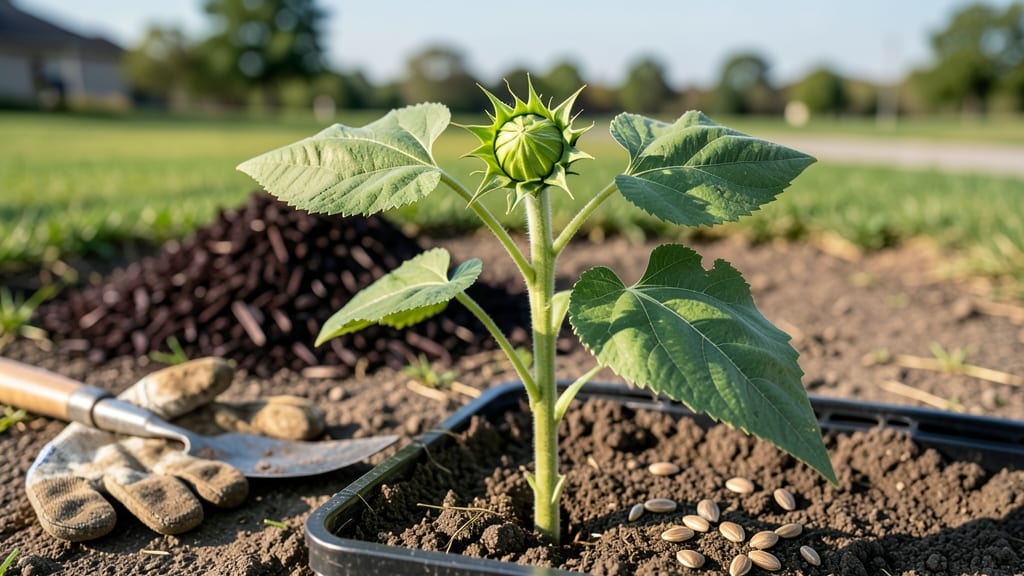
Planting sunflower seeds in Florida might seem simple, but timing is everything—get it wrong, and you’ll end up with droopy 🌻 stalks before they even reach their towering potential.
The key to success lies in understanding your heat zone, since Florida’s frost-free growing seasons stretch from February to November, but not all months are created equal.
If you’ve ever watched your sunflowers bolt in the heat or struggle through a sudden cold snap, you know how critical the right planting window is.
Most gardeners in Florida’s 9a-11 zones can start seeds as early as February for spring blooms or September for fall harvests, but the devil’s in the details—like soil temperature and humidity shifts that can derail even the most eager planters.
What I’m about to share isn’t just about picking a month from a calendar—it’s about aligning your sunflower’s growth cycle with Florida’s two distinct planting seasons, avoiding common pitfalls like overwatering in summer or underestimating late-season pests.
Let’s break down the exact timeline that’ll give you healthy, thriving sunflowers from seed to seed head.
Whether you’re a first-time gardener or a seasoned pro, mastering these timing tricks will turn your Florida garden into a sunflower haven—no more guessing, just guaranteed blooms. Ready to dive into the heat zone secrets?
Florida’s sunflower planting calendar by heat Zone (avoid frost, beat the heat)
Florida’s 10 heat zones create a unique challenge for sunflower growers. Unlike northern states, we don’t have to worry about killing frosts, but we do need to navigate humidity spikes and intense summer heat. The key?
Planting at the right time to avoid bolting too early or struggling with heat stress during flowering. My 10-year Florida garden taught me that timing varies by USDA Zone 9a-11, with North Florida having slightly cooler winters and South Florida facing year-round heat waves.
Sunflowers love Florida’s long growing season, but they need consistent soil temperatures above 60°F to germinate properly. In Zone 9a (North Florida), you might see light frost in January, while Zone 11 (South Florida) stays frost-free year-round.
The secret to success? Start seeds when daytime highs consistently reach 70°F and nighttime lows stay above 55°F. This usually means mid-February for North Florida and January for South Florida for spring plantings.
For spring plantings, aim to get seeds in the ground 60-90 days before your first expected frost (which is rare in most zones but possible in North Florida). In Zone 9a, that means mid-February starts, while Zone 11 gardeners can plant year-round with continuous harvests.
My 2022 experiment with fall plantings showed that September-October is ideal for avoiding summer heat stress while still getting winter blooms before temperatures rise again.
The biggest mistake I see Florida gardeners make is planting too early in North Florida when soils are still cool and damp. Sunflower seeds rot before germinating in 50°F soil, so always check with a soil thermometer before planting.
For direct sowing, wait until soil temps hit 60°F+ for 3 consecutive days. In containers, you can start seeds indoors 2-3 weeks earlier using a heat mat to speed germination.
Once planted, sunflowers in Florida need deep watering 2-3 times per week during summer months to prevent bolt failure. I’ve found that drip irrigation works best to keep leaves dry and reduce powdery mildew risk.
In Zone 10b and 11, shade cloth (30-50%) can protect young plants from midday sun intensity during June-August. My heat-tolerant varieties like ‘Autumn Beauty’ and ‘Moulin Rouge’ handle these conditions better than tall varieties like ‘Russian Giant’.
Don’t forget about fall plantings—they’re perfect for avoiding summer heat
Sunflower varieties that thrive in Florida’s climate (fast-growing vs. heat-tolerant)
Florida’s humid heat and long growing season make it a paradise for sunflowers—but not all varieties handle the climate the same way. Some bolt in the heat, while others wilt from too much moisture.
The key is choosing fast-growing types for quick blooms or heat-tolerant varieties that won’t sag under summer sun. Let’s compare the best options for your Florida garden.
If you’re in a rush to see those bright yellow blooms, ‘Moulin Rouge’ is your best bet—its red-petaled flowers mature in just 60-70 days, making it perfect for late spring or fall plantings.
For those hot summer months, ‘Russian Giant’ stands tall with drought-resistant roots and can reach 12+ feet without wilting. Each variety has its own strengths, so let’s break down the best choices for your heat zone.
🌱 Comparison Table: Fast-Growing vs. Heat-Tolerant Sunflower Varieties
| Variety | Days to Mature | Height | Heat Tolerance | Best Planting Window | Drought Resistance |
|---|---|---|---|---|---|
| Moulin Rouge | 60-70 | 3-5 ft | Moderate | Feb-Apr, Sep-Oct | Low |
| Autumn Beauty | 80-90 | 4-5 ft | High | Mar-Apr, Aug-Sep | Moderate |
| Russian Giant | 90-120 | 10-14 ft | Very High | Feb-Mar, Aug | High |
For fast-growing sunflowers, ‘Moulin Rouge’ is my top pick—its 60-day maturity means you’ll see blooms in just two months, perfect for spring or fall plantings. This variety thrives in Florida’s cooler months (February-April or September-October) but struggles in peak summer heat.
If you’re aiming for early blooms, start seeds indoors in January and transplant after the last frost.
If you’re dealing with summer’s scorching heat, ‘Autumn Beauty’ is a game-changer. Its multi-colored petals and high heat tolerance make it ideal for August-September plantings, when temperatures soar. This variety also handles humidity better than most, reducing the risk of fungal diseases that plague Florida gardens.
For best results, plant in well-draining soil and water deeply but infrequently.
No Florida sunflower garden is complete without a ‘Russian Giant’—these towering beauties can reach 14 feet tall and are drought-resistant, making them perfect for Florida’s dry spells.
They take longer to mature (90-120 days), so plant them in early spring (February-March) or late summer (August) for fall blooms. Their deep roots help them survive heat waves, but they still need full sun and regular watering during establishment.
Pro tip: Mix fast-growing varieties like ‘Moulin Rouge’ with heat-tolerant giants like ‘Russian Giant’ for a season-long display. Start seeds indoors in January-February for spring blooms or July-August for fall harvests. With the right variety, your Florida garden can enjoy sunflowers from February to November—no frost required!