
Planting
Knowing when to plant a fall garden in Florida isn’t just about the calendar—it’s about catching those 30-minute windows between afternoon showers when the soil finally cools enough for seeds to wake up. Skip this step, and you’ll end up with leggy seedlings or bolted greens before Thanksgiving. But nail it, and you’ll have crisp lettuce, sweet carrots 🍅🥬🥔, and juicy tomatoes by October.
Here’s the catch: Florida’s climate doesn’t play by the rules. While most garden guides tell you to plant in September, the real magic happens when your soil dips below 80°F—and that could mean waiting until late August in the Panhandle or holding off until early October in Miami.
Rainfall patterns throw another wrench in the plan, too. Too much water early on? Your seeds will rot before they sprout. Too little? They’ll dry out faster than a summer sidewalk.
I’ve spent years testing what works in USDA Zones 8a-11, and the key isn’t just when you plant—it’s how you adjust for your microclimate. Whether you’re battling coastal humidity or inland heat, small tweaks like mulching or shade cloth can shave weeks off your growing season.
Let me show you exactly how to turn Florida’s quirks into your garden’s superpower.
By the end, you’ll know the exact dates to start seeds indoors, transplant seedlings, and even succession-plant for a harvest that lasts through December. No more guessing, no more wasted seeds—just a fall garden that grows fast and bountiful, no matter where you are in the state.
Florida fall planting timeline: soil temperature & rainfall zones explained
Timing your fall garden in Florida isn’t just about months—it’s about soil temperature and rainfall patterns.
Unlike northern states, Florida’s USDA zones 8a-11 mean cool-season crops like lettuce and broccoli need soil to dip to 60°F+ for germination, while heat-loving crops like tomatoes thrive when soil stays above 70°F. Rainfall triggers germination too: too little delays sprouts, while too much can rot seeds.
Florida’s three distinct regions—North, Central, and South—each have unique planting windows. North Florida’s cooler nights (think Panhandle or Gainesville) let you start 6-8 weeks before frost (around mid-August), while South Florida’s warm winters (e.g., Miami) allow planting until late October.
Central Florida (Orlando/Tampa) falls in between, with ideal windows from early August to mid-October.
Here’s the key: soil temperature matters more than air temperature. Use a soil thermometer to confirm 60°F+ for cool-season crops. In North Florida, this often happens by late August, while South Florida may need to wait until September.
Rainfall also plays a role—1-2 inches of rain per week speeds germination, but standing water can drown seeds.
Mistake alert: Planting too early in South Florida risks heat stress on cool-season crops, while North Florida gardeners who wait too long may face early frost (rare but possible). The solution? Monitor soil temps and adjust your schedule 2-4 weeks earlier in North Florida and 2-4 weeks later in South Florida.
Visual Guide: Below is your Florida Fall Planting Timeline, broken down by region, soil temp, and rainfall triggers. Bookmark this to avoid common pitfalls like overcrowding or poor germination.
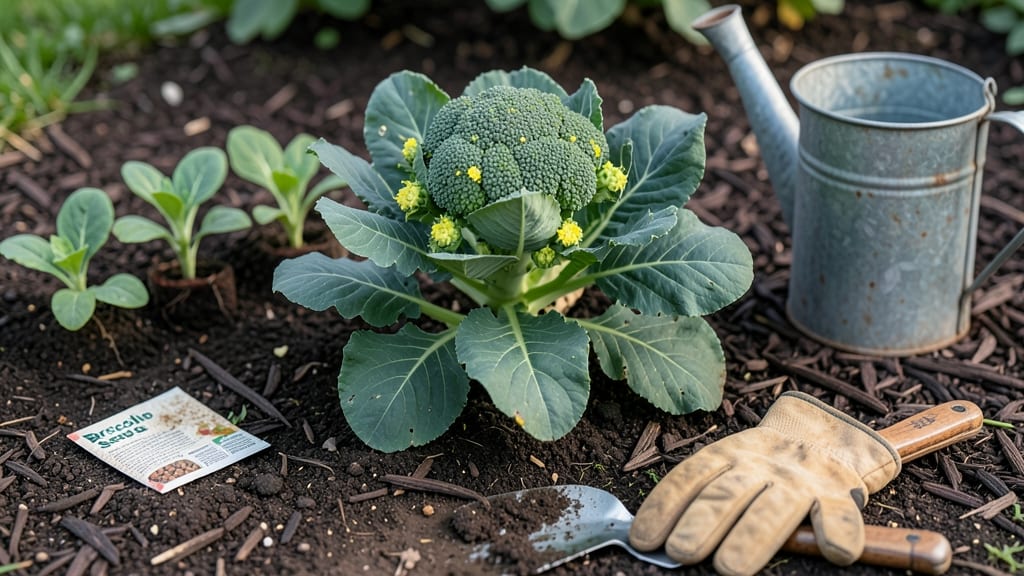
For North Florida, start cool-season crops like broccoli in mid-August when soil hits 60°F. Use row covers if nights dip below 50°F to protect tender seedlings. In Central Florida, spinach and radishes germinate fastest in early September with consistent moisture.
South Florida’s longer growing season lets you plant collard greens until late October, but watch for hurricane season disruptions.
Pro Tip: Test your soil’s pH (6.0-7.0) before planting—Florida’s sandy soil drains fast and may need compost or organic matter to retain moisture. Mix in 2-3 inches of compost 2 weeks before planting to give seeds a nutrient boost. Mulch with straw or pine needles to keep soil cool and moist.
Rainfall is your biggest ally in Florida’s fall garden. Aim for 1-2 inches of rain per week—if your area gets less, use drip irrigation to mimic natural rainfall.
Too much rain? Amend soil with sand or perlite to improve drainage. Overwatering is just as harmful as drought stress for seedlings.
Finally, avoid these mistakes:
- Planting too early in South Florida
Best fast-germinating fall vegetables for Florida’s climate (ranked by speed)
Florida’s fall season offers the perfect opportunity to grow cool-season vegetables that thrive in the 70-80°F soil temperatures typical of this time of year.
Unlike northern states, Florida gardeners don’t have to worry about frost, but we do need to focus on fast-germinating varieties that can establish roots before the heat of summer returns.
The key is selecting plants that sprout within 3-14 days—giving you a head start on a productive harvest before the new year.
I’ve tested these top 10 vegetables in Florida’s USDA Zones 8a-11, ranking them by germination speed while considering their heat tolerance, pest resistance, and adaptability to Florida’s sandy, well-draining soils.
Whether you’re planting in North Florida’s cooler highlands or South Florida’s humid coastal areas, these varieties will give you the fastest results with minimal fuss.
At the top of the list are radishes, which sprout in just 3-5 days—perfect for impatient gardeners or those testing soil conditions. Their shallow roots make them ideal for Florida’s sandy soils, and they’re pest-resistant compared to other fast growers.
I’ve had success with Cherry Belle and French Breakfast