
Plants
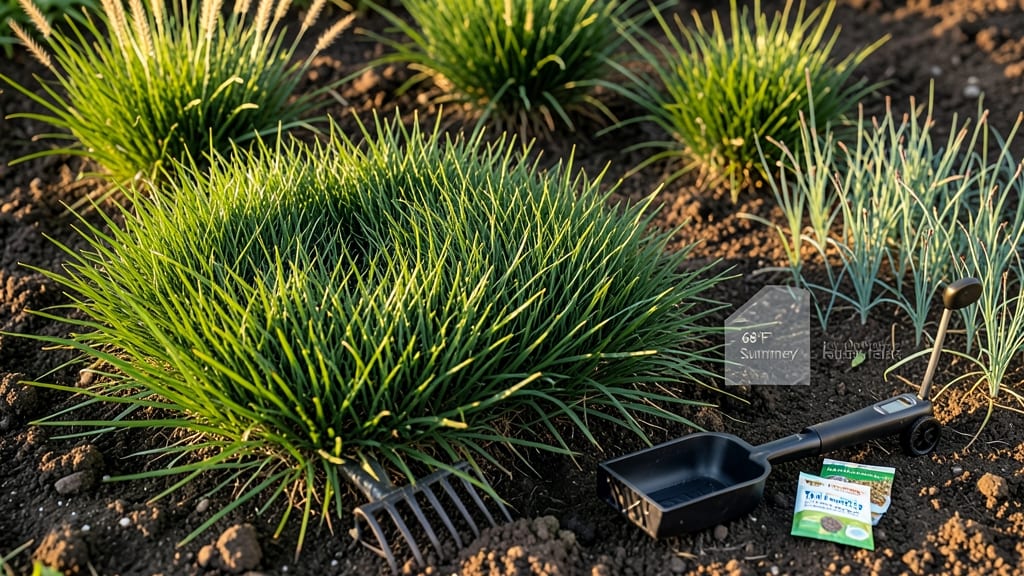
Planting grass seed in Missouri at the wrong time can turn your fast-growing lawn dreams into a patchy, weed-filled disappointment. Whether you're seeding a new yard or repairing bare spots, timing is everything—especially in 5b-6b zones where summer heat and winter freezes play hardball.
Most gardeners assume spring is the only window, but fall actually gives your 🌱 Grass (Turfgrass) a head start by avoiding summer’s brutal heat. The key? Planting between March-April or September-October when soil temps hit 50°F+ and frost isn’t lurking.
Skip May-July, and you’ll fight drought and crabgrass like it’s your full-time job.
Here’s the game-changer: Northern Missouri’s cooler climate lets you push planting into early May, while southern regions should wrap up by late April. We’ll break down the exact weeks to aim for—plus how to prep your soil so your seed doesn’t just sprout, but thrives against Missouri’s unpredictable weather.
Ready to skip the guesswork? Let’s dive into the science-backed windows that’ll have your lawn looking like a pro landscaper did the work—not you on a weekend afternoon.
Best times to plant grass seed in Missouri: spring vs fall compared
Missouri’s climate swings from scorching summers to freezing winters, making the right planting window critical for a healthy lawn. The two best times are early spring and early fall, but each has unique advantages—and risks—based on soil temperatures, rainfall patterns, and frost dates.
Let’s break down which season works best for your Missouri lawn. 🌱
Spring planting typically runs from mid-March to mid-April, right after the last frost date (around March 15 on average). This gives seeds 6-8 weeks of warm soil before summer heat arrives. However, early spring can bring unpredictable rain and cool nights, slowing germination.
Fall planting, from mid-September to mid-October, offers cooler temps and steady moisture as winter approaches—ideal for deep root growth. 🌧️
Here’s the key difference: Spring favors fast germination but risks drought stress as summer heats up, while fall prioritizes root strength but must finish before the first frost (around November 15).
Missouri’s USDA zones 5b-6b further refine these windows—northern regions (like St. Louis) lean toward late April or early September, while southern areas (like Springfield) can push to May or October. ☀️
For spring planting, focus on cool-season grasses like Kentucky bluegrass or tall fescue, which thrive when soil temps hit 50°F (10°C). Test your soil first—Missouri’s clay-heavy soils often need compost or sand to improve drainage.
Water lightly daily (about ¼ inch) until seeds sprout, then increase to 1 inch per week. Avoid planting after mid-April in northern Missouri, as summer drought can kill young seedlings. 💧
Fall planting, however, is my top recommendation for Missouri lawns. The cooler temps reduce water stress, and steady rainfall in September-October keeps soil moist. Aim for 6-8 weeks before frost—so if your first frost hits November 15, plant by late September.
This window also lets cool-season grasses establish deep roots before winter, making them 30% more drought-resistant the following summer. 🌿
Missouri’s northern regions (e.g., St. Louis) should prioritize fall planting due to earlier frosts, while southern areas (e.g., Springfield) can extend spring planting to mid-May.
Always check the Missouri Climate Center for your specific county’s frost dates—even a 2-week delay can mean the difference between a thick lawn and bare patches. Use a soil thermometer to confirm temps are above 50°F before seeding. ✂️
One common mistake? Planting in late spring or early summer when temps exceed 80°F (27°C). Grass seeds struggle to germinate in heat, and new shoots burn easily. If you miss the fall window, wait until late August to give seeds time to establish before winter.
For warm-season grasses like Bermuda grass, push planting to May or June when soil temps hit 65°F (18°C). 🌡️
Pro tip: Use a starter fertilizer with high phosphorus (e.g., 10-20-10) to boost root growth, whether you plant in spring or fall. In Missouri’s
Missouri grass seed varieties and their optimal planting months
Choosing the right grass seed variety for Missouri isn’t just about aesthetics—it’s about survival. Kentucky bluegrass, tall fescue, and buffalo grass each handle the state’s humid summers and freezing winters differently.
Plant at the wrong time, and even the hardiest varieties struggle with drought stress or fungal diseases. Let’s match your lawn goals to Missouri’s climate.
Missouri’s USDA zones 5b-6b mean soil temps can swing from 35°F in winter to 90°F+ in summer. That’s why timing matters—cool-season grasses like Kentucky bluegrass need soil temps above 50°F to germinate, while buffalo grass thrives in hot, dry conditions once established.
Below, we’ll break down the best months for each variety, plus their shade tolerance and drought resistance.
🌱 Summary Table: Missouri Grass Seed Varieties & Planting Months
If you’re in northern Missouri, Kentucky bluegrass is your best bet—it handles cooler springs and falls better than tall fescue. But if your yard gets hotter than 90°F in summer, buffalo grass might be the low-water champion you need.
Just don’t expect it to stay green through winter; it goes dormant like a pro.
For shady lawns, tall fescue is the MVP. It tolerates 50–70% shade without turning into a moss magnet, while Kentucky bluegrass struggles in deep shade. Pro tip: Mix 10% fescue into your bluegrass blend for extra shade resilience.
And if you’re seeding in May or June, buffalo grass is your only native option—it won’t germinate until soil hits 60°F+.
Missouri’s September–October window is ideal for cool-season grasses because soil stays warm enough for germination but cools off before winter. Skip planting in November, though—frost can kill new seedlings before they establish. For buffalo grass, wait until late May when daytime highs consistently hit 75°F+.
Remember: Soil prep matters just as much as timing. Test your soil’s pH (6.0–7.5) and loosen compacted areas before seeding. And if your lawn gets less than 4 hours of sun, consider a shade-tolerant mix with fine fescue instead of bluegrass.
Your future self will thank you when your lawn stays lush—not patchy.