
Plants
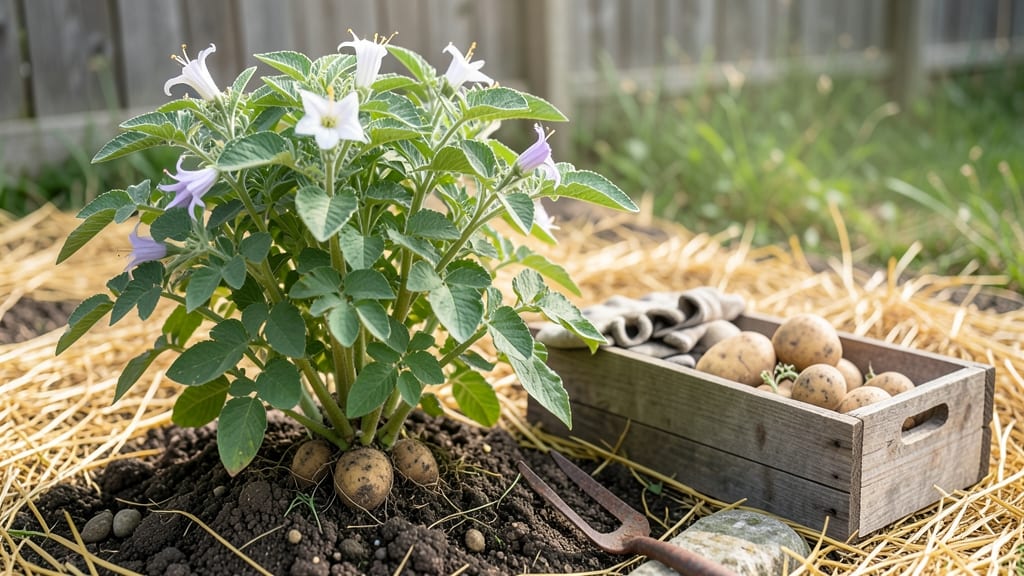
Planting potatoes in Pennsylvania at the wrong time can mean the difference between a bountiful harvest and wasted effort. With USDA Zone 6a frost dates that shift yearly, knowing exactly when to plant your 🥔 is critical for success.
Most gardeners aim to get seed potatoes in the ground 2-4 weeks before the last frost, typically around mid-March to early April. But Pennsylvania's unpredictable spring weather makes timing tricky—plant too early, and frost will damage tender sprouts; too late, and you'll miss the ideal growing window.
What if you could adjust your planting schedule based on soil temperature and local frost patterns? I'll show you how to pinpoint the perfect moment for your region, whether you're growing Yukon Golds or cold-hardy red potatoes. Let's dive into the strategies that work best for Pennsylvania gardeners.
From indoor starts to outdoor planting, we'll cover everything you need to know to maximize your potato yield. With the right approach, you could be harvesting July through September—just in time for fresh potato dishes all summer long.
Pennsylvania planting zones & ideal potato planting dates by month
Pennsylvania spans USDA Hardiness Zones 5-7, creating distinct microclimates that affect when to plant potatoes. In Zone 5 (northwest mountains), wait until after the last frost date (mid-May), while Zone 7 (southeast) can start as early as late March.
The key is soil temperature—wait until it reaches 45°F (7°C) for 1-2 weeks consistently.
For seed potatoes, aim to plant 2-4 weeks before your last frost date. In most of PA, this means early April to mid-May. However, early varieties like Yukon Gold can handle cooler soils, while fingerlings need warmer conditions.
Always check your local frost-free date—Pittsburgh averages April 20, while Philadelphia sees it April 10.
Here’s your month-by-month planting guide for Pennsylvania’s zones, including ideal varieties for each window:
| Month | Zone 5 (Northwest) | Zone 6 (Central) | Zone 7 (Southeast) | Best Varieties |
|---|---|---|---|---|
| March | Indoor starts (cold frame) | Late March (protected) | Early March | Yukon Gold, Kennebec |
| April | Mid-April (after frost) | Early-Mid April | Late March-Early April | Red Pontiac, Fingerlings |
| May | Late May (backup) | Mid-May (late frost) | Early May (extended) | Adirondack Blue, Russian Banana |
| June | N/A (too late) | N/A (too late) | N/A (too late) | N/A |
*Adjust dates 1-2 weeks earlier for early varieties or later for slow starters.
In Zone 5, prioritize early-maturing varieties like Red Pontiac (90 days) to avoid late blight risks. For Zone 7, you can even try a fall planting in early September for a late harvest—just use long-day varieties like Kennebec and harvest before frost.
Soil prep is critical: Loosen soil 12 inches deep and mix in compost for drainage. Plant seed potatoes 4 inches deep, spacing rows 30 inches apart to allow for hilling (piling soil around stems). This protects tubers from green skin (toxic solanine) caused by sunlight exposure.
Use row covers if planting early—even a light frost (28°F/-2°C) can kill young sprouts. In Zone 6, where last frosts average April 15, wait until mid-April for outdoor planting. For container growing, start seed potatoes indoors in late February and transplant after frost.
Pro tip: Chit your seed potatoes (place in light to sprout eyes) 4-6 weeks before planting. This gives you a 2-week head start on growth. Store chitted potatoes in a cool, dark place (like a basement) until planting day.
Monitor your garden’s microclimate—southern slopes warm faster than northern exposures. If your area has late spring frosts (common in the Poconos), delay planting until May 1 or use frost cloth for protection.
For extended harvests, stagger plantings every 2 weeks from April to early May. This ensures a steady supply of new potatoes (harvest at 60 days) and mature tubers (harvest at 90-120 days
How to adjust planting dates for Pennsylvania’s unpredictable spring weather
Pennsylvania’s spring weather can be as unpredictable as a whimsical April breeze. One day you’re planting potatoes, and the next, a late frost threatens to turn your hard work into a sad, frozen memory. The key to success?
Flexibility and preparation. I’ve learned to adjust my planting schedule based on soil temperature, frost forecasts, and backup plans that keep my potatoes thriving even when Mother Nature throws curveballs.
Start by monitoring your local last frost date, which varies across PA’s USDA zones 5-7. For most regions, this falls between mid-April and early May. However, don’t rely solely on averages—check the National Weather Service or local agricultural extensions for real-time updates.
I always plant my seed potatoes 2-4 weeks before the expected last frost, but I’ve also had to delay planting twice in the last five years due to unexpected cold snaps.
⚠️ callout warning
Pennsylvania’s late frosts can strike as late as May 10-15 in some zones. If your potatoes are already sprouting, cover them immediately with frost cloth or a row cover. For seed potatoes, delay planting until soil temps hit 45°F consistently—use a soil thermometer to check. Never plant when soil is below 40°F, or your tubers will rot.
To extend your growing season, I rely on row covers and cold frames. A simple floating row cover can raise soil temperatures by 5-8°F, giving your potatoes a head start. For early planting, I use a cold frame to protect seedlings from late frosts.
These low-cost structures create a microclimate that mimics summer conditions, allowing me to plant 4-6 weeks earlier than the traditional window.
Another trick I’ve adopted is the succession planting method. Instead of planting all my seed potatoes at once, I stagger them in 2-week intervals. This ensures a continuous harvest and reduces the risk of losing an entire crop to a single frost event.
For example, I’ll plant my first batch in late March, cover it with row fabric, and follow up with two more batches in early and mid-April.
For gardeners in northern PA (zones 5-6), consider planting early-maturing varieties like Yukon Gold or Red Norland, which can be harvested in 90 days. These varieties give you a buffer if spring drags on.
In southern PA (zone 7), you can afford to plant slightly later, but always have a backup plan for unexpected cold snaps. I keep a few seed potatoes on hand to replant if the first batch fails.
Finally, don’t forget to test your soil temperature before planting. Potatoes need soil that’s at least 45°F for optimal germination. If your soil is still cold, wait it out—patience is key. And if all else fails, remember that fall planting is an option for some varieties.
Plant seed potatoes in late summer (August-September) for a winter harvest, though this method requires careful timing to avoid early frosts.