
Plants
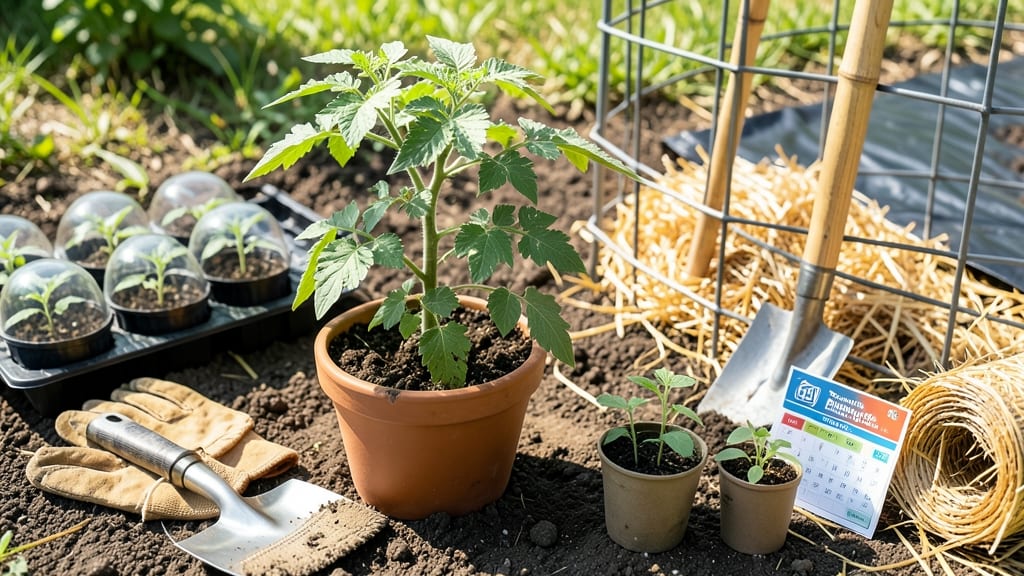
Planting tomatoes in Florida isn't just about picking a month—it's about dodging the heat trap that turns your seedlings into bolting disasters before they even set fruit.
With no frost to mark the calendar, Florida gardeners face a unique challenge: too early, and your 🍅 plants race to flower; too late, and summer's scorching sun steals their energy. The key isn't just knowing when—it's mastering the 4 critical weeks that separate thriving plants from wasted effort.
Most gardeners assume spring is the only safe window, but Florida's subtropical climate lets you grow tomatoes year-round—if you play by the heat rules. North Florida's cooler pockets near Zone 9a might handle early January starts, while South Florida's Zone 11 humidity demands late winter planting to avoid fungal stress.
The real secret? Timing your transplants so soil temps stay between 60-75°F—any hotter, and your plants bolt faster than you can say "salsa."
Here's what I've learned after years of trial-and-error: the best planting windows aren't fixed dates but heat-sensitive periods. Late winter (February) gives you the sweet spot for most regions, but coastal areas can push to March, while inland heat sinks need to wait until April.
And if you're aiming for fall harvests? Start seeds in August for transplants by September—just don't let them face summer's peak.
Ready to stop guessing and start growing? I'll walk you through the exact weeks to plant in your Florida zone, plus 5 science-backed tricks to delay bolting when the heat gets aggressive. No more wasted seedlings—just reliable, fruit-heavy tomato plants from spring to fall.
Florida’s 4 critical planting windows to prevent tomato bolting
Florida’s subtropical climate throws traditional planting advice out the window—literally. Unlike northern states, we don’t have last frost dates to guide us. Instead, heat stress and day length trigger bolting, where your tomato plants flower too early and produce bitter fruit.
The key? Planting during four science-backed windows that align with Florida’s unique microclimates.
Most gardeners assume spring planting is the only option, but Florida’s fall window often yields sweeter tomatoes with fewer pests. The difference? Soil temperatures below 85°F and shorter daylight hours in autumn create ideal conditions. Let’s break down the exact weeks to plant—and why timing matters more than you think.
Why traditional advice fails in Florida: Northern planting guides focus on frost protection, but Florida’s year-round warmth means tomatoes can bolt in as little as 6 weeks if planted too early or late. The critical threshold is soil temps above 90°F for more than 2 weeks, which triggers premature flowering. Here’s how to avoid it:
| Planting Window | Ideal Months (Zones 8-11) | Soil Temp Threshold | Bolting Risk | Key Action |
|---|---|---|---|---|
| Early Spring | Late January–Early March | 60–75°F | Low (if hardened off) | Start seeds indoors; transplant after March 15 in most zones. |
| Late Spring | Mid-April–Early May | 70–80°F | Moderate (use shade cloth) | Plant heat-tolerant varieties like ‘Solar Fire’ or ‘Heatmaster.’ |
| Fall (Primary Window) | Late August–Early September | 75–85°F | Low (best harvests) | Transplant 6–8 weeks before first frost risk (rare in South Florida). |
| Winter (Limited) | December–Early January | 65–70°F | High (use row covers) | Only for North Florida (Zone 8); protect with frost blankets. |
Notice how fall planting (August–September) avoids the peak summer heat that causes bolting. This is why Florida gardeners swear by succession planting in autumn—you get 3–4 months of harvests before cold weather arrives.
The late spring window (April–May) is riskier but works if you use shade cloth to keep soil temps below 85°F.
Here’s the hard science behind bolting: Tomatoes detect day length (photoperiod) and heat stress. When days exceed 14 hours of sunlight (common in Florida’s summer), they trigger flowering. Combine that with soil temps above 90°F, and you’ve got a recipe for premature bolting.
The fall window resets this cycle because shorter days and cooler nights delay flowering.
Pro tip: Use a soil thermometer to monitor temps. If your soil hits 85°F for 3+ days, your seedlings are at risk. Mulch with straw to keep roots cool—this can delay bolting by 2–3 weeks.
I’ve seen gardeners in Zone 10 push their planting window into early October using this trick and still get harvests by December.
Don’t overlook microclimates. Coastal areas like Miami (Zone 11) can plant year-round, but inland cities like Orlando (Zone 9b) need to time transplants for September 1–15 to avoid summer heat.
Even a 5-mile difference can shift your ideal planting date by 1–2 weeks. Check local weather station data for your exact zip code.
For container gardening, the rules change slightly. Potted tomatoes heat up faster, so I recommend planting 4–6 weeks earlier than in-ground plants. Use black fabric pots to absorb heat during the day and release it slowly at night—this mimics the thermal mass of garden soil.
In Zone 10, I’ve had success with November transplants using this method.
Bolting isn’t just about timing—it’s about plant selection. Heat-tolerant
How to adjust planting dates by Florida region (zones 8-11)
Florida’s subtropical climate means tomato planting dates vary dramatically from North Florida’s Zone 8 to South Florida’s Zone 11. Unlike northern states, we don’t have frost dates to guide us—instead, soil and air temperatures dictate the perfect window.
Plant too early, and heat stress triggers bolting (premature flowering). Plant too late, and you miss the 60-90 day harvest window before summer’s relentless sun.
Your local danger zone isn’t a calendar date—it’s when soil temps hit 80°F+ for 3+ consecutive days. This typically occurs mid-April in North Florida and as early as March in South Florida.
Using a 7-day buffer before this threshold is key to avoiding bolting disasters. For example, if your soil hits 80°F on April 15, aim to transplant by April 8.
| Zone | Ideal Transplant Window | Soil Temp Trigger (°F) | Danger Zone (Avoid Planting) | 7-Day Buffer Strategy |
|---|---|---|---|---|
| Zone 8 (North FL: Jacksonville, Gainesville) | Feb 15 - Mar 15 | 65-75°F | Apr 1 - May 15 | Transplant by Mar 22 |
| Zone 9 (Central FL: Orlando, Tampa) | Jan 15 - Feb 28 | 70-78°F | Mar 15 - Apr 30 | Transplant by Mar 8 |
| Zone 10 (South FL: Miami, Ft. Lauderdale) | Dec 1 - Jan 31 | 75-82°F | Feb 1 - Mar 15 | Transplant by Jan 25 |
| Zone 11 (Key West, Homestead) | Oct 15 - Dec 31 | 80-85°F | Jan 1 - Feb 15 | Transplant by Dec 25 |
Microclimates add another layer of complexity. Coastal areas like Miami (Zone 11) can be 5-10°F cooler than inland Homestead due to ocean breezes, delaying your danger zone by 1-2 weeks.
Conversely, inland Orlando (Zone 9) heats up faster—monitor soil temps with a thermometer (available for $15 at garden centers) to fine-tune your dates. Pro tip: Morning soil temps are the most reliable indicator of bolting risk.
For fall planting, aim for August 15-September 15 in North Florida and July 15-August 31 in South Florida. This gives tomatoes 60-70 days to mature before October’s heat spikes.
Use heat-tolerant varieties like ‘Solar Fire’ or ‘Heatmaster’ to push your window even further. These varieties can handle 90°F+ temps without bolting, extending your harvest into November.
Unpredictable heat spikes? Plan for a backup planting 2 weeks after your initial date. For example, if you transplant on March 1 in Zone 9, have seedlings ready by March 15 in case of a late cold snap.
This succession planting strategy ensures you’re never left without tomatoes when June’s heat wave hits—just don’t plant after May 15 in North Florida