
Plants
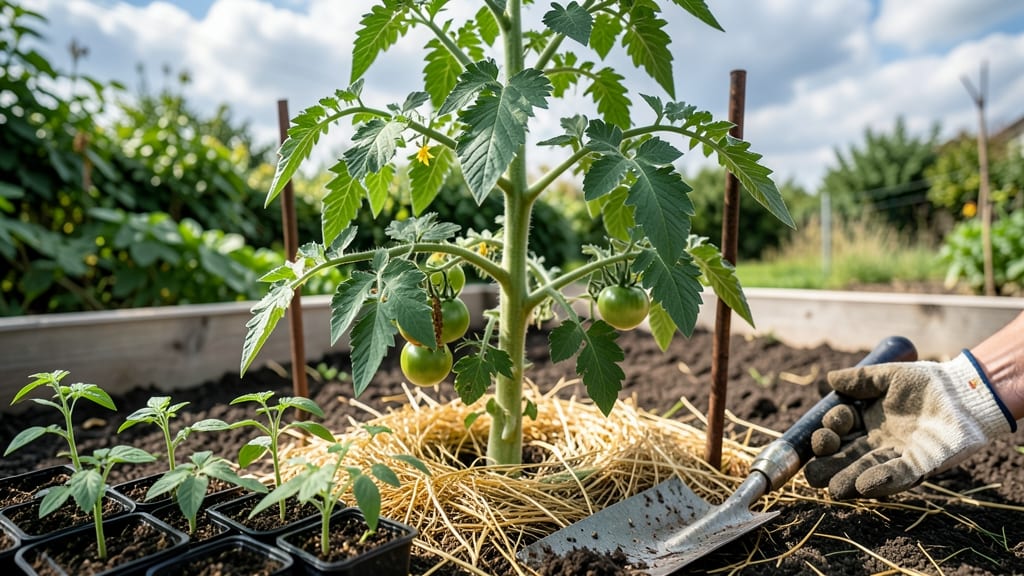
When should you plant tomatoes in Texas? Timing your 🍅 tomato planting in Texas isn’t just about the calendar—it’s about surviving the heat and avoiding frost surprises that can wipe out your crop before it even starts. One wrong move, and you’ll watch your seedlings wilt under 100°F heat or freeze in an unexpected cold snap, no matter how much you’ve prepared.
Here’s the secret Texas gardeners swear by: aligning your planting schedule with your local heat zone and frost-free dates. Whether you’re in Austin’s balmy Zone 8b or Houston’s humid Zone 9a, the right window makes all the difference between a bountiful harvest and a sad, sun-scorched failure.
In this guide, I’ll break down the exact months to plant for your region, plus pro tips to stretch your growing season—so you can enjoy homegrown tomatoes from spring straight through fall. No more guesswork, just heat-smart planting that works.
Ready to turn your backyard into a tomato powerhouse? Let’s dive into the Texas-specific strategies that’ll keep your plants thriving when others give up.
Texas heat zones explained: best planting months by region
Texas' extreme climate demands precision when planting tomatoes. The state is divided into three heat zones—A, B, and C—each with distinct frost-free dates and ideal planting windows. Zone A (southern Texas) enjoys the longest growing season, while Zone C (northern Texas) faces earlier frosts.
Understanding these zones helps you avoid heat stress or early frost damage to your plants.
For tomatoes, timing is critical because they thrive in warm soil (at least 60°F) but struggle when temperatures exceed 90°F. In Texas, this means planting early in spring or late in summer for fall harvests.
Each region also has unique last frost averages, which dictate your first planting window. Let’s break down the best months to plant by city and heat zone.
In Zone A (Houston, San Antonio), you can plant tomatoes as early as February for spring harvests or August for fall crops. These areas rarely experience frost, making them ideal for year-round production with heat-tolerant varieties.
However, avoid planting in June or July when temperatures consistently exceed 95°F, causing blossom drop and poor fruit set.
For Zone B (Austin, Dallas), aim to plant tomatoes in late March to April for spring and mid-July to August for fall. These regions experience milder winters but still face occasional late frosts. Use row covers or greenhouses to protect young plants if frost warnings arise.
In Zone C (Abilene, Amarillo), the growing season is shorter, so focus on early-maturing varieties and plant no later than late April for spring or late July for fall.
Pro tip: Test your soil temperature before planting—it should be at least 60°F for tomatoes to germinate properly. Use a soil thermometer or press your finger into the soil; if it’s cool to the touch, wait a few more days.
In urban gardens, containers heat up faster, so water them deeply in the morning to keep roots cool during Texas’ scorching afternoons.
If you’re in Zone A and want to experiment with fall planting, start seeds indoors in June and transplant outdoors in August. This gives your plants time to establish roots before the fall chill arrives.
For Zone C gardeners, consider greenhouse growing to extend the season—many nurseries offer heat-resistant tomato varieties like 'Heatmaster' or 'Solar Fire', which thrive in 100°F+ temperatures.
Remember, tomatoes need full sun (6-8 hours daily) and well-draining soil. Amend your garden beds with compost to improve drainage and retain moisture during Texas’ dry spells. Mulching with straw or wood chips also helps regulate soil temperature and reduce water evaporation—critical for heat-stressed plants.
By aligning your planting schedule with your heat zone and local frost-free dates, you’ll maximize your tomato harvest
How to stagger tomato planting for continuous harvests in Texas heat
Staggering your tomato planting is the secret weapon for beating Texas heat and avoiding the dreaded early blight that wipes out entire crops. By spacing out plantings every 2-3 weeks, you create a rolling harvest that keeps your kitchen stocked with fresh tomatoes while minimizing disease pressure.
This method works especially well in Texas' Zone 8-11 climates, where summer temperatures can push 100°F+.
Think of it like a relay race: as your first batch starts to overheat or fruit, the next wave is just coming into its prime. This approach also lets you test different heat-tolerant varieties without betting your entire garden on one planting.
For Texas gardeners, this means continuous harvests from June through October—or even longer with shade cloth during peak heat.
Step-by-Step Staggered Planting Guide
- 1 Start with soil prep: Test your soil's pH (6.0-6.8) and amend with compost or aged manure 2-3 weeks before first planting. Texas clay? Mix in sand or coconut coir for better drainage.
- 2 First planting (late Feb - early March): Choose early-maturing varieties like 'Celebrity' or 'Better Boy'. Plant transplants (not seeds) after last frost date (typically mid-March in North Texas, late February in South Texas).
- 3 Second planting (mid-April): Switch to heat-tolerant varieties like 'Heatmaster' or 'Solar Fire'. Use shade cloth (30-50%) for first 2 weeks to reduce transplant shock from 90°F+ soil.
- 4 Third planting (early June): For fall harvests, plant determinate varieties like 'Roma' or 'San Marzano'. Use drip irrigation to keep foliage dry and prevent fungal diseases during monsoon season.
- 5 Ongoing care: Mulch with straw or wood chips to retain moisture and keep roots 10°F cooler. Prune suckers aggressively to improve airflow and reduce heat stress on plants.
- 6 Harvest strategy: Pick tomatoes when 75% ripe to prevent sunscald. Store unripe tomatoes in a cool, dark place (60-65°F) to ripen slowly—critical during 100°F+ afternoons.
Pro tip: Use black plastic mulch under your plants to raise soil temperatures by 5-10°F, giving your seedlings a head start in cooler spring months. This is especially helpful in North Texas (Zone 8) where early mornings can still dip below 50°F even in April.
Pair this with drip irrigation timed for early morning to avoid wetting leaves—this combo cuts disease risk by nearly 50%.
For urban gardeners with limited space, try container growing with 5-gallon buckets. Fill them with a mix of peat moss, compost, and perlite, and plant bush varieties like 'Tiny Tim' every 3 weeks.
The key is keeping soil moisture consistent—containers dry out 3x faster than in-ground beds during Texas summers.
Remember, the goal is continuous harvests, not perfection. Even if one batch struggles, your other plants will still produce. This method has kept my Texas garden thriving for years—no