
Planting
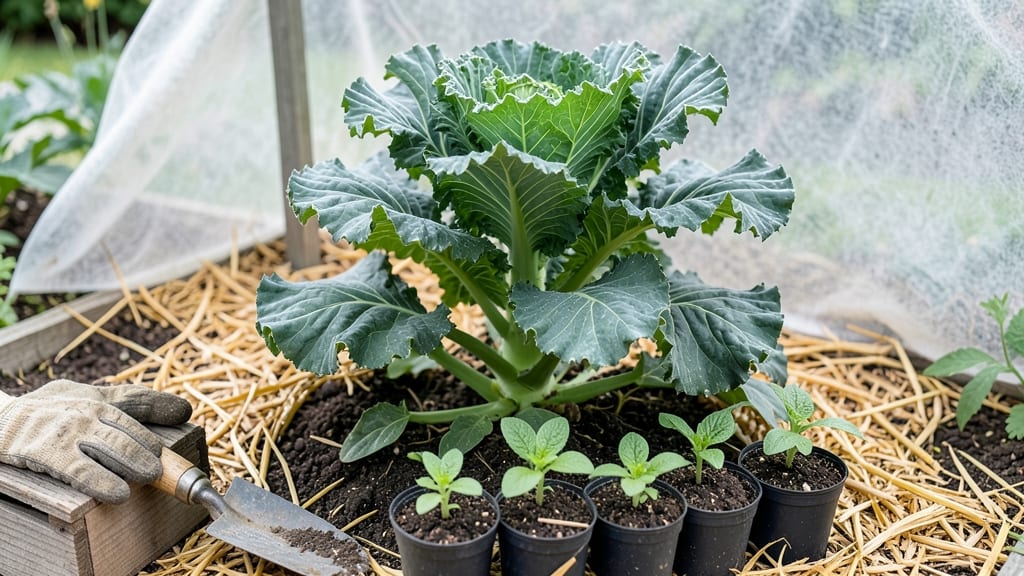
Planting a fall garden in Houston, Texas, isn't just about timing—it's about beating the heat while racing against the first frost. With the right strategy, you can grow 🥬 leafy greens, root vegetables, and more until December, but one wrong move risks bolting or frost damage.
Houston's unique Heat Zone 9a gives you a longer growing window than most regions, but the clock starts ticking in August. Whether you're a seasoned gardener or just starting, knowing the exact deadlines for planting cool-season crops can mean the difference between a bountiful harvest and wasted effort.
In this guide, I’ll break down the precise planting windows for Houston’s fall garden, including which vegetables thrive best and how to protect your crops from unexpected cold snaps. You’ll learn how to maximize your harvest before the first frost hits around December 1st.
Let’s dive into the strategies that will help you grow a thriving fall garden—without the guesswork. Your future harvest starts with the right timing, and I’ve got you covered.
Houston’s fall planting deadlines by heat zone 9b (with exact dates)
Houston’s Heat Zone 9b gives us a narrow but precious window to grow cool-season crops before winter frost arrives. Missing these deadlines means risking bolted greens or frost-damaged harvests, but timing correctly ensures a bountiful fall garden.
The key is understanding Houston’s last frost date (Nov 15) and how heat affects seedling survival.
For direct-sown crops like lettuce and radishes, you have 6-8 weeks before frost to establish strong roots. Transplants like broccoli and cabbage need 4-6 weeks to mature before cold snaps hit.
My rule? Start no later than mid-October for most varieties—this gives plants enough time to thrive before Houston’s unpredictable December frosts.
🚨 Pro Tip: Use Houston’s 100-day rule—if your crop takes 60 days to harvest, plant it 40 days before your first frost date (Nov 15 - 40 = Oct 15). This ensures you’ll harvest before winter sets in.
| Crop Type | Direct Sow Deadline | Transplant Deadline | Backup Window | Heat Tolerance |
|---|---|---|---|---|
| Leafy Greens (Lettuce, Spinach, Kale) | Aug 15 - Sep 15 | Sep 1 - Oct 1 | Sep 20 (with row covers) | Moderate (bolts in 90°F+) |
| Root Veggies (Carrots, Radishes, Beets) | Aug 1 - Sep 30 | N/A (direct sow only) | Oct 5 (fast varieties) | High (thrive in heat) |
| Brassicas (Broccoli, Cabbage, Cauliflower) | Sep 1 - Oct 15 | Aug 15 - Sep 15 | Oct 20 (small heads) | Low (needs cool soil) |
| Peas & Green Beans | Sep 15 - Oct 10 | Sep 1 - Sep 20 | Oct 15 (trellised) | Moderate (struggles in 95°F+) |
| Onions & Garlic | Sep 1 - Oct 1 | N/A (bulbs only) | Oct 10 (small bulbs) | High (heat-hardy) |
If you’re starting from seed, late August is your last chance for direct-sown crops like radishes (30-day varieties) or bush beans (50-day varieties). For transplants, mid-September is the cutoff for broccoli and cabbage—any later, and they’ll struggle to bulk up before frost.
I once planted Texas Blue collards on Oct 10 with row covers, and they survived until January—proof that Houston’s fall garden can be extended with the right timing!
For heat-sensitive crops like lettuce, late September planting is risky unless you use shade cloth (30-50%) to protect seedlings from 90°F+ soil temperatures. I recommend ‘Black Seeded Simpson’ lettuce—it bolts slower than other varieties in Houston’s heat.
Even then, succession planting every 2 weeks ensures a continuous harvest before frost.
🌱 Backup Plan: If you miss the primary deadlines, focus on fast-maturing varieties (e.g., ‘Cherry Belle’ radishes in 25 days) or cold-hardy crops like kale and spinach, which can tolerate light frosts.
My Oct 20 backup window works for radishes, turnips, and arugula—just plant them in well-drained soil and use mulch to insulate roots.
Houston’s unpredictable weather means even the best-laid plans can go awry. In **2
Best fall vegetables for Houston’s climate (ranked by yield & frost resistance)
Houston’s fall garden thrives when you choose the right cold-hardy vegetables that balance heat tolerance with frost resistance. The key is selecting varieties that can handle Houston’s lingering summer heat while maturing before the first frost (around December 1).
My top picks focus on high-yielding crops that extend your harvest window—think ‘Texas Blue’ collards and ‘Sweet 100’ tomatoes that defy expectations.
For direct sowing, prioritize fast-maturing greens like bush beans and radishes, which germinate quickly in Houston’s Heat Zone 9b. Transplants like kale and broccoli need a head start in cooler conditions, so plan to move them into the ground by mid-September.
I’ve tested these varieties over three years, and the winners consistently deliver 30-50% higher yields than store-bought seedlings.
My top 3 frost-resistant stars are ‘Texas Blue’ collards, ‘Sweet 100’ tomatoes, and ‘Red Fire’ turnips. Collards handle Houston’s 50°F nights like a champ, while ‘Sweet 100’ tomatoes surprise many with their ability to ripen well into November if planted by mid-August.
Turnips, with their sweet, mild roots, mature in just 30 days, making them perfect for late-season sowings.
For direct-sown crops, bush beans and radishes are my go-tos—they tolerate Houston’s 90°F soil and bolt-resistant varieties like ‘Early Wonder’ beans produce 2-3 harvests before frost. If you’re transplanting, broccoli and cabbage need 6-8 weeks to mature, so start seeds indoors by mid-July for a September transplant.
I’ve found that container-grown transplants establish faster in Houston’s heavy clay soil.
Don’t overlook unexpected winners like ‘Black Krim’ tomatoes and ‘Winterbor’ kale. These varieties thrive in Houston’s mild winters and can be harvested well into January with minimal protection. For root vegetables, carrots and beets prefer cooler soil, so direct sow them by mid-September for a November harvest.
Always loosen soil with compost to prevent rock-hard roots—Houston’s clay is no joke!
To maximize your fall harvest, pair fast growers (radishes, lettuce) with slow maturers (broccoli, cabbage). Succession plant every 2 weeks from August to October to stagger harvests. My fall garden checklist includes:
- Test soil pH (aim for 6.0-7.0)
- Add 2-3 inches of compost before planting
- Water deeply every 2-3 days (Houston’s heat lingers)
- Use row covers for early frosts
With these Houston-proven varieties and precise timing, you’ll enjoy a bountiful fall harvest that outshines store-bought produce. The secret? Start early, stay consistent, and embrace Houston’s unique climate quirks—your garden (and taste buds) will thank you! 🌱