
Planting
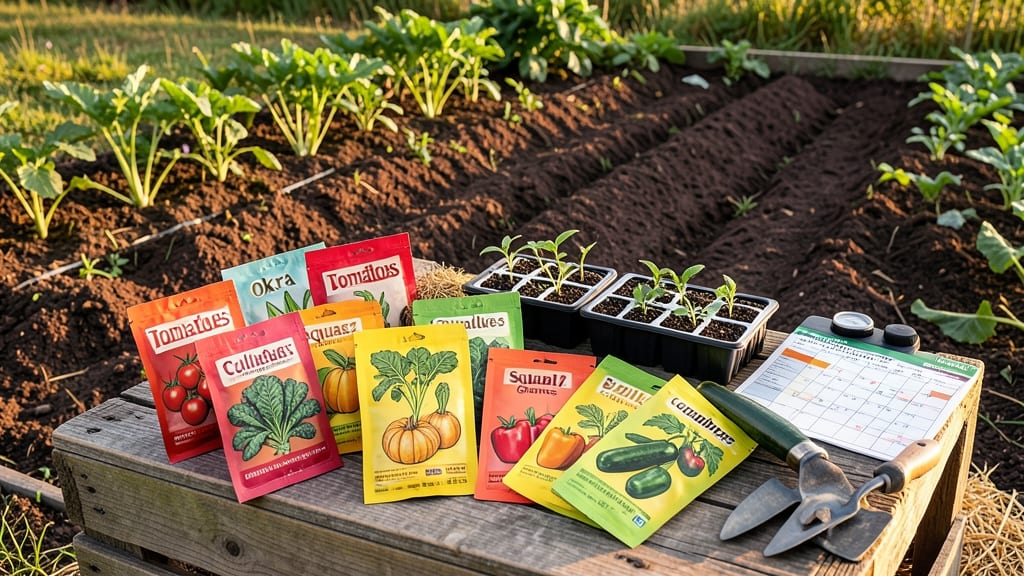
Planting a vegetable garden in Mississippi at the wrong time can mean the difference between a thriving harvest and wilted disappointment—especially with our long, hot summers and unpredictable frost patterns.
Whether you're in the Delta's cooler pockets or the Gulf Coast's balmier climate, getting the timing right is the key to growing everything from okra to collards without fighting Mother Nature.
Most Mississippi gardeners know spring and fall are prime windows, but did you know the exact weeks matter?
Cool-season crops like lettuce and broccoli need to hit the soil 4-6 weeks before your last frost date—typically by late February in the north and as late as March in the south.
Meanwhile, warm-season stars like tomatoes and peppers wait until 2-3 weeks after that last frost, usually April or even May in cooler zones.
This isn't just about avoiding frost—it's about working with Mississippi's 210-240 frost-free days to stretch your growing season. I'll show you how to pinpoint your region's frost dates, choose the right crops for each season, and even extend your harvest with simple tricks like row covers.
Ready to turn your 🌱 vegetable garden into a year-round success?
Let's break down the science behind Mississippi's planting calendar, so you can stop guessing and start growing with confidence—no matter where you are in the state.
Mississippi planting zones: frost dates by region for vegetable success
Mississippi spans USDA Hardiness Zones 6B through 8A, creating distinct planting windows across the state. The Delta region (Zone 7B-8A) enjoys longer growing seasons, while Northern Mississippi (Zone 6B-7A) faces earlier frosts. Understanding these frost-free periods helps you time your cool-season and warm-season crops perfectly for maximum harvests.
In Northern Mississippi (Zones 6B-7A), the average last frost date falls around March 15, while the first frost typically arrives November 15. The Gulf Coast (Zone 8A) can plant year-round with only a brief light frost risk in January.
Central Mississippi (Zones 7A-7B) sits in between, offering a 210-240 day frost-free season—ideal for both spring and fall gardens.
Cool-season crops like lettuce, broccoli, and peas thrive when planted 4-6 weeks before your last frost date. For warm-season crops such as tomatoes, peppers, and okra, wait until 2-3 weeks after the last frost to avoid chilly soil damage. In Zone 8A, you can even plant warm-season crops in late summer for a fall harvest!
| Region | USDA Zone | Last Frost Date | First Frost Date | Cool-Season Planting | Warm-Season Planting |
|---|---|---|---|---|---|
| Northern MS | 6B-7A | March 15 | November 15 | Feb 15 - Mar 15 | Apr 15 - May 15 |
| Central MS | 7A-7B | March 1 | November 30 | Feb 1 - Mar 1 | Mar 20 - Apr 15 |
| Delta MS | 7B-8A | February 28 | December 15 | Jan 15 - Feb 15 | Mar 1 - Apr 1 |
| Gulf Coast MS | 8A | February 15 | December 1 | Dec 15 - Jan 15 | Feb 1 - Mar 15 |
In Northern Mississippi, prioritize early spring planting (February-March) for cool-season crops like kale, spinach, and onions. These plants can handle light frosts and even improve in flavor after exposure to 30-35°F temperatures.
Meanwhile, warm-season crops such as sweet potatoes and okra should wait until mid-April to avoid soil temperatures staying too cool for germination.
The Delta and Gulf Coast regions offer gardeners a unique advantage: year-round planting with minimal frost risk. Here, you can grow warm-season crops like tomatoes and peppers in late summer (August-September) for a fall harvest.
Even cool-season crops like broccoli and cabbage can be planted in December and thrive through mild winters. Just be mindful of humidity levels, which can increase disease risk during Mississippi’s hot, damp summers.
For succession planting, use the 14-day rule: sow new seeds every two weeks for crops like lettuce, radishes, and bush beans. This ensures a continuous harvest and prevents overcrowding.
In Zone 8A, you can even plant winter greens in October for a holiday harvest before the mild winter sets in.
Mississippi’s long, humid summers demand extra care for heat-sensitive crops. Provide afternoon shade for lettuce and spinach in June and July, or opt for heat-tolerant varieties like <
Best vegetables to plant in Mississippi by season (with exact months)
Mississippi’s long growing season (210-240 frost-free days) lets you grow a diverse garden, but timing is everything. Cool-season crops like collards and turnips thrive in spring and fall, while okra and sweet potatoes dominate summer. The key?
Planting at the right month—not just season—to avoid heat stress or frost damage. I’ll break down the exact months for Mississippi’s top vegetables, including succession planting tips to keep your garden productive year-round.
For cool-season crops, start seeds indoors 6-8 weeks before your last frost date (typically late February for North Mississippi, March for the Gulf Coast). Transplant seedlings 4-6 weeks before frost, usually by early March in cooler zones.
Warm-season crops like tomatoes and peppers wait until 2-3 weeks after last frost (mid-April to early May), while heat-loving okra can handle direct sowing as early as April 15 in most regions. Fall planting mirrors spring, with August being prime for cool-season crops to mature before frost.
- 1
- 2
- 3
- 4
- 5
- 6
Late Feb - Early Mar: Broccoli, Cabbage, Collards, Lettuce, Spinach, Turnips
Mid-Mar - Early Apr: Onions (from seed), Potatoes, Peas
Late Apr - Early May: Tomatoes, Peppers, Okra, Sweet Corn, Eggplant
Jun - Jul: Okra, Southern Peas, Sweet Potatoes, Summer Squash
Late Jul - Early Aug: Broccoli, Cabbage, Collards, Kale, Lettuce, Spinach
Sep - Early Oct: Radishes, Turnips, Mustard Greens, Arugula
Mississippi’s okra is a summer staple, but did you know it thrives when planted after Memorial Day? Varieties like Clemson Spineless handle our heat and produce prolifically when sown April 15–June 1.
For tomatoes, choose heat-tolerant types like Celebrity or Solar Fire and plant transplants in late April to early May—earlier plantings often suffer from blossom drop in summer heat. Collards, a Mississippi classic, can be direct-sown in late summer (August) for a fall harvest, or started indoors in February for spring greens.
Don’t overlook succession planting—it’s the secret to a continuous harvest. For example, sow bush beans every 2 weeks from May to July to enjoy fresh pods all summer. Similarly, lettuce and spinach can be sown in fall and early spring for multiple cuttings.
Even sweet potatoes, typically planted in May, benefit from staggered plantings to extend harvest windows. My 🌱 garden stays productive year-round with this strategy!
Heat is the biggest challenge in Mississippi’s summer garden, so shade cloth and mulch are your best friends. For fall crops, start seeds indoors in July to transplant outdoors in August, giving them enough time to mature before first frost (mid-November).
If you’re in South Mississippi (Zone 8), you can even squeeze in a winter garden with cold-hardy greens like kale and mustard, planted in October and harvested until February. The trick? Use row covers to protect tender plants from light frosts.
Pro tip: Keep a planting journal to track what works in your specific microclimate. For instance, North Mississippi’s cooler springs may need earlier cool-season plantings than the Gulf Coast.
By aligning your schedule with these month-by-month guidelines, you’ll turn Mississippi’s extreme heat and humidity into an advantage—not an obstacle. Ready to 🌿 plan your perfect season?