
Planting
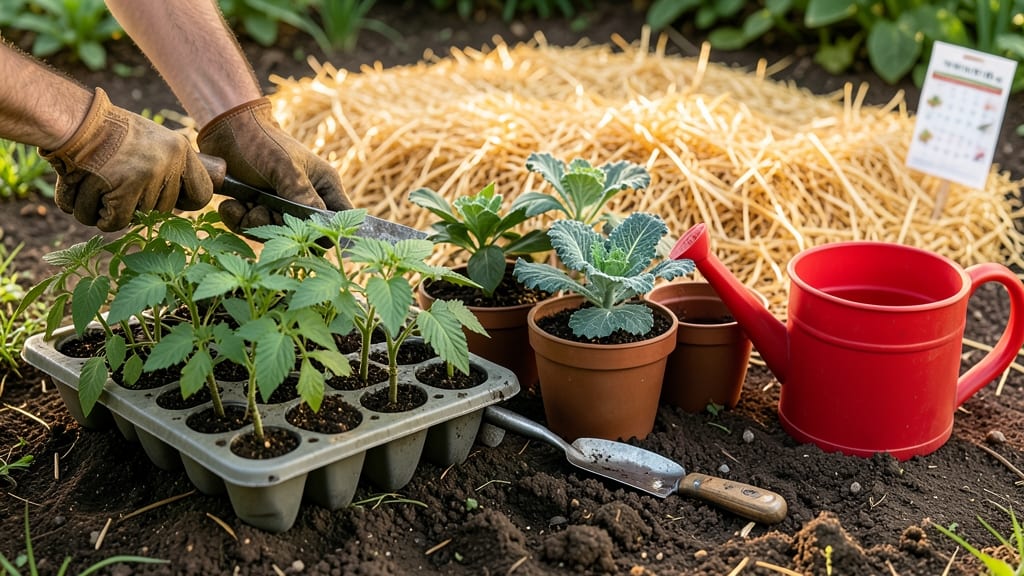
Timing when to plant a vegetable garden in North Carolina isn't just about avoiding frost—it's about unlocking the full potential of your 🌱 harvests in Zones 7b-8a. Whether you're in the Coastal Plain, Piedmont, or Mountains, planting too early or too late can mean the difference between a thriving garden and a disappointing one.
I've spent years watching how NC's unique climate—with its mild winters and humid summers—plays a crucial role in what grows best. The key isn't just knowing when frost hits; it's understanding how to work with your local microclimate to extend your growing season and choose the right cold-hardy varieties.
In this guide, I'll show you exactly when to plant for maximum success, from early spring greens to late-summer tomatoes. You'll discover month-by-month planting windows tailored to NC's regions, plus strategies to protect your crops when temperatures dip unexpectedly.
Ready to transform your garden into a year-round food factory? Let's dive into the perfect planting schedule that will have you harvesting like a pro all season long.
North Carolina planting calendar: month-by-month guide for Zones 7b-8a
North Carolina’s diverse microclimates mean your planting schedule should differ whether you’re in the Coastal Plain, Piedmont, or Mountains. The key is aligning your planting with average frost dates and soil temperature thresholds—typically 50°F for cool-season crops and 60°F+ for warm-season plants.
Coastal areas (Zone 8a) enjoy longer growing seasons, while Mountain regions (Zone 7b) face earlier frosts.
For cool-season crops like spinach, kale, and broccoli, aim to plant 6-8 weeks before your last frost date.
In the Piedmont, this often means early March, while Coastal NC gardeners can start as early as mid-February. Warm-season crops like tomatoes and peppers need to wait until after your last frost and when soil temps hit 65°F+, usually mid-April to May depending on your region.
| Month | Cool-Season Crops (Spinach, Kale, Broccoli) | Warm-Season Crops (Tomatoes, Peppers, Cucumbers) | Soil Temp Requirement | Microclimate Notes |
|---|---|---|---|---|
| February | Start seeds indoors (Coastal: Yes, Piedmont: Limited, Mountains: No) | None | 45-55°F | Coastal: Frost risk low; Mountains: Wait until March |
| March | Direct sow outdoors (Coastal: Early March, Piedmont: Mid-March, Mountains: Late March) | Start seeds indoors | 50°F+ | Piedmont: Frost possible until April 15; Mountains: Wait until April |
| April | Succession plant every 2 weeks | Transplant seedlings (after last frost) | 60°F+ | Coastal: Last frost ~April 1; Mountains: Last frost ~April 20 |
| May | Late plantings for fall harvest | Direct sow cucumbers, squash | 65°F+ | All regions: Heat stress risk; mulch heavily |
| June-July | None (bolting risk) | Succession plant beans, peas | 70°F+ | Coastal: Humidity increases; use shade cloth |
| August | Start fall crops (Coastal: Late Aug, Piedmont: Early
Best cold-hardy vegetables for NC gardens: what to grow in early spring and fallNorth Carolina’s mild winters and humid springs create perfect conditions for growing cold-hardy vegetables. These varieties thrive when temperatures dip below 60°F, giving you bountiful harvests in early spring and fall. Unlike heat-loving crops, these cool-season vegetables actually sweeten when exposed to frost, making them ideal for NC’s USDA Zones 7b-8a. Choosing the right cold-hardy vegetables means longer harvest windows and fewer pests. My top picks focus on hardiness, yield potential, and ease of growth—perfect for beginners and seasoned gardeners alike. Whether you’re planting in March or September, these varieties will deliver. 1
‘Winterbor’ Kale (Cold Tolerance: 20°F) – Plant depth: ½ inch, Spacing: 12-18 inches apart. This dark green variety thrives in cool weather and becomes sweeter after frost. Harvest outer leaves to encourage regrowth.
2
‘Carolina Gold’ Collards (Cold Tolerance: 15°F) – Plant depth: ¼ inch, Spacing: 12-18 inches apart. A heat-tolerant Southern favorite that flourishes in fall. Cut-and-come-again harvests work best for continuous yields.
3
‘Blue Lake’ Bush Beans (Cold Tolerance: 30°F) – Plant depth: 1 inch, Spacing: 4-6 inches apart. These compact beans produce sweet pods even in late spring or early fall. Ideal for small gardens or containers.
4
‘Ruby Streak’ Radishes (Cold Tolerance: 25°F) – Plant depth: ½ inch, Spacing: 2 inches apart. Fast-growing and crunchy, these red-and-white radishes are ready in 25 days. Perfect for succession planting every 2 weeks.
5
‘Broccoli Crown’ Hybrid (Cold Tolerance: 20°F) – Plant depth: ½ inch, Spacing: 18-24 inches apart. This high-yielding variety produces tight heads and side shoots. Start seeds indoors 6-8 weeks before last frost.
For early spring planting, aim to sow seeds 4-6 weeks before your average last frost date (typically mid-March in most of NC). In fall, plant 8-10 weeks before the first frost (usually late September in the Piedmont or early October in the Mountains). Pro tip: Use row covers or cold frames to extend harvests into winter. These simple tools can protect tender greens from light frosts while still allowing sunlight to reach your plants. Just remove covers during the day to prevent overheating. Don’t forget to amend your soil with compost before planting. Cold-hardy vegetables thrive in well-draining, nutrient-rich soil with a pH of 6.0-7.0. A balanced fertilizer (like 10-10-10) at planting time gives them a strong start for long harvests. With these top cold-hardy varieties, you’ll enjoy fresh, homegrown vegetables well beyond the typical summer growing season—proving that NC’s mild climate is perfect for year-round gardening. Happy planting! 🌱 |