
Planting
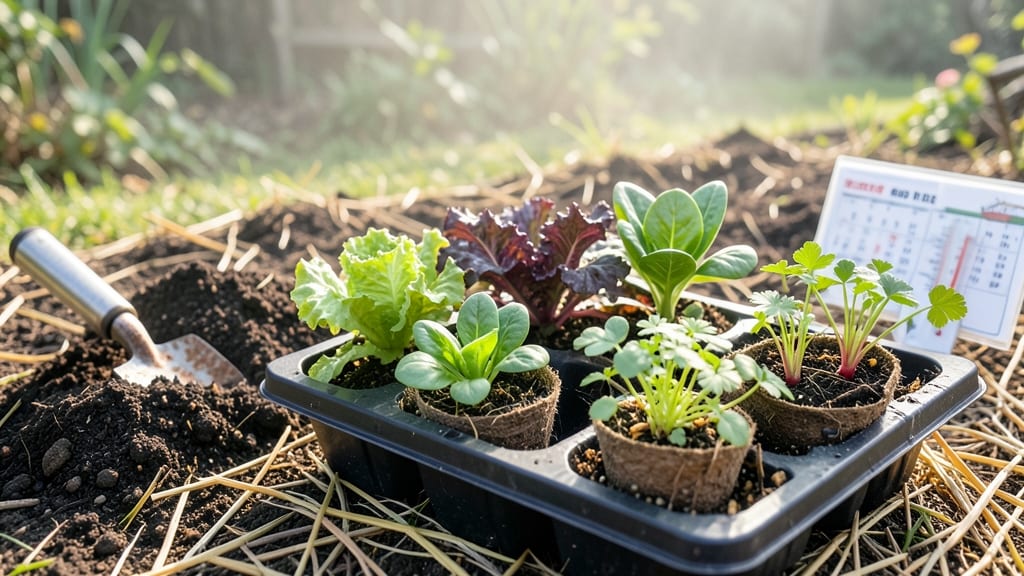
Timing when to plant a vegetable garden in New Brunswick can feel like guessing when the last frost will finally lift—but get it right, and you’re looking at a harvest that’ll make your neighbors jealous.
With USDA Zone 5b conditions, the window between April’s lingering cold snaps and October’s early frosts is tight, and planting too early or late can leave you with sad, stunted plants instead of a thriving garden.
Most gardeners here know the struggle: you rush to plant tomatoes after the mid-April frost warning passes, only to have them wilt when a surprise freeze hits in May. The solution?
A smart planting calendar that accounts for New Brunswick’s 150 frost-free days and the fact that coastal areas warm up faster than inland spots. I’ve broken down the exact timing for everything from hardy greens to heat-loving peppers—so you can avoid the “too soon, too late” trap.
Cool-season crops like peas and spinach can actually handle a light frost, while tomatoes and peppers need the soil to stay warm for weeks.
That’s why I’ll show you how to stretch your growing season with simple tricks—like using row covers or choosing fast-maturing varieties—that work perfectly in Zone 5b. No more guessing, just a foolproof plan to turn your garden into the green envy of the neighborhood.
Ready to dig in? Let’s map out your planting schedule step by step, so you can start sowing with confidence and end the season with a bounty of fresh, homegrown veggies.
Whether you’re a first-time gardener or a seasoned pro, these tips will help you make the most of New Brunswick’s short but sweet growing window.
New Brunswick’s USDA Zone 4b planting calendar: exact dates for vegetables by frost sensitivity
New Brunswick’s Zone 4b climate means we only have about 150 frost-free days—so getting your vegetable planting timeline right is non-negotiable. The average last frost date is May 15, while the first frost typically hits September 20.
This narrow window forces us to strategize carefully, especially when balancing cool-season crops (like kale and peas) with warm-season staples (tomatoes, peppers, and beans).
I’ve broken down the exact planting dates for your garden, organized by frost sensitivity and crop maturity. Whether you’re growing 30-day radishes or 90-day tomatoes, this schedule keeps you ahead of New Brunswick’s unpredictable weather.
Pro tip: Always check your local microclimate—coastal areas like Saint John may have slightly earlier last frosts than inland Fredericton.
🌱 Key Rule: Cool-season crops go in 4-6 weeks before last frost, while warm-season crops wait until 2 weeks after last frost. This ensures your plants aren’t fried by late spring freezes or stunted by early autumn chills.
| Crop Type | Planting Window | Maturity Days | Example Varieties | Notes for NB |
|---|---|---|---|---|
| Cool-Season (Direct Sow) | April 1 – May 15 | 30–60 days | Radishes, Spinach, Lettuce, Peas | Use row covers for early starts. |
| Cool-Season (Transplant) | April 15 – May 1 | 60–90 days | Broccoli, Cabbage, Kale, Brussels Sprouts | Hardy to light frost; protect with mulch. |
| Warm-Season (After Frost) | May 30 – June 15 | 60–75 days | Tomatoes, Peppers, Eggplant | Start indoors March 1 for transplants. |
| Warm-Season (Direct Sow) | June 1 – June 15 | 50–60 days | Beans, Corn, Cucumbers, Zucchini | Choose fast-maturing varieties. |
| Fall Cool-Season | July 15 – August 15 | 45–60 days | Spinach, Lettuce, Radishes, Turnips | Sow 8 weeks before first frost. |
For 30-day crops like radishes or lettuce, you can even squeeze in two plantings: one in early April and another in late July. These quick growers thrive in both spring and fall, giving you double the harvest with minimal space.
I’ve planted ‘Cherry Belle’ radishes twice this way, and they’ve never disappointed—even when temperatures dipped into the 40s°F.
If you’re growing 60-day crops like broccoli or cabbage, aim for a May 1 transplant. These plants need time to establish roots before autumn’s chill sets in.
In my garden, I’ve found that ‘Waltham 29’ broccoli holds up well to light frosts if covered with a frost blanket—a lifesaver for Zone 4b gardeners.
For 90-day crops such as tomatoes and peppers, your window is tighter. Plant transplants after May 30, and choose early-maturing varieties like ‘Early Girl’ tomatoes or ‘Jalapeño M’ peppers. These varieties can often ripen before the first frost if given ideal conditions.
I’ve also experimented with black plastic mulch to warm the soil faster—it’s made a noticeable difference in my tomato yields.
Don’t forget about succession planting! For crops like bush beans or lettuce, sow new seeds every 2–3 weeks after your initial planting. This ensures a steady supply of fresh produce instead of a single overwhelming harvest.
In my experience, ‘Blue Lake’ bush beans planted in late May and again in early July give me beans from July through September.
One final tip: Always keep an eye on your soil temperature. Warm-season crops like tomatoes need soil at 60°F or warmer to germinate. If your soil is still chilly in late May, consider using black plastic mulch or a soil warming mat to speed things up.
I’ve seen seedlings struggle when planted in 50°F soil, even if air temperatures are mild.
With this Zone 4b planting calendar, you’ll avoid the heartbreak of frost-nipped seedlings or underripe tomatoes. Stick to these dates, and you’ll enjoy a garden that thr
How to extend your New Brunswick growing season: 5 proven strategies for earlier starts and later harvests
New Brunswick’s USDA Zone 4b climate means we only get about 150 frost-free days—but with the right tricks, you can turn that into a longer, more productive growing season.
The key is combining smart planning with protective tools to shield your plants from late spring frosts and early fall chills. I’ve tested these strategies in my own garden, and they’ve helped me harvest tomatoes in October and spinach in May—something I never thought possible!
One of the biggest mistakes I see is planting warm-season crops like peppers and tomatoes too early, only to have them nipped by frost. Instead, focus on cold-hardy varieties and extend your season with low-tech solutions.
For example, a simple row cover can add 4-6°F of protection, while a cold frame can keep soil temperatures warm enough to start seeds weeks earlier. Let’s dive into the five tactics that work best in my garden—and will work for yours too.
5 Ways to Extend Your New Brunswick Growing Season
- 1 Use cold frames or mini greenhouses to start seeds 4-6 weeks earlier than outdoor planting dates. My cold frame keeps soil at 50°F+, perfect for cabbage and broccoli seedlings.
- 2 Cover crops with row covers (like frost blankets) to protect from late frosts. I’ve kept spinach and kale growing until November this way!
- 3 Choose fast-maturing varieties—look for 30-60 day harvest times for tomatoes, beans, and greens. Varieties like ‘Early Girl’ tomatoes or ‘Sugar Ann’ peas thrive here.
- 4 Practice succession planting—sow radishes every 2 weeks or lettuce every 3 weeks to ensure a continuous harvest. This keeps your garden productive from May to October.
- 5 Plant heat-tolerant crops like Swiss chard, bush beans, and zucchini—they handle New Brunswick’s summer heat waves better than traditional varieties.
When selecting cold-hardy vegetables, prioritize crops like kale, peas, and radishes, which can handle 20°F+ temperatures. These are my go-tos for early spring and late fall.
For warm-season crops, opt for fast-maturing tomatoes (like ‘Stupice’) or bush beans (‘Contender’), which can go from seed to harvest in 50-60 days. I’ve even grown cucumbers under row covers in my garden—something I never thought possible!
One of my favorite tricks is using black plastic mulch to warm the soil faster in spring. It raises soil temperatures by 5-10°F, which helps warm-season crops like peppers and eggplants get a head start.
Pair this with a row cover, and you’ve got a protected microclimate that extends your season by 3-4 weeks on either end.
Don’t forget about succession planting—it’s the secret to a never-ending harvest. For example, I plant bush beans every 2 weeks from June to July, ensuring fresh pods until early September.
The same goes for lettuce and radishes: a little planning now means homegrown greens all summer.
With these strategies, you can turn New Brunswick’s short season into a long, productive growing window. Start small—try one or two tactics this year—and watch your harvests stretch from early May to late October. Happy gardening!