
Planting
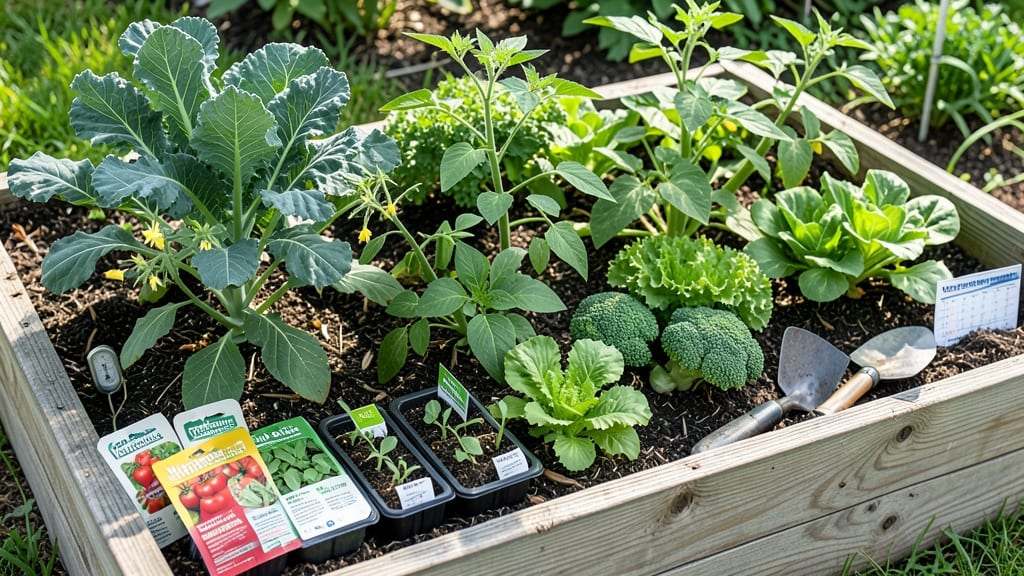
Planting your vegetable garden 🥕 at the wrong time in Oklahoma can mean the difference between a bumper crop and a sad, wilted disappointment—especially when temperatures swing from icy mornings to scorching afternoons.
The key to success isn’t just knowing when to plant, but understanding how Oklahoma’s 6a-8a zones and unpredictable frost dates shape your growing window.
Most gardeners in Oklahoma have two main planting windows: late winter to early spring, and late summer to early fall. But without the right timing, even hardy crops like tomatoes or peppers can struggle.
I’ll break down exactly when to start seeds indoors, when to transplant, and how to adjust for your specific corner of the state—whether you’re in the cooler Panhandle or the warmer southeast.
You’ll also discover how to extend your growing season with simple tricks like row covers and heat-tolerant varieties, so you can enjoy fresh veggies from spring through fall. No more guessing—just a clear, step-by-step plan tailored to Oklahoma’s unique climate.
Ready to turn your garden into a thriving harvest? Let’s get started with the perfect planting schedule for your Oklahoma vegetable garden.
Oklahoma’s planting zones: when to start seeds vs. transplants by month
Oklahoma’s diverse climate—from the humid east to the arid panhandle—means planting timelines vary dramatically across the state. Understanding your USDA Zone (6a-8a) and last frost dates (March 1–April 15) is key to avoiding frost damage or wasted effort.
For example, Oklahoma City (Zone 7b) has a 10-day earlier last frost than the panhandle, delaying warm-season crops by weeks.
Cool-season crops like lettuce and peas thrive in Oklahoma’s spring (March–April) and fall (August–September) windows, while tomatoes and peppers need soil temperatures above 60°F—typically mid-April to early May in most regions. Seed-starting indoors 6–8 weeks before transplanting gives you a head start on the 150–220 frost-free days Oklahoma offers.
For cool-season vegetables, like kale and spinach, start seeds indoors in February (or direct-sow in March) for an early spring harvest.
In Zone 6a (northwest OK), wait until April 1 to avoid frost—while Zone 8a (southwest OK) can handle February sowings under row covers. Transplant seedlings 2–3 weeks before your last frost date for a smoother transition.
Warm-season crops demand patience. Tomatoes and peppers need warm soil (70°F+), so hold off until after May 1 in cooler zones like Tulsa. In drought-prone areas (e.g., Panhandle), opt for drought-resistant varieties like ‘Heatmaster’ tomatoes or ‘Arkansas Traveler’ okra.
Always harden off seedlings for 7–10 days before transplanting to prevent shock.
Oklahoma’s fall planting (August–September) is a hidden gem. Broccoli and carrots thrive in cooler temps, and first frost arrives October 15–November 15.
Use black plastic mulch to warm soil early or row covers to extend harvests into December in milder zones like Lawton. Succession planting every 2 weeks ensures a steady supply of lettuce or radishes.
Urban gardeners in Oklahoma City face unique challenges like heat islands and limited space.
Container gardening works well for bush beans and peppers, while raised beds warm up faster in spring. Soil temperature probes (or the back-of-hand test) confirm readiness—soil should feel warm, not cold before planting warm-season crops.
In rural areas, larger plots allow for crop rotation to manage soil health.
Pro tip: Track your local frost dates for 3 years to adjust timelines.
For instance, 2022’s late April frost in Tulsa caught many off guard. Plant heat-loving crops like sweet potatoes after June 1 to avoid bolting. Succession plant bush beans every 2 weeks from May to August for continuous harvests.
Don’t overlook microclimates. A south-facing wall can add 10°F warmth to your garden, letting you plant <
How to use Oklahoma’s heat Zone map to extend your growing season
Oklahoma’s USDA Hardiness Zones 6-8 overlap with unique heat zones that can confuse even experienced gardeners. While your zone might be 7a in eastern Oklahoma, the heat intensity in the southwest (like Zone 8b) creates a completely different growing environment.
Understanding these microclimates lets you push your planting windows earlier or later—sometimes by 4-6 weeks—without risking frost or heat stress.
The key is pairing your USDA zone with Oklahoma’s heat zone designations, which measure how long summer temperatures stay above 86°F (30°C). Eastern Oklahoma might have 30-60 days of extreme heat, while the Panhandle can hit 90+ days.
This difference determines which heat-tolerant crops you can grow year-round and when to use season-extending tools like row covers or cold frames.
To extend your growing season, start by warming your soil in early spring. Lay down black plastic mulch 2-3 weeks before planting to raise soil temperatures by 10-15°F. For fall crops, use straw mulch to insulate roots and delay frost damage.
In Zone 8b areas, you can even grow winter squash or kale year-round with minimal protection.
Rotate heat-tolerant crops like okra, sweet potatoes, and cowpeas to keep your soil productive during peak summer. These plants thrive in 90°F+ temperatures and help suppress weeds naturally. Pair them with shade-loving greens (like Swiss chard) planted under trellised vines to maximize space and microclimate control.
Monitor your local heat zone using the Oklahoma Mesonet website for real-time soil and air temperatures. Adjust your watering schedule—deep watering every 2-3 days in summer prevents root stress, while drip irrigation reduces water waste by 30-50% compared to overhead sprinklers.
With these strategies, you’ll turn Oklahoma’s extreme heat into an advantage for a longer harvest.
🌱