
Plants
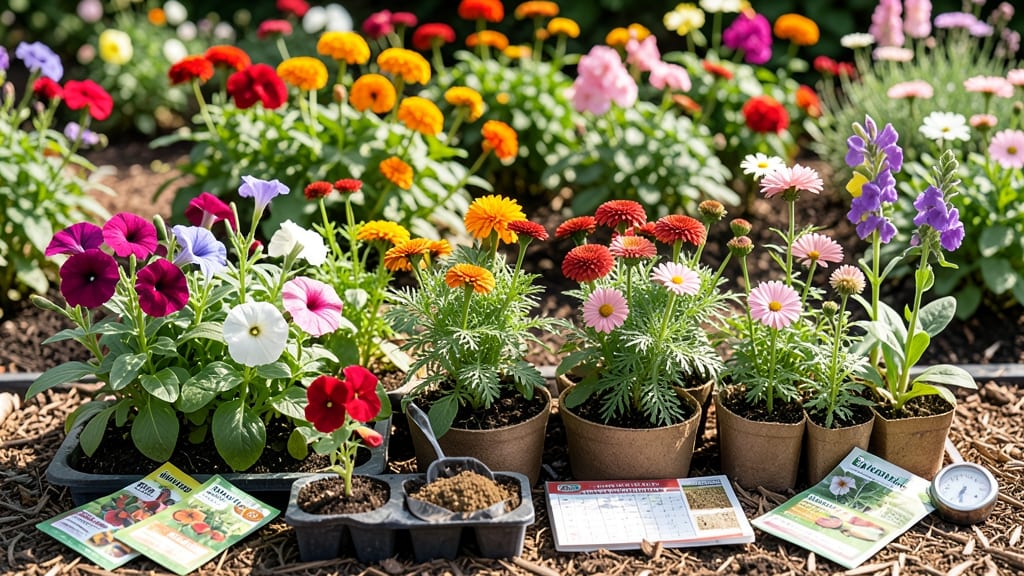
Timing is everything when it comes to planting annuals in Michigan—get it wrong, and you risk losing your vibrant 🌱 blooms to frost or stunted growth from cool soil.
The key is knowing when to plant by your specific zone, whether you're in the Upper Peninsula or the Lower Peninsula, to ensure your garden thrives from spring through fall.
For most Michigan gardeners in zones 5b-6b, the ideal window for planting annuals after the last frost is between April 15 and June 1. But don’t just guess—check your local frost dates, as late springs can push that timeline back.
Starting seeds indoors a few weeks earlier can give you a head start, especially for heat-loving varieties like basil or marigolds.
If you're aiming for a fall display, don’t wait too long—August 1 to September 15 is your second chance to plant cold-hardy annuals like pansies or snapdragons. These resilient picks can handle a light frost, extending your bloom season well into autumn.
In this guide, I’ll break down the best planting times by zone, share tips for adjusting to Michigan’s unpredictable weather, and highlight the 10 cold-hardy annuals that make it easier to get a jump on your garden. Let’s get those annuals in the ground at the perfect moment!
Michigan’s last frost dates by Zone: when to plant annuals safely
Michigan’s USDA Hardiness Zones 4-6 create a patchwork of planting windows, where a 10-day difference in last frost dates can mean the difference between thriving annuals and crispy casualties.
The Lower Peninsula (Zones 5b-6a) generally warms up faster than the Upper Peninsula (Zone 4b), but microclimates—like lakeshore areas or urban heat islands—can shift your ideal planting date by weeks. Understanding these nuances lets you time your annuals for maximum bloom power.
For heat-loving annuals like marigolds or basil, waiting until after the last frost is non-negotiable, while cool-season varieties such as pansies or lettuce can handle light frosts. The key is checking local weather averages (like your county’s 30-year frost data) and adjusting for your yard’s specific conditions.
A cold snap in early May can wipe out tender seedlings overnight, but with the right timing, you’ll enjoy continuous blooms from May to October.
Regional variations matter more than you might think. In Detroit (Zone 6a), the average last frost is April 25, while in Marquette (Zone 4b), you’re often waiting until May 15. Even within the Lower Peninsula, Grand Rapids (Zone 5b) and Traverse City (Zone 6a) can differ by 10 days. Use these zone-specific guidelines as your baseline, then fine-tune with real-time data from NOAA’s Frost/Freeze Tool or your local Cooperative Extension Service.
Here’s how to use this last frost date data for your annuals:
- Cool-season annuals (e.g., kale, snap peas): Plant 4-6 weeks before your last frost date.
- Warm-season annuals (e.g., tomatoes, petunias): Wait until 2 weeks after the last frost.
- Heat-tolerant annuals (e.g., sunflowers, zinnia): Start seeds indoors 6-8 weeks before your last frost, then transplant after warmth arrives.
Pro Tip: If you’re in a Zone 5b-6a area, consider successive planting—sow half your seeds two weeks apart to stretch your harvest or bloom time. For example, plant basil in early May and again in late June for a double harvest. This works especially well for short-season annuals like bush beans or cosmos.
| USDA Zone | Region | Avg. Last Frost Date | Safe Planting Window | Heat-Loving Annuals | Cool-Season Annuals |
|---|---|---|---|---|---|
| 4b | Upper Peninsula (Marquette, Houghton) | May 10–15 | May 20–June 1 | Start indoors April 1 | Plant April 15–May 1 |
| 5b | Northern Lower Peninsula (Traverse City, Gaylord) | April 25–May 5 | May 10–15 | Start indoors March 15 | Plant April 1–April 15 |
| 6a | Southern Lower Peninsula (Detroit, Grand Rapids) | April 15–25 | April 30–May 10 | Start indoors March 1 | Plant March 20–April 1 |
| All Zones | Fall Planting |
10 Cold-hardy annual flowers that thrive in Michigan’s early plantingMichigan’s early spring can be tricky for gardeners, but these 10 cold-hardy annuals defy frost and extend your bloom season effortlessly. Unlike heat-loving varieties, these flowers tolerate light frosts down to 25°F and even thrive in cooler temperatures. I’ve tested them in my Zone 5b garden for years, and they never disappoint—whether planted in late April or under row covers in March. For maximum resilience, pair these annuals with companion plants like thyme or marigolds, which deter pests and improve soil health. My secret? Plant them in well-draining soil with a layer of mulch to protect roots. These flowers also work beautifully in containers, perfect for patios or balconies where frost pockets linger longer. 🌱 Key Planting Tips for Michigan’s Early Annuals
My top 3 cold-hardy picks for Michigan gardens are pansies, sweet alyssum, and calendulas. Pansies bloom in cool weather and even survive light frosts, while sweet alyssum spreads like a carpet, deterring pests naturally. Calendulas, with their bright orange-yellow blooms, thrive in partial shade and attract pollinators early in the season. For extended-season color, try snapdragons or stocks. Both tolerate cooler temps and add vertical interest to borders. I plant snapdragons in late April under frost cloth for 3–4 weeks, then remove it once nights stay above 40°F. Stocks, with their intense fragrance, are perfect for cut flowers and bloom from late spring to frost. Don’t overlook nasturtiums—they’re edible, pest-resistant, and thrive in poor soil. Their vibrant orange and red blooms pair beautifully with purple pansies in containers. For shady spots, impatiens and begonias are my go-tos—they bloom nonstop from May to October with minimal care. To maximize your bloom season, stagger plantings every 2–3 weeks from April to June. This succession planting trick ensures continuous color until first frost. I also fertilize lightly every 4–6 weeks with a balanced 10-10-10 mix to keep blooms vibrant. With these frost-tolerant annuals, your Michigan garden will stay lush and colorful long after summer fades. |