
Flowers
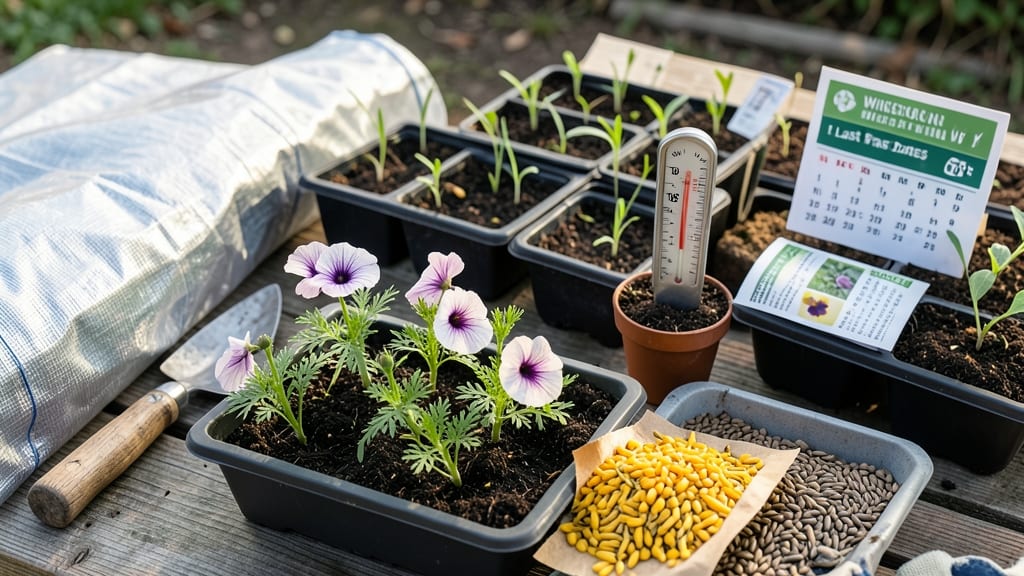
Planting your 🌸 flower seeds at the wrong time in Wisconsin could mean the difference between a garden bursting with color and a sad, frost-killed disappointment.
The secret to success lies in knowing exactly when to sow those seeds—whether you're in chilly Zone 4b or milder 6a—so you can avoid the heartbreak of watching your hard work wither before it even blooms.
Wisconsin’s unpredictable spring weather makes timing everything. Too early, and a late frost will nip your seedlings in the bud. Too late, and you’ll miss the full growing season.
The key is understanding your local frost dates, soil temperatures, and which flower seeds thrive in your specific microclimate—whether that’s a sun-drenched urban garden or a cooler lakeside plot.
In this guide, I’ll break down the exact planting windows for your region, from cool-season favorites like pansies to heat-loving annuals like marigolds.
You’ll also discover practical tips for extending your growing season with cold frames, row covers, and smart succession planting—so you can enjoy blooms from May through October without the guesswork.
Whether you’re a first-time gardener or a seasoned pro, these insights will help you plant with confidence. Let’s get those 🌸 flower seeds in the ground at the perfect moment for a showstopping garden!
Wisconsin last frost dates by Zone: exact planting windows for flower seeds
Wisconsin’s diverse climate zones (3a-5a) create unique challenges for gardeners. Getting your flower seed timing wrong can mean the difference between a lush summer garden and wasted seeds. The average last frost dates shift dramatically from northern to southern Wisconsin, so knowing your USDA zone is critical.
For example, Zone 3a (northern Wisconsin) has a last frost around May 15, while Zone 5a (southern Wisconsin) typically sees its last frost by April 20. This variation affects when you can safely plant cool-season flowers like pansies versus warm-season favorites such as marigolds.
Microclimates add another layer of complexity. Urban areas like Milwaukee can be 2-3°F warmer than rural zones due to the heat island effect, while lakeside gardens near Green Bay may experience delayed frost dates. Even a south-facing slope can warm up faster than a north-facing yard.
Understanding these nuances helps you adjust planting windows by up to 2 weeks earlier or later depending on your specific location. For 2024, early forecasts suggest slightly earlier last frosts in northern zones due to warmer winter patterns, but always verify with local National Weather Service updates.
🌱
| Zone (Hardiness) | Average Last Frost Date (Spring) | First Frost Date (Fall) | Best Seeds for Early Planting (Before Last Frost) | Best Seeds for After Last Frost | Microclimate Adjustments |
|---|---|---|---|---|---|
| Zone 3a (Northern WI: Superior, Rhinelander) | May 15 (±5 days) | September 25 (±5 days) | Pansies, Snapdragons, Sweet Peas, Calendula | Marigolds, Zinnias, Sunflowers, Cosmos | Add 2 weeks to frost dates near lakes (cooler); subtract 1 week in urban areas. |
| Zone 4a (Central WI: Madison, Wausau) | May 1 (±4 days) | October 5 (±4 days) | Violas, Larkspur, Stock, Alyssum | Petunias, Geraniums, Black-Eyed Susans, Coneflowers | Urban areas: plant warm-season seeds 5 days earlier; rural: wait 3 days later. |
| Zone 4b (South-Central WI: Milwaukee, Janesville) | April 25 (±4 days) | October 10 (±4 days) | Sweet Alyssum, Stock, Pansies, Dianthus | Marigolds, Dahlias, Snapdragons, Zinnias | Heat islands: plant marigolds 7 days earlier; shaded yards: delay warm-season seeds 5 days. |
| Zone 5a (Southeastern WI: Kenosha, Fond du Lac) | April 20 (±3 days) | October 15 (±3 days) | Primroses, Sweet Peas, Calendula, Larkspur | Petunias, Geraniums, Sunflowers, Cosmos | Lakeside gardens: extend fall planting 10 days; urban heat: plant tender annuals 1 week earlier. |
| Zone 5b (Extreme SW WI: Prairie du Chien) | April 15
How to extend your Wisconsin flower season: cold frames, row covers, and succession plantingWisconsin’s short growing season doesn’t have to limit your flower displays. With the right techniques, you can push blooms earlier in spring or later into fall, creating a longer, more vibrant garden. I’ve tested these methods in my own Zone 4b garden, and they’ve added 4-6 weeks of color to my beds. The key is combining season-extending tools with smart planting schedules. Cold frames and row covers aren’t just for vegetables—they work wonders for flowers too. For example, my snapdragons started blooming in early May (instead of June) when I used a cold frame, and my zinnias lasted until early October with row covers. The secret lies in understanding when to use each tool and which flowers respond best. 3 Ways to Extend Your Wisconsin Flower Season
1
Cold Frame Magic: Add 2-4 Weeks to Spring Planting
Use unheated frames for hardy annuals like calendula and bachelor’s buttons 4-6 weeks before last frost. Protect sweet peas and pansies until soil warms to 45°F. 2
Row Cover Hacks for Heat-Lovers
Remove covers during daytime in May to acclimate zinnias and sunflowers. Replace at night until June 1 to prevent frost damage while allowing sunlight. 3
Succession Planting Calendar
Plant cosmos every 2 weeks from May 15–July 15 for nonstop blooms. For marigolds, stagger plantings every 3 weeks to extend harvest. Don’t overlook hardening-off techniques when starting seeds indoors. My petunia seedlings struggled their first year because I rushed the process—now I follow a 4-6 week timeline with gradual exposure to outdoor conditions. Begin by placing trays outside for 1-2 hours on mild days, then increase exposure daily. This prepares them for transplanting 2 weeks before last frost. For fall-blooming flowers, focus on varieties like asters and chrysanthemums. Plant seeds indoors in late July and transplant outdoors in early August. Use row covers again in September to protect them from early frosts. I’ve had mums bloom until November 1 using this method! Remember, microclimates matter. Gardens near lakes or in urban areas may have 2-3 weeks longer growing seasons. Test your conditions by planting test crops like radishes (fast-growing) in early spring to gauge your local frost dates. With these strategies, you’ll enjoy continuous color from early spring to late fall—no matter where you garden in Wisconsin. |