
Plants
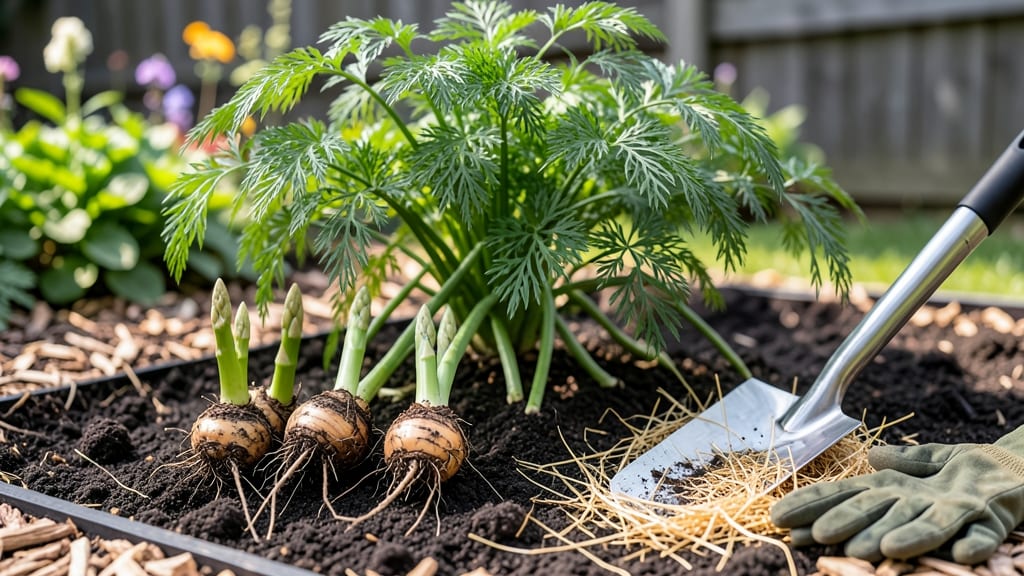
Planting asparagus in Alabama isn't just about the calendar—it's about soil temperature, and getting it wrong could mean waiting 3 years for your first harvest.
While most gardeners rush to dig in by March, the real magic happens when the ground warms to 40-50°F, signaling the perfect moment for those 🌱 crowns to take root.
Here's the catch: Alabama's 7a-8b zones mean your neighbors in Huntsville and Mobile might need different strategies. Too early, and frost will nip your tender shoots; too late, and your asparagus will play catch-up for years.
I'll show you exactly how to read your soil's signals and adjust for your specific corner of the state.
What you'll discover is that timing isn't just about months—it's about microclimates, soil prep, and even last year's weather patterns. We'll cover the 3-phase planting window that separates successful gardeners from the frustrated ones who give up after year one.
Ready to plant with confidence? Let's dive into the soil secrets that will have your asparagus thriving by next spring—no guesswork required.
Optimal Alabama asparagus planting dates by soil temperature (not calendar months)
Forget memorizing calendar months—soil temperature is the real secret to planting asparagus in Alabama. This perennial veggie needs consistent 40-50°F soil to root properly, not just frost-free air.
In Alabama’s USDA zones 7a-8b, that means timing varies by North vs. South—where a Huntsville garden might risk frost in early March while Mobile soils warm weeks earlier.
I’ve planted asparagus for over a decade in Alabama, and I’ve learned the hard way: planting too early (when soils are still chilly) stunts crowns, while waiting too late delays harvests by years. The sweet spot? A 3-phase planting window that accounts for Alabama’s microclimates and soil warming patterns.
Why soil temp matters: Asparagus crowns need active root growth to establish before shoots emerge. Below 40°F, roots stall; above 50°F, they thrive. Alabama’s black clay soils (common in the north) warm slower than sandy loams (south), creating a 3-week difference in ideal planting dates between regions.
Here’s the Alabama-specific breakdown of when to plant asparagus based on soil temperature—not just frost dates:
Phase 1 (Pre-Spring): This is the gambler’s window—best for experienced gardeners in South Alabama (Zones 8a-8b) who can handle a 10% frost risk. In North Alabama, I’ve seen late February plantings fail when a 28°F dip hits in early March. If you choose this window, mulch heavily (3-4 inches of straw) to insulate crowns.
Phase 2 (Early Spring): The sweet spot for 90% of Alabama gardeners. Aim for consistent 45-50°F soils—this is when roots really take off. In Birmingham (Zone 7b), this typically aligns with March 1-15; in Montgomery (Zone 8a), it’s Feb 20-March 5. Verify by checking dandelion growth: if they’re sprouting, your soil is ready.
Phase 3 (Late Spring Backup): Only use this if you missed the first two windows. Planting after April 1 in North Alabama can delay harvests by 1-2 years because crowns struggle to establish before summer heat. In South Alabama, you have until April 15, but expect a smaller first-year yield. If you’re late, water deeply (2-3 inches per week) to compensate for slower root growth.
Regional tweaks: Urban areas (like Auburn) warm 1-2 weeks faster than rural farms due to heat island effect, while mountain counties (e.g., DeKalb) may need to wait until late March. Always check local frost data from the Alabama A&M Extension for your exact county.
My top mistake? Planting in February without testing soil temp—my asparagus crowns just sat there, waiting for warmth. Now, I always use a thermometer and adjust based on 3 years of local data. Start small with 3-5 crowns to test your microclimate before committing to a full bed.
Once planted, mulch with 4-6 inches of straw to maintain soil temps and suppress weeds. Asparagus is a long-term investment—harvests peak in years 2-3, so patience pays off. For Alabama gardeners, soil temperature > calendar dates every time.
5 Signs your Alabama soil is ready for asparagus (and 3 mistakes to avoid)
Planting asparagus in Alabama requires more than just checking a calendar—your soil temperature and microclimate play starring roles. Cold, soggy ground or rushing into the season can set your crop back by years. Here’s how to read your soil’s cues before digging in those 1-year-old crowns.
First, forget calendar dates. Instead, focus on soil warmth and visual signals from your garden. Asparagus crowns need soil between 40-50°F to root properly. Use a soil thermometer to confirm—this is non-negotiable for Alabama’s unpredictable spring swings.
-
1Soil temperature hits 40-50°F at 4-inch depth. Test with a thermometer—cold soil stunts root growth.
-
2Weeds like chickweed or henbit are sprouting. These cool-season weeds signal soil warmth is rising.
-
3Moisture drains within 24 hours after rain. Waterlogged soil suffocates asparagus roots—test drainage by digging a 6-inch hole.
-
4Earthworms are active. Their castings improve soil structure—healthy worms mean your bed is ready.
-
5No frost forecast for 10+ days. Check the National Weather Service for your microclimate (urban areas warm faster than rural).
Now, let’s talk mistakes that derail Alabama asparagus gardens. Planting in cold, wet soil (below 40°F) causes crown rot—a silent killer. I’ve seen gardeners rush in February only to lose their entire crop to spring frost or waterlogged roots.
Another error? Ignoring urban vs. rural microclimates. A Birmingham backyard might hit 50°F soil by mid-February, while a rural Dale County farm could still be chilly. Use a soil thermometer—don’t guess! Also, avoid planting in low spots where frost lingers longer.
Pro tip: If your soil is ready but frost warnings loom, opt for a row cover or plant in raised beds. Asparagus is patient—wait for the perfect conditions, and you’ll harvest for 10+ years instead of years of disappointment. 🌱