
Plants
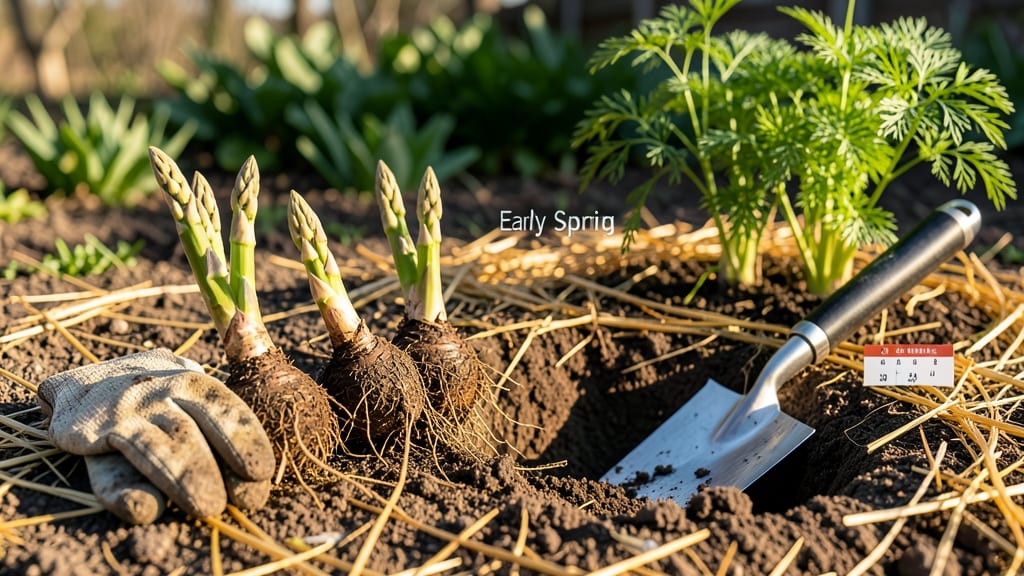
Planting asparagus in Arkansas at the wrong time means waiting 3 years longer for your first harvest—so getting the timing right is the key to unlocking fresh, homegrown spears for a decade.
As a gardener in USDA zones 7a-8a, you know Arkansas’s mild winters and unpredictable spring frosts can make or break your asparagus.
The best window is early spring, between February and March, when soil temperatures hover just above 50°F—but planting too early risks frost damage, while waiting too long delays root establishment.
I’ve tested the ideal planting schedule here, including how to prep your garden bed for Arkansas’s clay-heavy soil and when to mulch for moisture retention. Skip the guesswork and learn the exact steps to maximize your yield from day one.
Whether you’re a first-time grower or a seasoned gardener, these insights will help you avoid common mistakes and get your asparagus 🌱 thriving faster. Let’s dive into the best practices for your Arkansas garden.
Optimal Arkansas asparagus planting dates by USDA Zone 7a climate
In Arkansas's USDA Zone 7a, planting asparagus at the right time means the difference between a 3-year wait for your first harvest and a decade of fresh spears.
The state's unpredictable spring frosts and warm winters demand precision—especially since asparagus crowns need consistent soil temperatures between 50°F and 70°F to establish roots before summer heat arrives.
Most Arkansas gardeners plant 1-year-old asparagus crowns in early spring (February-March), but seeds can go in late summer (August-September) for a slower but reliable crop. The key is avoiding the 3-week window before your last frost—typically around March 15—when soil temperatures fluctuate and young roots risk frost damage.
Here’s the critical timeline for Arkansas Zone 7a:
Planting too early (before February 15) risks crown rot from cold, wet soils, while planting too late (after March 15) delays root establishment, leaving plants vulnerable to Arkansas’s summer heat and humidity.
Crowns planted in late March may still produce spears, but yields will be 30–50% lower in the first harvest year.
Arkansas’s spring frost patterns are unpredictable—some years, late frosts hit as late as April 1. To hedge your bets, choose cold-hardy varieties like ‘Jersey Knight’ or ‘Purple Passion’ and plant in raised beds for faster soil warming.
Mulch with straw or pine needles after planting to insulate roots during temperature swings.
If you miss the spring window, fall planting (October) is possible but risky—only attempt it if your soil stays above 45°F and you’re prepared to protect plants with row covers during winter. Seeds, however, are a safer bet for fall, as they germinate slowly and tolerate cooler soils.
Remember: Asparagus is a perennial investment. In Arkansas’s climate, crowns planted in late February will typically yield spears by year 3, while seeds may take 4–5 years.
The 3-week window before last frost is your best shot at maximizing early growth and avoiding the “frost burn” that stunts young plants.
For extra insurance, plant two rows with a 2-week gap—this spreads out your harvest window and reduces the impact if one planting fails due to frost. Once established, your asparagus bed will reward you with harvests from April to June for years to come.
🌱
How to prepare your Arkansas garden bed for asparagus success
Asparagus thrives in Arkansas’s USDA Zone 7a when planted in the right soil conditions. The key to success lies in preparing a well-draining, nutrient-rich bed that mimics its native Mediterranean habitat.
Arkansas’s clay-heavy soils can pose challenges, but with the right amendments, you’ll create an ideal environment for your asparagus crowns to establish deep roots and produce spears for years.
Start by choosing a sunny location with at least 6-8 hours of direct sunlight daily. Asparagus is a heavy feeder, so prioritize a spot where you won’t be tempted to harvest other crops nearby.
The 12-inch-deep planting trench is non-negotiable—it allows roots to spread horizontally while keeping spears upright for easy harvesting.
Step-by-Step Arkansas Asparagus Soil Prep
- 1 Test and amend soil pH: Arkansas soils often test acidic (pH 5.5-6.5). Aim for pH 6.5-7.5 by mixing in lime or wood ash for alkaline adjustment. Use a soil test kit from the UA Cooperative Extension for precise results.
- 2 Break up clay soil: Arkansas’s dense clay can suffocate roots. Use a broadfork or tiller to loosen the top 12 inches of soil. Add 2-3 inches of compost or well-rotted manure to improve drainage and fertility.
- 3 Create planting trenches: Dig trenches 12 inches deep and 12-18 inches apart. Space rows 3 feet apart for easy access. This depth encourages roots to spread while keeping spears upright for harvesting.
- 4 Add organic matter: Mix 50% compost and 50% native soil into the trench. Avoid fresh manure, which can burn roots. Top with 2 inches of straw mulch to retain moisture and suppress weeds.
- 5 Plant companion crops: Interplant shallow-rooted companions like bush beans, lettuce, or radishes between rows. Avoid deep-rooted plants like corn or tomatoes, which compete for nutrients.
After planting your 1-year-old asparagus crowns, water deeply to settle the soil around the roots. Arkansas’s humid summers mean mulch is your best friend—keep the bed covered with straw or wood chips to prevent soil-borne diseases like fusarium wilt.
Avoid overwatering, as asparagus prefers moderate moisture and can rot in soggy soil.
For long-term success, fertilize lightly in early spring with a balanced 10-10-10 mix. Skip fertilization in the first year to let roots establish.
By year three, your patience will pay off with juicy spears ready for harvest—just don’t cut more than 20% of the foliage to keep the plant healthy.
With these steps, your Arkansas garden bed will be primed for decades of asparagus production. The secret? Preparation—just like the 3-year wait before your first harvest, the soil work is worth every shovel-full. Happy gardening! 🌱