
Plants
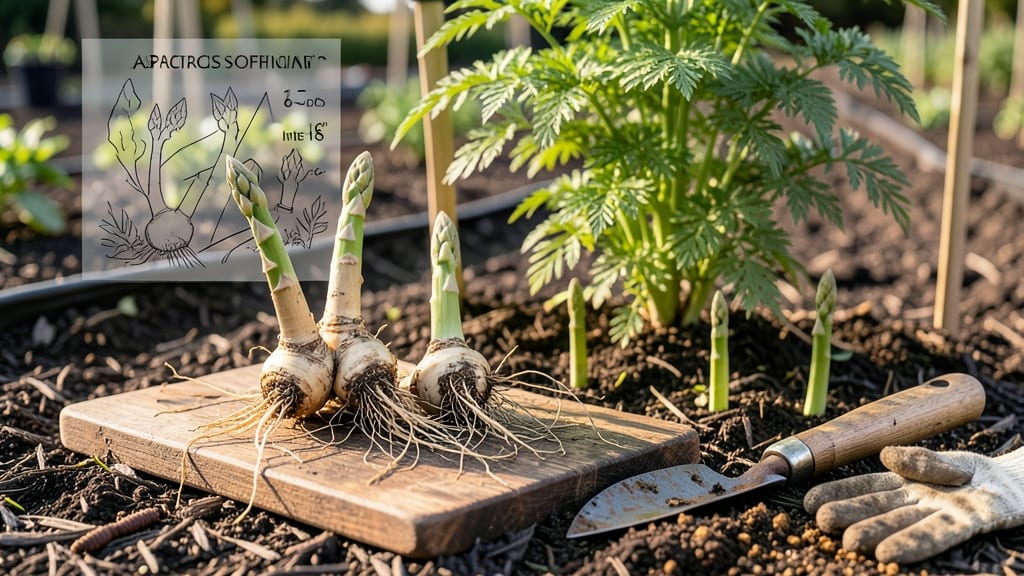
Planting asparagus in Massachusetts isn't just about throwing crowns in the dirt—it's about timing them perfectly to beat frost and set up a harvest that lasts for years.
The best window is just 2-4 weeks before your last frost, usually between late March and early April, when soil temperatures hover around 50°F.
Why does this matter? Because asparagus crowns need that sweet spot of cool soil to root before the ground warms up. Plant too early, and frost can damage tender shoots; too late, and your spears will be stunted before they even emerge.
Massachusetts' 5b-6b climate means you’ve got a narrow but critical window to get it right.
I’ve learned the hard way that rushing or waiting too long means smaller harvests—and who wants that? The secret is preparing your soil in fall if planting early spring, or choosing frost-resistant varieties like Jersey Knight.
Let me walk you through the exact steps to time it perfectly for your zone.
From adjusting for microclimates to protecting young plants from late frosts, this guide covers everything you need to know. Ready to grow asparagus that thrives year after year? Let’s get started.
Massachusetts asparagus planting calendar by climate Zone
Massachusetts' USDA Zones 5b-6b create unique challenges for asparagus growers. The 4-6 week window before spring thaw is critical for root establishment, and timing varies by elevation and microclimate. Coastal areas like Barnstable can plant 2-3 weeks earlier than inland regions like Pittsfield, where late frosts linger.
Asparagus crowns thrive when planted in cool but frost-free soil, typically 40-50°F. This means waiting until mid-to-late March in most of Massachusetts, but adjusting for early blooming daffodils (a natural indicator) in your area.
Seed sowing, though less common, requires even more precision—late April to early May after all frost risk has passed.
Here’s how to align your planting with Massachusetts’ frost patterns and soil temperature trends for maximum success:
| Zone & Location | Crown Planting Window | Seed Sowing Window | Soil Temp Requirement | Key Adjustments |
|---|---|---|---|---|
| Zone 5b (Western MA: Pittsfield, Springfield) | Late March - Early April | Late April - Early May | 40-50°F | Wait for 3+ consecutive frost-free days; use row covers for early planting. |
| Zone 5b (Central MA: Worcester, Fitchburg) | Mid-March - Late March | Early May | 40-50°F | Plant after lilac blooms; avoid low-lying areas with cold air pockets. |
| Zone 6a (Southeast MA: Boston, Providence) | Early March - Mid-March | Early May | 45-50°F | Can plant 2 weeks earlier; monitor coastal fog delays. |
| Zone 6b (Cape Cod & Islands: Barnstable) | Late February - Early March | Late April | 45-50°F | Plant after sea thrift blooms; protect from salt spray with mulch. |
For fall planting, aim for September to early October—giving roots time to establish before winter. This method works best in Zone 6b, where milder winters reduce frost risk.
In colder Zone 5b areas, limit fall planting to hardy varieties like 'Mary Washington' and cover with 6 inches of straw mulch.
Adjust your schedule if you notice unusually warm winters (like in 2023-2024) or late-spring snow events. Use a soil thermometer to confirm 40°F+ soil temps at 6-inch depth—this is your green light to plant. Early planting without this check risks frost damage to emerging crowns.
Pro tip: Pre-soak crowns for 2 hours before planting to jumpstart root growth. This is especially helpful in sandy soils (common in Cape Cod) where moisture drains quickly. Pair this with a compost-amended trench to retain moisture during Massachusetts’ variable spring rains.
Remember, asparagus is a 3-year investment. Planting at the right time ensures vigorous crowns that reward you with 10-15 years of harvests. Miss the window, and you’ll face stunted growth or poor spear production for years.
Use local Massachusetts Farm Bureau frost charts as a backup guide if your microclimate behaves unpredictably.
Once planted, mulch heavily (4-6 inches) to protect roots from freeze-thaw cycles—a common issue in Zone 5b’s dramatic temperature swings. This simple step can double your survival rate in Massachusetts’ challenging climate. 🌱
Step-by-step asparagus planting guide for Massachusetts soil
Massachusetts soil can be tricky—whether you’re dealing with clay-heavy ground in the east or sandy loam in the west, asparagus needs the right prep to thrive. The key is amending your soil 6-8 weeks before planting to create that perfect well-draining environment.
I’ve found that adding 3-4 inches of compost and a 5-10-10 fertilizer (per package instructions) works wonders for both soil types.
Once your soil is ready, timing your planting is critical. Massachusetts’ USDA Zones 5b-6b mean you’ve got two ideal windows: early spring (March-April) or fall (September-October). Spring planting gives roots time to establish before summer heat, while fall planting lets them settle before winter.
Let’s break it down step by step to ensure your asparagus gets off to the best start.
After planting, the real work begins with post-planting care. Massachusetts’ unpredictable weather can cause winter heaving (when soil freezes and thaws, pushing crowns out of the ground). To prevent this, add a thick layer of mulch in late fall and avoid disturbing the soil around the crowns.
Also, be patient—it takes 2-3 years before you’ll see a harvest, but the wait is worth it for those juicy, homegrown spears!
If you’re planting in fall (September-October), follow the same steps but choose a cold-hardy variety like ‘Jersey Knight’ or ‘Mary Washington.’ Fall-planted crowns establish roots before winter dormancy, giving them a head start in spring. Just make sure to water thoroughly before the first frost to protect them.
Remember, the soil temperature is your best friend here. Use a soil thermometer to confirm it’s at least 50°F before planting—this ensures roots won’t freeze. With these steps, your asparagus will be ready to thrive in Massachusetts’ climate for decades to come.