
Plants
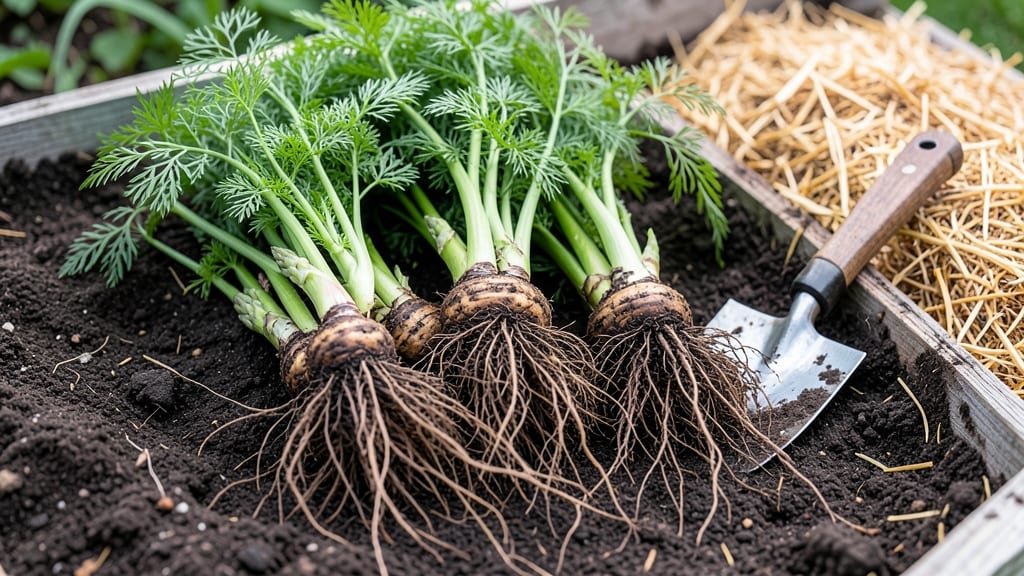
Planting asparagus in Zone 9 at the wrong time means waiting years before you taste those sweet, tender spears—so timing is everything. Unlike cooler climates, Zone 9’s mild winters and long growing season demand a strategic approach to avoid summer heat stress and ensure strong root establishment.
The perfect window for planting asparagus crowns in Zone 9 is late winter (February–March), when soil temperatures are cool but not freezing. This gives roots time to establish before summer’s intense heat arrives.
But here’s the catch: if you’re in a cooler microclimate (like higher elevations in Zone 9b), late fall planting can work—just harden off crowns to prevent rot.
Why does this matter? Asparagus is a perennial crop, meaning it’ll reward you for years—but only if planted correctly. Skip the ideal window, and you risk stunted growth, poor yields, or even failed harvests. Let’s break down the exact steps to get it right the first time.
From soil prep to microclimate tweaks, I’ll show you how to set up asparagus for year-round success in Zone 9. Ready to dig in?
Best planting times for asparagus in Zone 9: fall vs. spring breakdown
When planting asparagus in Zone 9, timing is everything—especially since this perennial crop needs 2-3 years to establish before producing spears. In Zone 9's mild winters, fall planting often outperforms spring, but regional microclimates (like Southern California's coastal areas vs. Arizona's desert zones) create unique windows.
Let’s break down the best approaches for your location.
Fall planting (October–November) gives asparagus crowns a head start on root growth before winter’s cooler temperatures. The key is to plant when soil temps drop to 60–70°F—ideal for root establishment without summer heat stress.
Spring planting (February–March) works too, but requires careful soil moisture management to avoid drought stress during Zone 9’s dry seasons.
Southern California gardeners can plant asparagus as late as mid-November in coastal areas (like San Diego), where winters are nearly frost-free. Inland regions (e.g., Los Angeles Basin) should aim for October planting to avoid summer heat. Meanwhile, Arizona's low deserts (Zone 9b) benefit from September–October planting to escape monsoon moisture risks.
Florida’s Zone 9 (e.g., Orlando or Miami) has a longer window—plant from August through November—but avoid hurricane season (June–October) to prevent soil erosion. The goal is to establish roots before hot, dry summers kick in. In all cases, avoid summer planting; asparagus crowns will bake in 90°F+ soil, leading to rot.
For fall planting, harden off asparagus crowns by soaking them in water for 24 hours before planting. This mimics winter rains and reduces transplant shock.
In Zone 9b (Arizona/FL), opt for ‘Mary Washington’ or ‘Purple Passion’ varieties, which handle heat better than traditional types. Mulch heavily (3–4 inches of straw) to retain moisture and regulate soil temps.
Spring planting requires pre-soaking crowns and immediate deep watering (1–2 gallons per plant) to combat Zone 9’s dry springs. If planting in April or later, provide drip irrigation to avoid stress. Shade cloth (30%) can help young plants acclimate to summer sun.
Remember: asparagus is perennial in Zone 9, so choose a permanent spot with 6+ hours of sun.
Pro tip: In Southern California’s coastal zones, plant asparagus in November for a winter harvest—spears often emerge in February when days lengthen.
Inland areas should delay until January to avoid Santa Ana winds, which dry out soil. Test soil pH (6.5–7.5) before planting; amend with compost or lime if needed.
Regardless of timing, avoid harvesting spears in the first year—let the plant focus on root growth. In Zone 9’s heat, reduce watering after June to signal dormancy.
With the right timing, your asparagus bed will reward you with 20+ years of harvests—far longer than most garden crops! 🌱
How to prepare your Zone 9 soil for asparagus success
Zone 9’s warm climate means asparagus needs well-draining soil with just the right balance of nutrients. Poor soil prep here can lead to rotten crowns or stunted growth—so let’s fix that.
The key is creating loose, fertile soil with a pH between 6.5 and 7.5, which asparagus craves for optimal nutrient uptake.
Start by testing your soil’s pH with a home kit or send a sample to your local extension office. If it’s too acidic (<6.5), add lime (1–2 pounds per 100 square feet). For alkaline soil (>7.5), mix in sulfur or peat moss to lower the pH gradually over 2–3 months.
- ✅ Test soil pH (aim for 6.5–7.5)
- ✅ Add compost (3–4 inches) for organic matter
- ✅ Loosen soil 12–18 inches deep with a fork
- ✅ Mix in sand (if clay-heavy) for drainage
- ✅ Apply balanced fertilizer (10-10-10) at planting
Next, focus on organic matter. Asparagus roots thrive in loose, aerated soil, so till in 3–4 inches of compost or well-rotted manure. For heavy clay soils, blend in coarse sand or perlite to improve drainage—Zone 9’s occasional heavy rains can drown roots if soil is too dense.
Don’t forget to remove weeds and debris before planting. Weeds compete for nutrients, and decaying plant matter can introduce diseases. If your soil is sandy, add peat moss to retain moisture, while clay soils benefit from gypsum to break up compaction over time.
For a seasonal checklist, mark your calendar: 6–8 weeks before planting, test and amend soil. 2–3 weeks out, add a slow-release fertilizer (like bone meal) to give roots a nutrient boost. Finally, 1 week before planting, water deeply to settle the soil and encourage root growth.
With these steps, your Zone 9 soil will be ready to support healthy asparagus crowns that produce spears for years. The secret? Prep early and amend thoroughly—your future harvest depends on it! 🌱