
Plants
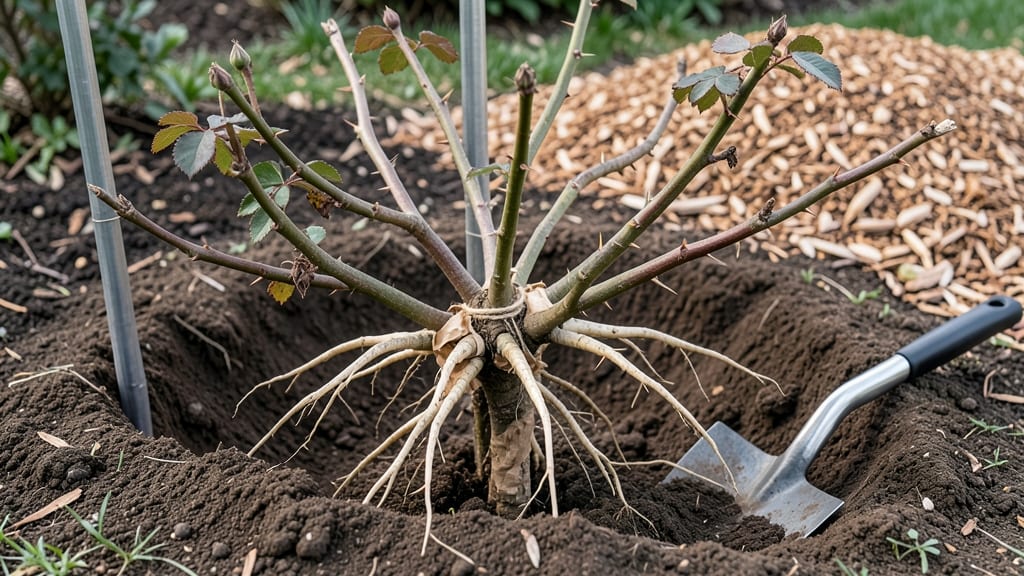
Planting bare root roses in California isn’t just about grabbing a shovel—it’s about timing your move to match your local climate zone, or risk watching your investment wilt before it even blooms.
Whether you’re in foggy coastal USDA Zone 10 or the sunbaked desert of Zone 9b, the wrong window could mean frost damage or heat stress for your delicate 🌹 roots.
Most gardeners assume "winter" is the answer, but California’s diversity means your neighbors might be planting while you’re still dealing with 3 PM heat waves.
This guide cuts through the guesswork, giving you the exact months to dig in—plus soil prep secrets and post-planting care that’ll have your roses thriving by spring.
You’ll learn how to read your region’s microclimate (yes, even within 5 miles, conditions can shift dramatically) and avoid the 3 biggest mistakes California gardeners make when planting bare root roses. No more waiting until it’s too late or rushing in before the soil’s ready.
Let’s get your roses in the ground at the perfect moment—so you’re not left wondering why your $50 shrub looks more like a sad twig than a future blooming beauty. Ready to plant with confidence?
California planting zones & best months for bare root roses
California’s diverse climate—from chilly coastal fog to scorching desert heat—means one planting window doesn’t fit all for bare root roses. The key to success lies in understanding your USDA zone and local frost patterns.
Plant too early in Zone 7, and frost may damage tender roots; too late in Zone 11, and summer heat will stress your roses before they establish. Let’s break down the perfect planting months for each zone, plus soil prep timing to give your roses the best start.
Bare root roses thrive when planted during their dormant season, typically late fall through early spring. This timing allows roots to establish before summer’s heat arrives. However, California’s microclimates create exceptions—coastal areas stay cooler longer, while inland valleys and deserts warm up faster.
By matching your planting schedule to your zone, you’ll avoid common pitfalls like root burn or bud break stress, ensuring your roses bloom beautifully for years.
⚠️ PRO TIP: Always check for bud swell before planting. If buds are already plump, delay planting by 2-3 weeks to prevent premature growth.
In Zone 7 (think Northern California mountains like Tahoe or Redding), your planting window is narrow due to late frosts. Start soil prep in October and plant by February 15 to avoid frost damage.
The key here is mulching—add 3-4 inches of organic mulch to insulate roots during cold snaps.
For Zone 8 (Sacramento Valley, Stockton), soil warms quickly, so don’t wait until spring. Begin planting by November 1 and finish by March 1. The biggest mistake here?
Planting too late. By March, soil temperatures can exceed 65°F, causing root burn. Test soil temps with a thermometer—ideal planting temps are 40-50°F.
Coastal Zone 9 (San Francisco, Santa Barbara) has its own quirks. While inland areas can plant by November 1, coastal gardeners should wait until December 1 due to delayed springs.
Use the bud swell test: if buds aren’t yet plump, it’s safe to plant. Pro tip: Morning fog can keep soil cooler longer—plant on sunny days to avoid soggy soil.
Zone 10 (Desert regions like Palm Springs or coastal areas like San Diego) offers flexibility but demands caution. Desert zones can plant as early as November 1, but avoid planting after February 28—soil temps can spike to 80°F+ by March. For desert plantings, create shade cloth over newly planted roses until roots establish (about 6-8 weeks).
Finally, Zone 11 (Palm Springs, Coachella Valley) is the trickiest. Plant only between November 1 and January 31. After January, daytime temps often exceed 75°F, which stresses bare roots.
If you miss this window, wait until fall rains arrive (typically September) to plant again. Drip irrigation is a must here—water deeply every 2-3 days for the first month.
No matter your zone, soil prep
Signs your California climate is Actually Ready for Bare Root Roses
California’s climate can be deceiving—one day it’s perfect for planting, the next it’s scorching or foggy. Relying solely on calendar dates means missing the real cues your 🌹 bare root roses need to thrive.
The best time to plant isn’t just about the month; it’s about your soil’s temperature, your rose’s dormancy stage, and even the time of day your garden bakes. For example, coastal gardeners in Zone 10 might plant in February, while inland Zone 8 gardeners wait until January.
Your roses are dormant when you buy them, but that doesn’t mean they’re ready to go in the ground. Look for tight, unopened buds—these signal the plant is still in its rest phase.
If you see green tips or swelling buds, it’s a red flag: your climate may already be too warm, and planting now could shock the roots. Instead, wait until those buds stay firm and closed, even in mild weather.
Soil temperature is the silent boss of planting success. Use a soil thermometer to check that temps are consistently between 40°F and 60°F at a 4-inch depth. If it’s warmer than 60°F, your roots will burn before they can establish.
In Southern California’s desert zones, this might mean waiting until late January, while Northern California’s cooler microclimates could be ready by November.
⚠️ CALLOUT WARNING ⚠️
Microclimates are the secret weapon of California gardeners. A 5-mile difference can mean frost in one valley and 70°F afternoons in another. Check your garden’s afternoon temps: if it’s consistently 75°F+ by 2 PM, delay planting until cooler months.
Morning fog? That’s a good sign—it keeps soil cooler longer, giving you a longer planting window. For example, San Francisco gardeners can plant as late as mid-March, while Sacramento’s heat might push them to early February.
Don’t forget to prep your soil before planting. Amend it with compost or aged manure to improve drainage, and avoid planting in soggy ground—bare roots rot in waterlogged soil.
In desert zones, add organic mulch to retain moisture, while coastal gardeners should focus on well-draining soil mixes to prevent fungal issues. The goal? Soil that’s cool, loose, and moist but not waterlogged.
Your roses are ready when the buds are tight, the soil is 40°F–60°F, and your microclimate’s afternoon temps stay below 75°F. Plant at the right time, and you’ll see vigorous new growth by spring—no sad, stunted twigs here!
With these signs as your guide, your bare root roses will take root like a dream, no matter where you garden in California.