
Plants
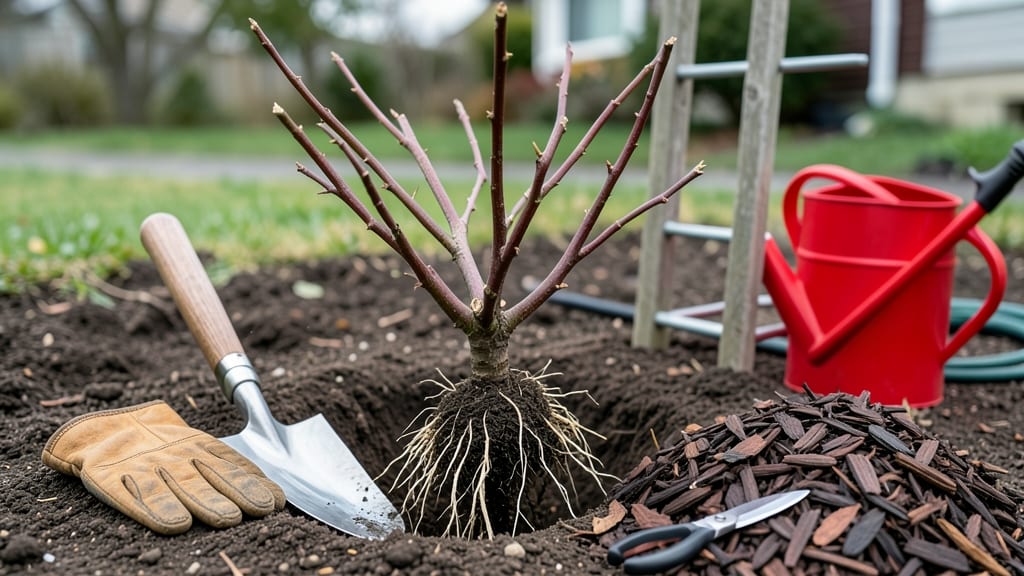
When to plant bare root roses in Zone 6 could mean the difference between a vibrant garden showstopper and a struggling survivor fighting through the seasons. The secret isn't just about grabbing those roots from the nursery—it's about matching your local climate's chill hours to give your 🌹 the best possible start.
In Zone 6, where winters can be crisp and summers warm, planting too early risks exposing tender roots to late frosts, while waiting too long might leave your roses scrambling to establish before the heat sets in.
The ideal window? Early spring or fall, when soil temperatures hover between 40-50°F and the ground isn't frozen solid.
I’ve planted dozens of bare root roses, and the ones that thrive follow a simple rule: plant when the ground is workable but before the buds start swelling. That’s usually 4-6 weeks before your last frost in spring or 6-8 weeks before the first frost in fall.
Let me walk you through exactly how to time it right for your Zone 6 garden.
Whether you’re a first-time rose gardener or a seasoned pro, getting this step right sets the stage for years of lush blooms. We’ll cover soil prep, planting techniques, and how to protect your new 🌹 from unexpected cold snaps—so you can enjoy a garden that’s the envy of the neighborhood.
Zone 6 chill-hour requirements for bare root roses: the perfect planting window
Bare root roses thrive in Zone 6 when planted during their natural dormancy break, but timing depends on your local chill hours. Most Zone 6 gardeners experience 500-700 chill hours annually, which means roses need 300-700 hours below 45°F to break dormancy.
Planting too early (before 40°F soil temps) risks frost damage, while waiting too late delays root establishment before summer heat arrives.
Your best planting window aligns with early spring (when daytime highs reach 50-60°F) or fall (6-8 weeks before first frost). Fall planting gives roots time to establish before winter, while spring planting lets roses bloom their first year. Both require frost-free soil and careful monitoring of local microclimates.
Here’s how to match your Zone 6 chill hours to the perfect planting window:
For Zone 6 gardeners, the ideal planting window is March-April (early spring) or September-October (fall). Use a soil thermometer to confirm temps are consistently above 40°F—this ensures roots won’t freeze.
In fall, aim to plant 6-8 weeks before your first frost date (typically mid-October in Zone 6) to allow roots to establish before winter dormancy.
Your local chill hours determine whether you’ll plant earlier or later. Check your USDA Zone 6a/6b specifics: cooler microclimates (like valleys) may need 700+ chill hours, while urban areas often see 500-600 hours. Use a chill-hour calculator or local weather data to fine-tune your timing.
Once you’ve matched chill hours and soil temps, focus on root health. Soak bare roots in lukewarm water for 4-6 hours before planting to rehydrate them. Plant in well-draining soil amended with compost and a balanced fertilizer (10-10-10) to kickstart growth.
Mulch with 3-4 inches of organic mulch to retain moisture and regulate soil temperature.
Avoid planting when daytime highs exceed 70°F—this stresses bare roots before they’ve established. In Zone 6, this typically means avoiding May planting unless you’re in a cooler microclimate. Instead, prioritize early spring (when soil warms to 50°F) or fall (when nights cool to 50°F).
Monitor your roses’ progress after planting. In spring, new growth should appear within 3-4 weeks if planted correctly. In fall, focus on root establishment—healthy roots will show firm, white tissue when checked in early spring.
If buds swell too early (before last frost), protect them with frost cloth or a row cover.
Remember: Zone 6’s chill hours are your guide, but local conditions matter most. Adjust for elevations, urban heat islands, or wind exposure. With the right timing, your bare root roses will bloom vigorously their first year and thrive for decades.
🌹
Step-by-step planting timeline for Zone 6: avoid these 3 critical mistakes
Timing your bare root roses in Zone 6 is like catching a wave—too early, and they’ll wake up too soon; too late, and they won’t establish roots before summer heat.
The ideal window spans from early spring (March-April) to fall (October-November), but your local frost dates are the real guide.
Most gardeners in Zone 6 focus on spring planting (4-6 weeks before last frost) or fall planting (6-8 weeks before first frost). However, skipping soil prep or ignoring frost warnings can turn your roses into struggling survivors instead of thriving bushes.
Let’s break down the monthly steps—and the mistakes to avoid at each stage.
⚠️ 3 Critical Mistakes to Avoid When Planting Bare Root Roses in Zone 6
- Planting too early: Roots wake up in cold soil (below 40°F) and rot. Wait until soil temps hit 50°F+.
- Ignoring frost dates: Late frosts (after April 15) can kill new growth. Use frost cloth if needed.
- Skipping root soaking: Bare roots dry out fast. Soak for 4-6 hours before planting to revive them.
Pro Tip: Check your local chill hours (300-700) to match varieties like 'Dr. Huey' (cold-hardy) or 'Earthsong' (needs more warmth).
Let’s start with October-November, your fall planting window. This is when I prep my garden for winter dormancy. Begin by amending soil with compost and bone meal (10-10-10 fertilizer) to give roots a nutrient boost before winter.
Plant 6-8 weeks before first frost—typically mid-October in Zone 6. Unwrap roots only when ready to plant, and soak them for 4-6 hours in water + rooting hormone.
In December-January, focus on protection. Cover newly planted roses with 4-6 inches of mulch and a burlap wrap if temps drop below 20°F. Avoid fertilizing—your roses are dormant, not growing.
This is also the time to prune dead canes to encourage healthier spring growth. Skipping mulch here means frozen roots and poor spring recovery.
By February-March, it’s time to watch for bud swell. If you see green tips on canes, your roses are waking up. This is your last chance for fall-planted roses—if they’re still dormant, wait until soil temps hit 50°F+.
For spring planting, start in early March (4-6 weeks before last frost). Soak roots again, then plant deeper than the graft union (about 2 inches below soil line) to encourage strong root growth.
April is critical for frost protection. Even if your last frost is mid-April, late frosts can still hit. Use frost cloth on young canes until nighttime temps stay above 32°F.
Water deeply once a week to encourage root establishment. Avoid high-nitrogen fertilizers—your roses need balanced nutrients (10-10-10) to support both roots and blooms. Over-fertilizing now leads to soft, weak growth vulnerable to disease.
Finally, in May-June, your roses should be established and blooming. This is when I feed lightly (1 tbsp of 10-10-10 per plant) and mulch again to retain moisture. Monitor for aphids or black spot—early treatment with neem oil saves headaches later.
The key takeaway? Timing + soil prep beat brute-force planting any day. Your roses will thank you with healthier canes and bigger blooms next season.