
Plants
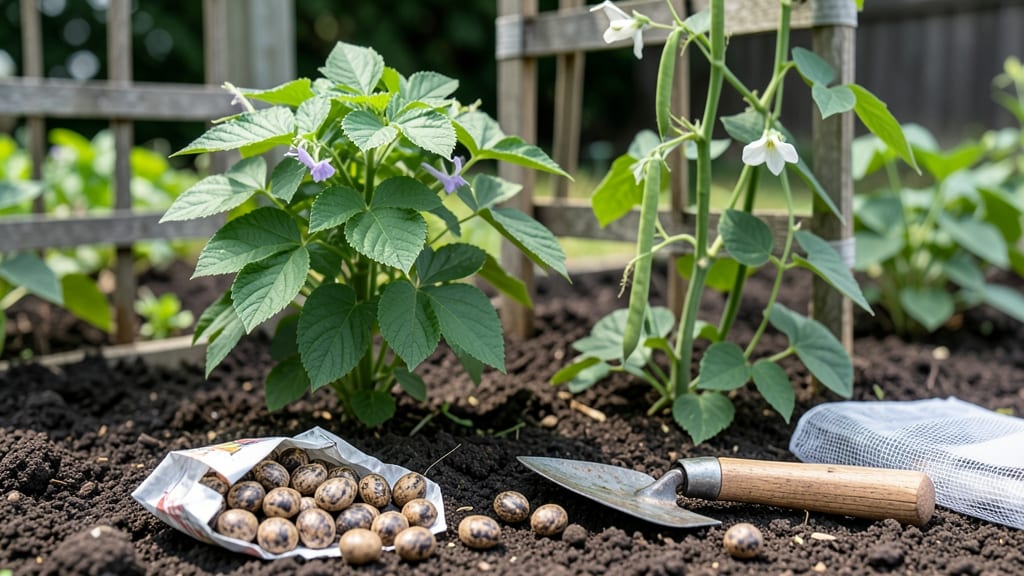
Planting beans in Massachusetts at the wrong time means watching your hard work vanish overnight—literally, thanks to frost. With just 165 frost-free days in Zone 6a, timing is everything to turn your garden into a bean bonanza.
Most gardeners here know the drill: wait until after the last frost (usually around April 15) and plant your 🌱 beans when soil hits 60°F. But did you know fall varieties can give you a second harvest?
The secret lies in understanding your local microclimate—whether you're in Boston's coastal chill or Worcester's inland warmth.
I’ve tested the best planting windows for pole, bush, and heirloom beans, so you don’t have to guess. From April 15–June 1 for spring crops to July 15–August 15 for fall harvests, I’ll show you exactly when to plant for maximum yields—plus how to stretch your season with succession planting.
Ready to avoid the common mistakes that ruin bean harvests? Let’s dive into the frost-free schedule that works for Massachusetts gardens—so you can enjoy fresh pods from July through October.
Massachusetts bean planting calendar: best months by variety for frost-free success
Massachusetts gardeners face unique challenges with its diverse microclimates—coastal areas like Cape Cod enjoy milder springs, while inland regions like Worcester can experience late frosts well into May. To maximize your bean harvest, timing is critical.
Most varieties thrive when planted after soil warms to 60°F or higher, typically between mid-April and early June for spring crops, and mid-July to mid-August for fall plantings.
Your location matters! Coastal zones (e.g., Boston) may start planting 2 weeks earlier than inland areas. Always check your last frost date—most of Massachusetts falls between April 15 and May 15.
Planting too soon risks frost damage, while waiting too long cuts harvest season short. Let’s break down the best planting windows by variety to ensure frost-free success.
For pole beans, which need trellises, aim to plant in early May to give them enough time to climb and produce before frost. These varieties, like 'Kentucky Wonder', thrive with longer growing seasons—perfect for coastal regions where summers stretch into September.
Inland gardeners should prioritize heat-tolerant varieties like 'Blue Lake' for bush beans, which mature faster and handle shorter seasons better.
Heirloom varieties, such as 'Romano', often require more time to mature (60-70 days), making them ideal for late spring plantings. If you're in Worcester or the Pioneer Valley, wait until mid-May to avoid frost damage.
For fall harvests, plant these varieties no later than early August—they’ll need at least 80 days of warm weather to produce.
Dwarf varieties like 'Contender' are the fastest growers (45-50 days), making them perfect for early spring or late summer plantings. On Cape Cod, where springs arrive earlier, you can start these as soon as soil warms to 55°F—often by mid-April.
This gives you a head start on the season and allows for succession planting later in the summer.
Always monitor soil temperature with a thermometer—beans won’t germinate well below 60°F. If your soil is cold, consider using black plastic mulch to warm it faster. For container gardening, plant in late May when nighttime temperatures stay above 50°F consistently.
Containers heat up faster, so they can be planted 1-2 weeks later than in-ground plantings.
Pro tip: Use row covers for early plantings to protect against late frosts. These lightweight fabrics raise soil temperatures by 5-10°F and can extend your planting window by 2-3 weeks.
Just remember to remove them once flowers appear to allow pollination. For fall plantings, choose short-day varieties like 'Provider' to ensure they mature before the first frost in mid-October
How to extend the bean harvest season in Massachusetts: succession planting tips
Massachusetts’ short growing season can feel like a race against time for gardeners, but with succession planting, you can stretch your bean harvest from summer well into fall. The key lies in strategic timing and heat-tolerant varieties that thrive in our USDA Zone 6a climate.
By planning ahead, you’ll avoid the heartbreak of a single harvest and enjoy fresh beans for months instead.
Start by choosing heat-tolerant varieties like ‘Blue Lake’ or ‘Romano’, which handle late-summer heat better than delicate heirlooms. These varieties also mature faster, giving you a quicker turnaround between plantings.
Pair them with protective measures like row covers or shade cloth to shield young plants from unexpected chills or scorching sun.
Use ‘Blue Lake’ or ‘Kentucky Wonder’—these mature in 50-55 days and thrive in 70°F+ soil. Monitor soil temps with a probe; wait until they’re consistently above 60°F.
Extend the season by 2-3 weeks with floating row covers. Secure edges to prevent pests and remove during 80°F+ days to avoid overheating. Ideal for ‘Romano’ or ‘Provider’ varieties.
Sow ‘Tendercrop’ or ‘Contender’ by September 1 for a harvest before first frost (October 15). These cold-hardy types tolerate 50°F nights and produce 30-40 days later. Mulch heavily to retain warmth.
Don’t overlook soil preparation between plantings. After harvesting your first crop, amend the soil with compost or aged manure to replenish nutrients. Beans are nitrogen-fixers, but they still benefit from a boost after multiple harvests. Test your soil’s pH—aim for 6.0-7.0—and adjust with lime or sulfur if needed.
For pole beans, which take up more space, consider vertical planting near fences or trellises.
This saves garden real estate and makes succession planting easier—just rotate varieties along the trellis. Bush beans, on the other hand, are perfect for small spaces or containers, allowing you to tuck them into corners or balconies for late-season harvests.
Keep an eye on the forecast and adjust your timeline accordingly. If a heatwave is predicted, opt for shade cloth (30-50%) to protect young plants from stress.
Conversely, if cool weather lingers, delay plantings until soil warms. Succession planting isn’t just about quantity—it’s about quality, ensuring your beans stay crisp and flavorful all season long.
With these strategies, you’ll turn Massachusetts’ 165 frost-free days into a continuous bean harvest. Start small—try one succession planting this year—and watch your garden’s productivity soar. Happy planting! 🌱