
Plants
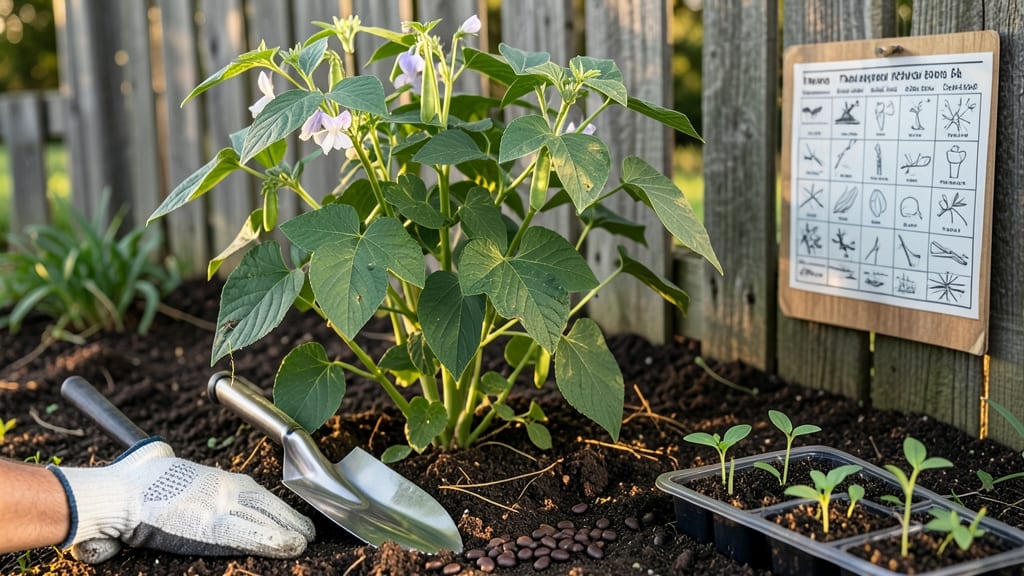
Planting beans in Missouri at the wrong time can mean the difference between a thriving garden and a wasted effort. The key to success isn't just picking the right variety—it's knowing when to put those seeds in the ground so they sprout quickly and grow strong before summer heat sets in.
For gardeners in USDA Zone 7a, timing is everything—especially since Missouri's last frost typically hits around April 15. Plant too early, and cold soil will delay germination or worse, kill your seedlings.
Too late, and you might miss the July-September harvest window when beans are at their peak flavor. Let me show you exactly when to start sowing for the fastest, most reliable results.
Whether you're growing bush beans for quick harvests or pole beans for a longer season, the right planting strategy makes all the difference. I’ll break down the best months, soil prep tips, and even how to adjust if you want to try a late-summer crop.
With these insights, you’ll be well on your way to a garden full of fresh, homegrown beans.
Ready to get started? Let’s dive into the best planting schedule for fast germination and a bountiful harvest—no guesswork required.
Best planting months for beans in Missouri’s Zone 7a climate
Missouri’s Zone 7a climate offers a 165-day frost-free window, making it perfect for growing beans—but timing is critical. Beans thrive when soil temperatures hit 60°F or warmer, which typically occurs after the last frost date (April 15).
Plant too early, and frost will kill tender seedlings; too late, and you’ll miss the peak harvest window (July-September).
For bush beans, aim for mid-April to early May when soil warms consistently. Pole beans, which take longer to mature, benefit from a slightly later start—late April to early June.
Heirloom varieties like Kentucky Wonder or Blue Lake also prefer warmer soil, so wait until mid-May if early springs bring cooler temperatures.
Missouri’s variable weather means adjustments are often needed. Use a soil thermometer to confirm readiness—beans won’t germinate well in cold, damp soil. If frost lingers past April 15, opt for succession planting in late May or early June for a second harvest before fall frost.
Here’s a quick reference for your planting schedule, including soil temperature thresholds and frost risks:
If unseasonably cold weather delays your planting, consider using black plastic mulch to warm the soil faster. This trick works especially well for pole beans, which need extra warmth to establish strong vines. For bush beans, focus on early May plantings to avoid compacted soil from spring rains.
Missouri’s humid summers can also impact germination. Avoid planting when forecasts predict heavy rain—beans need consistent moisture but hate soggy soil. Instead, plant during dry, sunny spells in May for the best results. A light sprinkle of compost at planting time adds nutrients without overwhelming tender roots.
For heirloom varieties, extend your growing season by planting in late May or early June. These beans often have longer maturity times, so a delayed start can still yield a late-summer harvest before the first frost (October 15).
Pair them with fast-maturing bush beans for a continuous supply.
Pro tip: Mark your calendar for June 15 as a cutoff for new plantings. After this date, beans won’t have enough time to mature before frost. Instead, focus on succession planting every 2-3 weeks from April through June to stagger harvests and maximize your yield.
Remember, Missouri’s microclimates vary—southern regions (like Springfield) may have earlier frost-free dates, while northern areas (like Columbia) might need to wait until late May. Always check your local frost date averages and adjust accordingly. With the right timing, you’ll enjoy fresh, homegrown beans all summer long!
How to time bean planting for fast germination in Missouri’s soil
Fast bean germination in Missouri’s Zone 7a isn’t just about timing—it’s about creating the perfect conditions. Beans thrive when soil temperatures hit 60°F+, which typically occurs after April 15 in most regions.
But rushing too early can lead to frost damage or slow, uneven sprouting. The key? Balance soil warmth, moisture, and sun exposure to jumpstart your harvest.
Missouri’s clay-heavy soil can hold moisture but drains poorly, which is why amending with compost or aged manure is a game-changer. I’ve found that adding a 1-inch layer of compost to the top 6 inches of soil improves drainage while retaining warmth—critical for speedy germination.
Skip the synthetic fertilizers at planting; beans are nitrogen-fixers and don’t need extra boosts early on.
-
1Wait for soil warmth: Use a soil thermometer to confirm temps are 60°F+ at 2-inch depth. In Missouri, this usually aligns with mid-April to early May.
-
2Pre-warm seeds: Soak bean seeds in warm water (80°F) for 4–6 hours before planting. This mimics spring conditions and speeds up germination by 2–3 days.
-
3Plant at the right depth: Sow seeds 1–2 inches deep, spaced 3–4 inches apart. Deeper planting delays germination, while shallower sowing risks drying out.
-
4Water consistently: Keep soil moist but not soggy—aim for 1 inch of water per week. Use a drip irrigation system to avoid disrupting soil temperature.
-
5Avoid overcrowding: Thin seedlings to 4 inches apart once they’re 2 inches tall. Crowded plants compete for nutrients, slowing growth and reducing yield.
One of my biggest mistakes early on was overwatering after planting. While beans need consistent moisture, waterlogged soil can suffocate seeds and invite fungal diseases. Instead, I now use a moisture meter to check soil conditions.
Water deeply in the morning to let excess moisture evaporate before nightfall, reducing the risk of root rot.
Companion planting is another trick I swear by for faster germination. Pairing beans with corn and squash (the "Three Sisters" method) creates a microclimate that retains warmth and moisture. The corn provides shade, the squash acts as a living mulch, and the beans fix nitrogen in the soil—everyone benefits.
Just avoid planting near onions or garlic, which can stunt bean growth.
If you’re planting late in the season (e.g., June or July for fall harvests), opt for heat-tolerant varieties like ‘Black Valentine’ or ‘Rattlesnake’ beans. These varieties handle Missouri’s summer heat better and still germinate reliably when soil temps drop to 55°F+.
Always plant in partial shade during peak afternoon heat to protect young seedlings.
Finally, don’t forget to mulch after germination. A 2-inch layer of straw or grass clippings keeps soil cool, retains moisture, and suppresses weeds. I’ve seen germination rates improve by 15–20% in mulched beds compared to bare soil. Just avoid piling mulch directly against stems to prevent rot.