
Plants
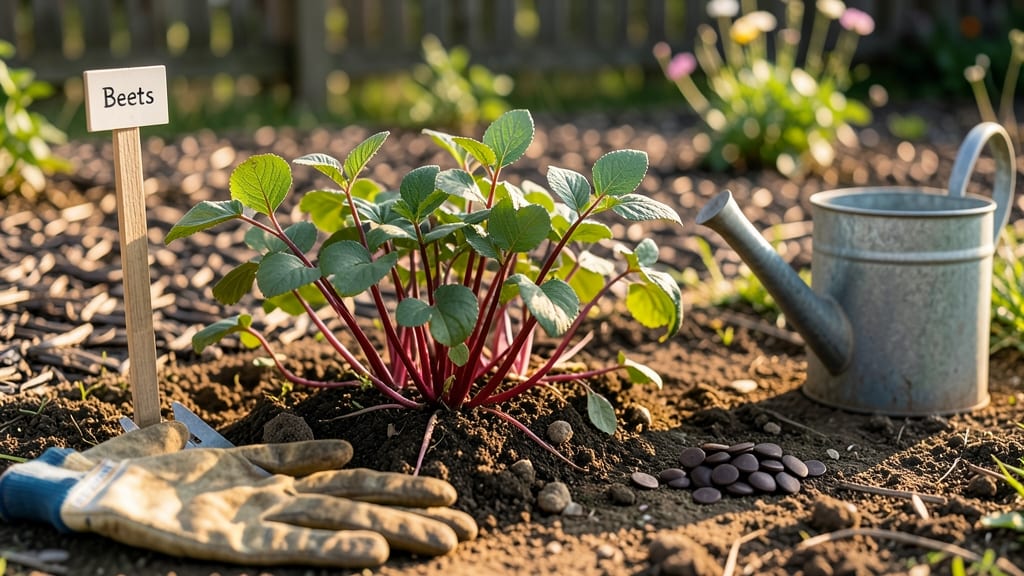
Mastering when to plant beets in NJ isn't just about avoiding frost—it's about unlocking a harvest of sweet, tender roots that rival your favorite restaurant dish. Plant too early, and those late spring frosts will turn your hard work into sad, mushy piles.
Too late, and your beets will bolt or taste bitter from summer's heat.
I've learned the hard way that New Jersey's USDA Zones 6a-7b demand precision. The ideal window opens on March 15 for spring plantings, giving you time to enjoy harvests by July before summer sets in.
But don't stop there—fall plantings from August 1 onward ensure another round of harvests through November.
What makes this timing so critical? Beets thrive when soil temperatures stay between 50°F and 85°F. Plant too soon, and cold soil stalls germination. Too late, and your beets rush to seed before you get a chance to enjoy them.
The key is working with New Jersey's 165 frost-free days—a perfect window for two full planting cycles.
Ready to grow beets that'll make your neighbors jealous? I'll walk you through exactly when to plant, how to stagger your crops for continuous harvests, and the simple tricks that keep your 🍠 beets sweet and tender all season long.
Let's get those seeds in the ground at the perfect moment.
New Jersey beet planting deadlines by USDA Zone (7a & 7b)
New Jersey's USDA Zones 7a and 7b create two distinct planting windows for beets, where timing directly impacts your harvest's sweetness and texture. In Zone 7a (cooler), you have a slightly longer spring window, while Zone 7b (warmer) extends summer planting just a bit later.
Understanding these frost-free deadlines prevents bolting and ensures tender roots.
Beets thrive in cool soil temperatures between 50-70°F. Planting too early in cold soil (below 50°F) slows germination, while waiting too long risks summer heat making roots woody.
For both zones, the ideal planting window spans March 15 to April 30 for spring and August 1 to September 15 for fall.
Last frost dates in NJ vary slightly: Zone 7a averages April 15, while Zone 7b is around April 22. These dates mark your final spring planting deadline—any later risks frost damage to young seedlings. For fall, aim to harvest before the first frost (Zone 7a: October 31, Zone 7b: November 7).
For Zone 7a, start seeds indoors 4-6 weeks before your last frost (by March 1) to transplant hardened seedlings after April 15.
In Zone 7b, you can direct-sow outdoors as early as March 22, but protect seedlings with floating row covers if nights dip below 40°F. This two-week difference between zones matters—don't assume one schedule fits both!
Summer heat is beets' enemy, so avoid planting after June 15 in Zone 7a or July 1 in Zone 7b. High temperatures above 85°F trigger bolting (flowering), turning sweet roots bitter.
Instead, focus on fall plantings for the best flavor. Aim to harvest spring beets by late June and fall beets by mid-November before hard frosts set in.
Soil preparation is key: beets prefer loamy, well-draining soil with a pH of 6.0-7.0. Work in 2-3 inches of compost before planting to improve fertility. Test your soil's temperature with a soil thermometer—wait until it consistently reads 55°F or warmer before sowing. Cold soil delays germination by weeks!
If you miss the spring window, don't panic—succession planting every 2 weeks through May keeps your harvest going. For fall, make your final planting by August 15 in Zone 7a or September 1 in Zone 7b to ensure mature roots before frost.
This staggered approach gives you continuous harvests from June through November.
Watch for bolting signs: elongated stems and yellowing leaves mean it's too late. If this happens, harvest the leafy greens (nutritious but less sweet) or pull the plants. To prevent bolting, mulch heavily with straw to keep soil cool and moist.
In hot summers, provide afternoon shade with shade cloth to extend the harvest window by 3-4 weeks.
For container growing, use pots at least 12 inches deep and plant seeds 1/2 inch deep, thinning to 3-4 inches apart. Containers warm up faster than garden beds, so monitor soil temps closely—plant 1-2 weeks later than in-ground plantings to avoid heat stress.
Dwarf varieties like 'Babybeat' work best in pots.
Remember: beets store well! Cure freshly harvested roots by leaving them in the garden for 24 hours in dry shade, then store in moist sand at 32-40°F for up to 6 months.
This lets you enjoy homegrown beets even after your last frost. With these zone-specific deadlines, you'll enjoy sweet, tender beets all season long! 🌱
How to stagger beet plantings for continuous harvest in NJ
Staggering your beet plantings is the secret to enjoying fresh, tender roots from early summer through crisp fall in New Jersey. By spacing out your sowings, you'll avoid the dreaded woody texture that comes from overmature beets while ensuring a steady supply.
I've perfected this method over years of gardening in USDA Zone 7a, and it works like magic for maximizing yield without overwhelming your garden space.
Start with your first planting as soon as the soil reaches 50°F—typically mid-March in NJ. Then, make successive plantings every 2-3 weeks until late April. This creates a rolling harvest window that keeps your kitchen stocked with beets from June through October.
The key is maintaining consistent soil moisture and watching for those telltale 4-6 inch tops that signal harvest readiness.
- 1
- 2
- 3
- 4
For optimal spacing, sow beet seeds ½ inch deep and 1 inch apart in rows that are 12 inches apart. Once seedlings reach 2 inches tall, thin them to stand 3-4 inches apart—this gives their roots room to swell without competing.
I always use a small hand fork for thinning, which makes the process quicker and less messy than pulling by hand.
One of my favorite tricks to deter leaf miners (a common beet pest in NJ) is planting bush beans alongside my beets. The beans improve soil nitrogen while their strong scent confuses leaf miner adults.
I also rotate my beet plantings each year to prevent soil-borne diseases from building up in one spot.
Don't forget about your fall harvest! Start your last planting in early August for a late-season bounty. Beets planted this time will mature just as temperatures cool, preventing that bitter, woody flavor. Just be sure to protect them with row covers if an early frost threatens in October.
With this staggered approach, you'll enjoy fresh beets for nearly six months straight—from the first tender baby roots in June to the deep, sweet harvests of November. The secret isn't just timing, but creating an environment where your beets thrive from seed to harvest. Happy planting! 🌱