
Plants
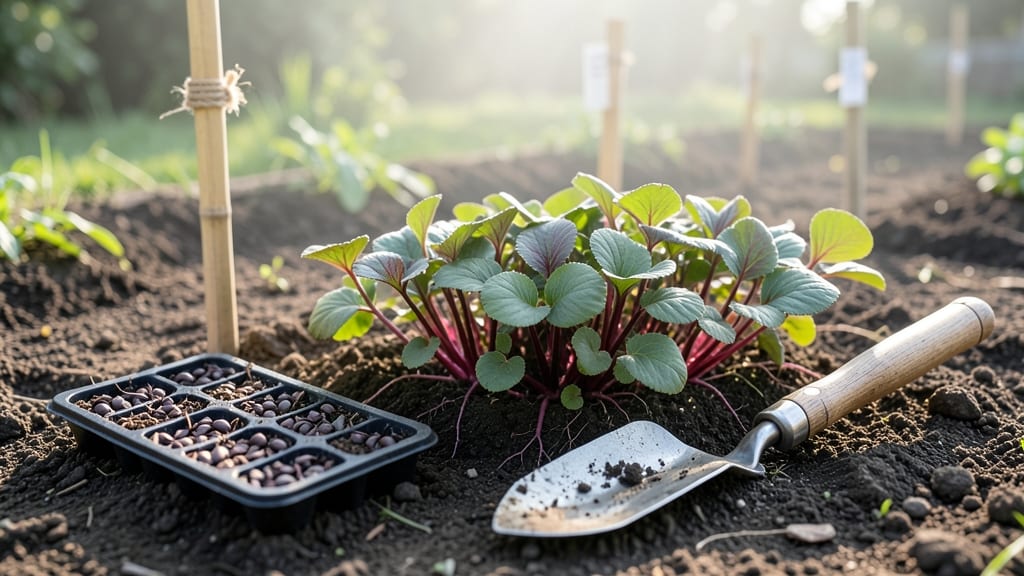
Timing your beet planting in South Carolina is the key to avoiding bitter, woody roots and bolting greens—because those 50-day harvest windows vanish fast when temperatures creep above 75°F.
If you've ever pulled up a beet only to find it tough and fibrous, you already know how critical this is. The secret lies in planting during those cool-season pockets—February through March for spring harvests, or August to September for fall crops—when the 8a climate keeps your 🍠 thriving.
I’ve grown beets in SC for years, and the difference between a perfect harvest and a failed one often comes down to just 2 weeks of timing. Let me show you exactly when to plant for maximum sweetness, whether you're working with garden beds or containers.
We’ll cover frost dates, soil prep, and even how to stretch your season with row covers—so you can enjoy homegrown beets from May through November without the stress of bolting or heat damage.
South Carolina’s best beet planting windows for zero bolting
Timing is everything when growing beets in South Carolina. Unlike cooler climates, our USDA zones 7b-8a demand precise planting windows to avoid bolting—when beets send up flower stalks prematurely, turning roots bitter.
The key? Plant when soil temps stay below 70°F and days are short enough to keep growth slow and sweet.
Beets thrive in cool-season windows—either late winter/early spring or early fall. Miss these, and you’ll battle heat stress or winterkill. Below, I’ll break down the exact months, temperature ranges, and frost considerations for each window, tailored to SC’s three distinct microclimates (coastal, Piedmont, Upstate).
Why this matters: Bolting happens when beets sense long daylight hours (14+ hours) or heat stress. In SC, that means avoiding April-May and September-October plantings unless you’re using shade cloth or succession planting tricks.
Your first planting window opens in late July to early August for early fall harvests. This is ideal for Upstate SC (zones 7b-8a), where nights cool faster. Plant Detroit Dark Red or Golden varieties here—they mature quickly (50–60 days) to beat the heat.
For Piedmont gardeners, the mid-August to early September window is gold. Aim for harvests by November 15 (average first frost). Use Chioggia or Babybeat varieties—they’re more bolt-resistant and perfect for container gardening if space is tight.
Winter plantings (December–early January) are tricky in SC’s coastal zones (8a), where frosts linger. But with row covers or a cold frame, you can grow sweet, slow-maturing beets like Luttrell Straight Eight. Soil temps must stay above 45°F—colder, and seeds rot.
Spring’s best window is mid-February to early March, right after your last frost date (typically March 15 in most of SC). Plant Bolthardy varieties—they’re bred to resist bolting. Succession plant every 2 weeks for continuous harvests through May.
April plantings are high-risk unless you use shade cloth (30–50%) and drip irrigation to keep soil cool. Even then, expect smaller roots and more greens. If you’re determined, try short-day varieties like Cylindra and harvest in 6–8 weeks.
Pro tip: Test soil temps with a soil thermometer before planting. Beets need consistent temps
How to adjust your beet planting for SC’s microclimates
South Carolina’s diverse microclimates—from the humid coastal plains to the milder Upstate mountains—mean your beet planting strategy should shift depending on where you live. In coastal areas, like Charleston, you’ll need to plant earlier to avoid summer heat, while Piedmont regions (Columbia) can handle slightly later starts.
The Upstate (Greenville) enjoys cooler nights, giving you a longer growing window. Let’s break down the best approaches for each zone to maximize your harvest.
Start by testing your soil pH—beets thrive in 6.0 to 7.0 pH and well-draining soil. Coastal areas often have sandy, nutrient-poor soil, so amend with compost or aged manure before planting. In the Piedmont, clay-heavy soil benefits from sand or peat moss to improve drainage.
Upstate gardeners can often skip soil amendments if their soil is naturally rich, but a light compost top-dressing never hurts.
🌱 Coastal SC (Zones 8a-9a)
- 🌡️ Warmer winters allow year-round planting with row covers.
- 💧 Less risk of frost damage in late fall/winter.
- 🌿 Faster growth due to longer daylight hours in summer.
- ☀️ Higher heat stress in summer; use shade cloth.
- 🌊 Salt spray near coast can damage young plants.
- 🌱 Bolting risk increases with sudden heat spikes.
🌳 Piedmont SC (Zones 7b-8a)
- 🌡️ Cooler nights extend growing season into early summer.
- 🌱 Lower bolting risk than coastal areas.
- 🪴 Richer soil often requires less amendment.
- 🌧️ Higher rainfall can lead to rot if soil drains poorly.
- ❄️ Harder frosts in winter may damage overwintered crops.
- 🌱 Slower growth in early spring due to cooler temps.
⛰️ Upstate SC (Zones 7a-7b)
- 🌡️ Longer cool season for fall/winter planting.
- 🌱 Ideal for heirloom varieties like Chioggia.
- ❄️ Milder winters allow overwintering with mulch.
- ☀️ Shorter summer growing window due to heat.
- 🌱 Slower germination in cold spring soils.
- 🪴 Rocky soil in some areas may need breaking up.
Choose heat-tolerant varieties for coastal areas like Detroit Dark Red or Cylindra, which handle summer heat better than others. In the Piedmont and Upstate, opt for Chioggia (for stunning rings) or Golden Beets, which mature faster in cooler conditions.
For extended seasons, use row covers in fall/winter or cold frames in spring to protect young plants from frost or heat stress. In coastal zones, black plastic mulch reflects excess heat, while straw mulch in Upstate areas retains moisture during dry spells.
Mulching is non-negotiable in SC’s climate. Apply 2-3 inches of organic mulch (straw, leaves, or grass clippings) to retain moisture, suppress weeds, and regulate soil temperature. In coastal areas, mulch also helps protect roots from salt spray.
For Piedmont and Upstate, focus on insulating roots during winter freezes. Pair mulch with drip irrigation to keep soil evenly moist—beets hate dry spells or waterlogged soil, both of which trigger bolting.
If you’re in the Upstate, start seeds indoors 4-6 weeks before your last frost (usually mid-March) to get a jump on the season. Coastal gardeners can direct-sow as early as January under row covers.
No matter your zone, harvest regularly—beets left in the ground too long become woody and tough. Aim to pick when roots are 1-3 inches wide for the sweetest flavor.
🌱 With these microclimate tweaks, you’ll turn SC’s challenges into opportunities—bolting-free beets from coastal summers to Upstate winters!