
Plants
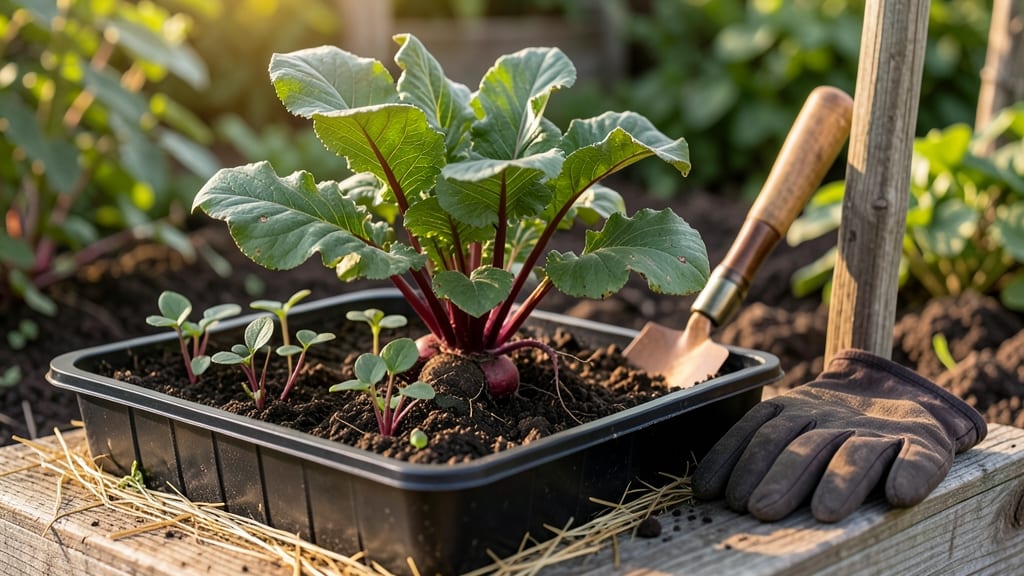
Planting beets in Southern California might seem tricky—especially when you’re staring at a 9b-10a climate that defies typical gardening rules. But here’s the secret: timing these 🍠 root veggies right means the difference between sweet, tender harvests and bitter, bolted failures.
Most gardeners in SoCal focus on just one season, but the best results actually come from two distinct planting windows: fall and spring. Skip the summer heat, and you’ll avoid the common mistake of watching your beets turn woody or flower too early.
Let’s break down the exact months—and why coastal areas play by slightly different rules than inland spots.
Whether you’re a first-timer or a seasoned grower, mastering these techniques will give you consistent harvests from November through July. No more guessing games—just reliable, flavorful beets that thrive in SoCal’s unique growing conditions.
Ready to unlock the sweetest harvests? I’ll walk you through the ideal planting calendar, regional tweaks, and pro tips to keep your beets happy from seed to table.
Southern California’s two ideal beet planting seasons (with exact months)
Growing beets in Southern California can be a game-changer for your garden, but timing is critical. Unlike cooler climates, SoCal’s mild winters and hot summers create two distinct planting windows that maximize sweet, tender harvests.
Plant too early or late, and you’ll risk bolting (premature flowering) or stunted growth from heat stress.
The key to success lies in understanding soil temperature thresholds and regional microclimates. Coastal areas like San Diego stay cooler longer, while inland zones like the Central Valley can experience sudden heat spikes.
By aligning your planting schedule with these factors, you’ll avoid common pitfalls and enjoy a steady supply of homegrown beets.
Here’s the breakdown of Southern California’s two ideal planting seasons, including exact months, soil conditions, and regional adjustments to ensure your beets thrive:
The fall/winter planting window (September–October) is my top recommendation for SoCal gardeners.
During these months, daytime temperatures gradually cool, creating ideal conditions for beet growth. Coastal areas like Malibu or Santa Barbara can start slightly later (around September 20) because they retain heat longer, while inland zones like Riverside should plant by September 1 to avoid early heat stress.
For this season, aim to sow seeds when soil temperatures hover between 50–70°F (10–21°C). Use a soil thermometer to monitor—beets struggle when soils exceed 75°F (24°C). Mulch heavily with straw or wood chips to maintain even moisture and prevent temperature spikes.
Your beets will thrive and be ready for harvest by November–December, just in time for holiday meals.
Spring planting (February–March) offers a second chance for a summer harvest, but it requires precise timing. Inland areas like Bakersfield should start by February 1, while coastal regions like San Diego can wait until February 20.
The goal is to establish seedlings before soil temperatures climb above 65°F (18°C), which triggers bolting. Use lightweight row covers if late-spring warmth arrives early.
One of the biggest mistakes I see in SoCal gardens is planting beets too late in spring. By April, even coastal areas can hit 80°F+ (27°C+) soil temperatures, causing beets to bolt within weeks.
To extend your harvest, try succession planting every 2–3 weeks in February, staggering your sowing dates to ensure a continuous supply of fresh beets through May–July.
Another pro tip: Choose bolt-resistant varieties like ‘Detroit Dark Red’ or ‘Golden’ for SoCal’s unpredictable springs. These varieties tolerate slightly warmer conditions better than standard types. Always plant seeds ½ inch deep in loose, well-draining soil amended with compost.
Beets hate soggy roots, so raised beds or mounded soil work wonders in our clay-heavy regions.
Finally, watch for heat stress signs like yellowing leaves or bitter-tasting roots—these are red flags that your beets are struggling. If planted in spring, provide afternoon shade with 30% shade cloth during heatwaves.
With these adjustments, you’ll avoid the heartbreak of wasted crops and enjoy a bountiful harvest twice a year.
How to adjust planting dates for SoCal’s microclimates (coastal vs. inland)
Southern California’s microclimates create a puzzle for beet growers. What works in coastal San Diego might fail in the LA Basin, and inland spots like the Central Valley have entirely different rules.
The key difference? Coastal areas stay cooler year-round due to ocean breezes, while inland zones can hit 100°F+ in summer—both extremes stress beets differently.
For coastal regions (think Malibu to San Diego), you’ve got a 3-4 week window longer for fall planting than inland areas. That means starting seeds as early as late August for a November harvest, while inland gardeners should wait until mid-September to avoid overheating.
Spring planting follows the same pattern: coastal gardeners can start as early as January, while inland spots should wait until February.
🌱 Key Takeaway: Adjust Your Calendar by Region
🌊 Coastal SoCal
Fall Planting: Late August–September
Spring Planting: January–February
Why? Ocean breezes delay heat buildup
🏜️ Inland SoCal
Fall Planting: Mid-September–October
Spring Planting: February–March
Why? Hotter summers require later starts
💧 Watering Adjustments
Coastal: 1 inch/week (humidity helps)
Inland: 1.5 inches/week (evaporation spikes)
Pro Tip: Use drip irrigation to avoid leaf scorch
⏰ Succession Planting
Coastal: Sow every 2 weeks until October
Inland: Sow every 3 weeks after September 15
Goal: Staggered harvests from November–July
Don’t overlook frost risk in high-elevation areas like Mountain Center or Big Bear, where rare cold snaps can damage young seedlings. While most of SoCal stays frost-free, these zones may need row covers for late fall plantings.
Test your soil temperature—beets thrive when soil stays between 50°F–75°F, so avoid planting when inland temps creep above 80°F.
To extend your harvest, try succession planting. In coastal areas, I’ve had success sowing new seeds every 2 weeks from August through October, ensuring fresh beets from November through January.
Inland gardeners should space plantings 3 weeks apart to avoid summer heat stress. Pair this with shade cloth during peak afternoon sun (1–4 PM) to protect seedlings.
One final trick: mulch heavily with straw or wood chips to keep soil cool and retain moisture. Inland gardens, especially in the Central Valley, benefit from black plastic mulch to warm the soil faster in spring.
This small adjustment can shave 2–3 weeks off your growing season—critical when every day counts in SoCal’s short ideal window.