
Plants
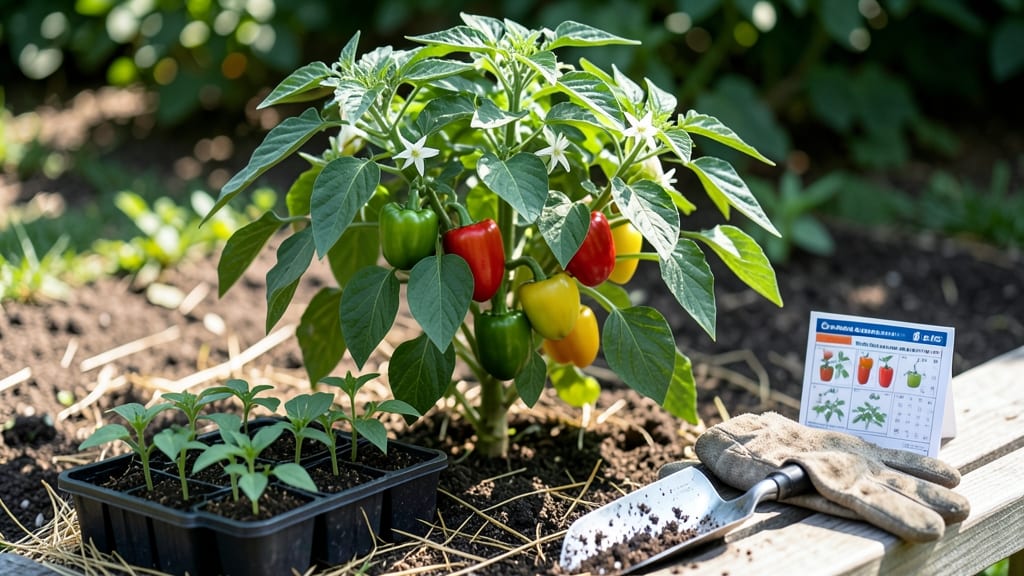
Timing is everything when you’re growing 🌶️ bell peppers in Washington State—plant too early, and frost will wipe out your crop before it even starts.
But nail the frost-free deadlines by zone, and you’ll enjoy a bountiful harvest from July through October, whether you’re in the milder Puget Sound or the cooler Eastern WA regions.
Most gardeners in USDA zones 6b-9a know the struggle: waiting too long means missing the growing window, while starting too soon risks stunted plants. The secret?
Planting after your last frost date—typically late April to early June—but with a few key adjustments depending on whether you’re starting seeds indoors or transplanting seedlings.
In Western WA (zones 8a-9a), you’ve got more flexibility—soil warms faster, and peppers thrive with 180-240 frost-free days to mature.
But in Eastern WA (zones 5b-7a), where frost lingers longer, you’ll need to push your planting window later or choose faster-maturing varieties to avoid early cold snaps.
Ready to avoid common mistakes like planting too soon or ignoring soil temperature? I’ll walk you through the exact steps to time your 🌶️ bell pepper planting perfectly—so you can enjoy homegrown peppers all season long.
Washington State frost-free deadlines for bell pepper planting by USDA Zone
Washington State’s varied climate—from the cool coastal regions of the Puget Sound to the hotter inland valleys of the Columbia Basin—means bell pepper planting deadlines vary dramatically. In USDA Zones 7-9, timing your transplants after the last frost date is critical, but soil temperature matters just as much.
Peppers thrive in warm soil (60°F+), so rushing them into cold ground guarantees failure. Let’s break down the frost-free windows by region to help you plan for a bountiful harvest.
For Western Washington (Zones 8-9), including Seattle, Olympia, and Bellingham, the average last frost date falls between March 15 and April 15. However, coastal areas like San Juan Island may experience frost as late as May 1.
Inland cities like Spokane (Zone 6b-7a) and the Columbia Basin (Zone 7b-8a) have later frost dates, often May 15 to June 1. These differences mean your transplant window shifts from early April in Zone 9 to late May in Zone 7.
Here’s the non-negotiable rule: Wait until the soil temperature consistently stays above 60°F before planting. A soil thermometer is your best friend—peppers won’t germinate or grow well in cooler soils. In Puget Sound, this often means delaying until late May, even if frost risk is low.
In Eastern WA, where nights stay cooler longer, June 1 is a safer bet for most varieties.
🌱
If you’re growing bell peppers from seed, start them indoors 8-10 weeks before your last frost date. For Puget Sound gardeners, that means mid-January to February sowing.
Use grow lights to provide 12-14 hours of light daily—peppers need plenty of light to prevent leggy seedlings. Harden off seedlings for 7-10 days before transplanting to avoid shock.
For direct sowing (less common for peppers), wait until after Memorial Day in most of Washington. However, direct sowing is riskier because seedlings are slower to establish and more vulnerable to flea beetles and cool soils.
Transplants give you a 2-3 week head start, which is critical in shorter-season zones like Spokane (Zone 6b).
Pro tip: Use black plastic mulch to warm the soil faster and suppress weeds. Lay it down 1-2 weeks before transplanting to give the ground time to heat up. In cooler zones, this can shave 10-14 days off your planting timeline.
Pair it with drip irrigation to keep moisture consistent without wetting the foliage, which reduces disease risk like phytophthora.
💧
Don’t forget: Bell peppers are heat-lovers, and they won’t set fruit if nights dip below 55°F. In Western WA, this means waiting until late May for most varieties.
In Eastern WA, where days heat up faster, you can plant early June and still get a full harvest before the first frost
How to adjust planting timing for early vs late varieties in WA’s climate
Washington’s diverse microclimates mean your bell pepper timing should vary between Western WA’s mild zones and Eastern WA’s cooler regions.
Early varieties like ‘Early California Wonder’ (60 days to maturity) thrive in short-season zones, while late varieties such as ‘King of the North’ (85+ days) need longer frost-free windows found in Western WA.
In Eastern WA (zones 5b-7a), where frost lingers until May 15, opt for fast-maturing varieties or start seeds indoors 8-10 weeks before last frost.
In Western WA (zones 8a-9a), you can push the envelope with later varieties, but still time transplants for soil temps above 60°F—usually by late April.
Here’s how to balance variety selection with your local climate for maximum success:
Early Varieties (60-70 Days to Maturity)
- ✅ Faster harvest (ready in 2 months)
- ✅ Cold-hardier (tolerates 50°F nights)
- ✅ Ideal for short seasons (Eastern WA, high elevations)
- ❌ Smaller yields per plant
- ❌ Limited flavor development (less sweetness)
- ❌ Shorter storage life (harvest sooner)
Late Varieties (80+ Days to Maturity)
- ✅ Larger peppers (better for stuffing)
- ✅ Deeper flavor (more sweetness)
- ✅ Longer harvest window (July-October)
- ❌ Risk frost damage if planted too late
- ❌ Need warmer soil (65°F+ for germination)
- ❌ Limited to Western WA (zones 8a-9a)
For Eastern WA gardeners, consider succession planting—sow early varieties in May, then follow with a second crop in June using row covers to protect tender seedlings.
In Western WA, you can afford to plant late varieties in early June and still enjoy a harvest before the first frost in October-November.
Another trick? Black plastic mulch warms soil 5-10°F faster, letting you plant 2 weeks earlier in cooler zones. Pair this with dwarf varieties like ‘Snackable’ (55 days) for container gardens or small spaces.
Remember: Soil temperature matters more than air temperature. Use a soil thermometer to confirm 60°F+ before planting—cold soil delays germination and stunts growth. In high-elevation areas, even late varieties may struggle, so adjust expectations or choose ‘Aristotle’ (70 days), a cold-tolerant hybrid.
By matching your pepper variety to your local frost-free window and using season-extending tools, you’ll turn Washington’s variable climate into an advantage. Start with early varieties in cool zones, then graduate to late varieties as you gain confidence—and enjoy homegrown peppers from July to October! 🌶️