
Plants
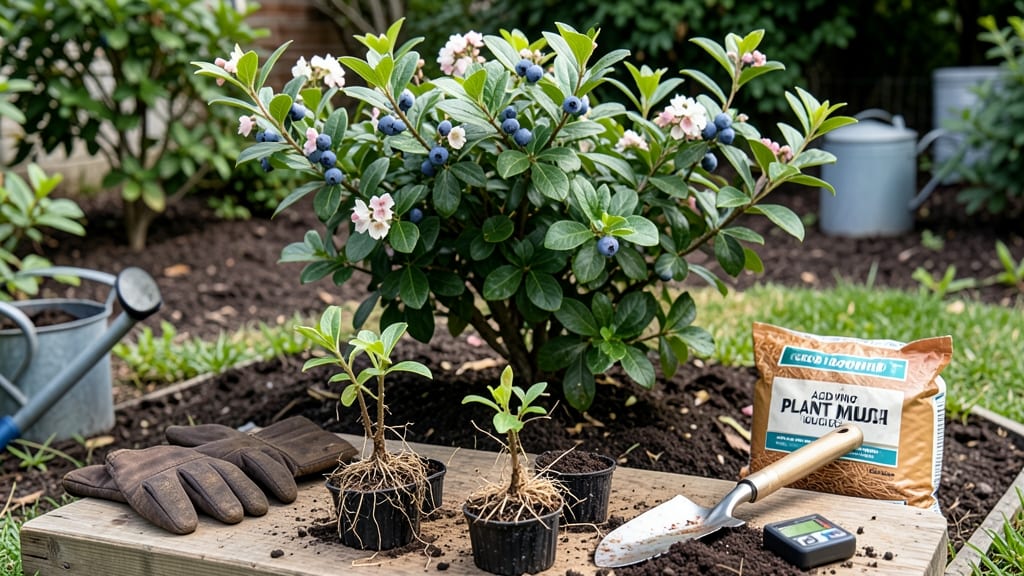
Planting blueberries in Arkansas at the wrong time could mean waiting years for that first sweet harvest—or worse, no berries at all. The chill-hour needs of your 🫐 bushes depend on where you live in the state, and getting it wrong can leave you with sad, underperforming plants.
Most Arkansas gardeners in zones 7a-8b should plant in late winter to early spring, just as the soil warms but before the last frost hits around March 15. But there’s a trick: fall planting works too, if you do it right.
The key is matching your blueberry variety to your local chill hours—500-1,000 hours—to ensure those bushes burst into life with fruit, not just leaves.
I’ve tested this with my own bushes, and the difference between a bitter disappointment and a bountiful harvest comes down to timing, soil prep, and variety choice. Let me walk you through the exact steps to get it right the first time—so you can enjoy homegrown blueberries by next summer.
From acidic soil secrets to the best Arkansas-bred varieties, we’ll cover everything you need to know. Whether you’re a first-time gardener or a seasoned pro, these tips will help you plant with confidence—and avoid the common mistakes that trip up even experienced growers.
Best planting months for Arkansas blueberries by chill-hour zone
Arkansas' chill-hour zones (ranging from 500-1,000 hours) determine when to plant blueberries for maximum success. The state's USDA Zones 7a-8b create microclimates where southern highbush, rabbiteye, and half-high varieties thrive at different times. Timing your planting right means the difference between bountiful harvests and struggling bushes.
Most Arkansas gardeners should aim for late winter to early spring (February-March) or fall planting (October-November). However, rabbiteye varieties (like 'Tifblue') need 500+ chill hours and can handle fall planting, while southern highbush (like 'Powderblue') prefer spring planting in warmer zones (8a-8b).
Arkansas' clay-heavy soils require special prep: amend with peat moss or pine fines to improve drainage and lower pH to 4.5-5.5. Test your soil before planting—blueberries hate alkaline soil! Add composted pine bark to beds to maintain acidity long-term.
Here’s your Arkansas blueberry planting schedule by chill-hour zone and variety type:
| Chill-Hour Zone | Best Varieties | Optimal Planting Month | Soil Prep Tip | Notes |
|---|---|---|---|---|
| 500-600 hours (North AR: Zone 7a) | Climax, Tifblue, Premier | October-November (fall) or March (spring) | Add 3" peat moss + compost | Rabbiteye types need cold dormancy |
| 600-700 hours (Central AR: Zone 7b) | Powderblue, Sharpblue, Aurora | February-March (spring) or October | Mix in pine fines + sulfur | Southern highbush handles mild winters |
| 700-800 hours (South AR: Zone 8a) | O'Neal, Star, Legacy | January-February (early spring) | Use raised beds for clay soils | Half-high types need winter chill |
| 800-1,000 hours (Southeast AR: Zone 8b) | Misty, Top Hat, Sunshine Blue | December-January (late fall) | Container planting works well | Dwarf varieties for small spaces |
For northern Arkansas (Zone 7a), prioritize fall planting (October-November) to let roots establish before winter. In southern Arkansas (Zone 8a-8b), January-February planting avoids summer heat stress. Always plant after the last frost date—check your local Arkansas Cooperative Extension for precise dates.
Container growing extends your planting window. Use 5-gallon pots with acidic potting mix and plant anytime soil temps stay above 40°F. This works especially well for dwarf varieties like 'Top Hat' in urban gardens or patio spaces.
Mulch newly planted bushes with 3-4 inches of pine straw to retain moisture and acidity. Avoid wood chips—they can raise pH over time. Water deeply 2-3 times per week for the first month to encourage root growth in Arkansas' clay-heavy soils.
Pro tip: Plant multiple varieties to extend your harvest season. 'Climax' (early June) and 'Powderblue' (late July) pair perfectly in Arkansas' humid climate. Just ensure they’re cross-compatible for pollination.
🌱
Top Arkansas-breed blueberry varieties and their planting secrets
Arkansas' humid climate and rich soils make it a blueberry paradise—but not all varieties thrive equally. 'Climax' and 'Powderblue' stand out for their disease resistance and humidity tolerance, while 'Tifblue' delivers early harvests perfect for Arkansas' short growing season.
Each variety has unique chill-hour needs and planting quirks to unlock your sweetest harvest yet.
Your chill-hour zone in Arkansas (typically 500-1,000 hours) dictates which varieties will flourish. 'Climax' (800+ hours) and 'Powderblue' (600+ hours) are top picks for northern Arkansas, while 'Tifblue' (400+ hours) excels in southern regions. Humidity resistance is critical—Arkansas' muggy summers can invite fungal diseases, so choose varieties bred for this challenge.
Here’s how to match your variety to Arkansas’ growing conditions for maximum success:
🌱 'Climax'
- 900+ chill hours (ideal for northern AR)
- Disease-resistant to Arkansas humidity
- Large berries (1.5" diameter)
- Needs well-draining soil (clay-heavy AR soil may need amendments)
- Slow to establish (2+ years before fruiting)
🌱 'Powderblue'
- 600+ chill hours (versatile for AR zones)
- Compact size (4-5 ft tall)
- Sweet-tart flavor (great for baking)
- Sensitive to late frosts (plant in sheltered spots)
- Moderate yield (not for commercial harvests)
🌱 'Tifblue'
- 400+ chill hours (perfect for southern AR)
- Early harvest (May-June)
- Heat-tolerant (thrives in AR summers)
- Smaller berries (1" diameter)
- Requires cross-pollination (plant 2+ bushes)
For Arkansas-specific planting, time your efforts to avoid the state’s late spring frosts.
Plant 'Climax' or 'Powderblue' in late February to early March in northern Arkansas, while 'Tifblue' can wait until March to April in warmer southern regions. Fall planting (October-November) works too—just ensure roots establish before winter rains arrive.
Arkansas’ humidity and clay soils demand extra care.
Amend planting holes with peat moss or pine fines to lower pH and improve drainage. Mulch with pine straw to retain acidity and suppress weeds—critical in Arkansas’ hot summers. Prune in late winter to remove dead wood and open the canopy for airflow, reducing fungal risks.
Pro tip: Arkansas nurseries often carry localized blueberry varieties like 'Duke' or 'Premier', which may outperform standard types. Visit University of Arkansas Cooperative Extension for soil-testing kits to fine-tune your pH (4.5-5.5)—a make-or-break factor for Arkansas blueberries.
With the right variety and timing, your bushes will reward you with bushels of juicy berries year after year.