
Plants
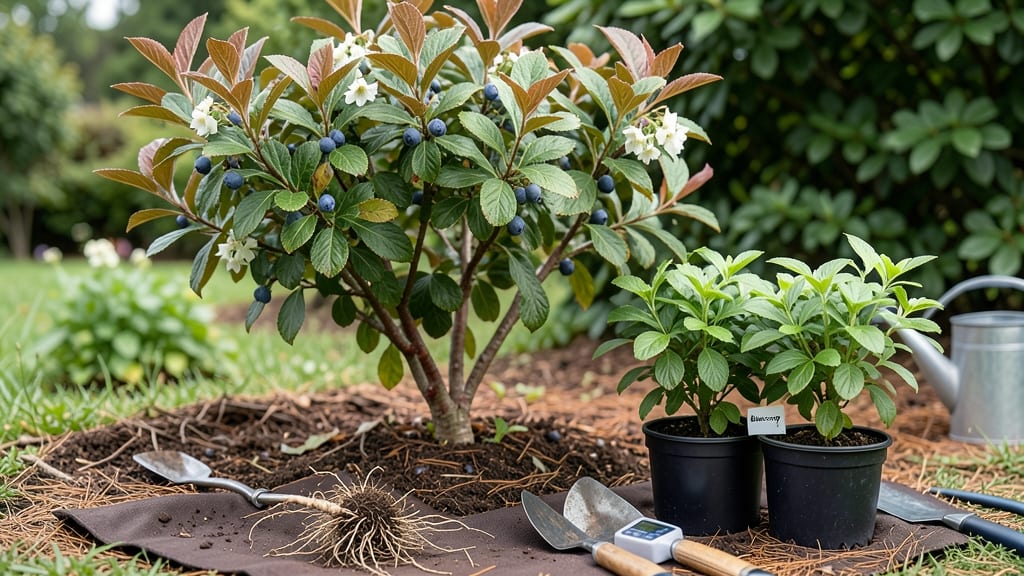
Planting blueberries in Washington State at the wrong time could mean the difference between a bountiful harvest and a sad, frost-bitten bush. Whether you're in the rainy Pacific Northwest or the drier eastern regions, timing matters more than you might think.
With USDA Zones 6-8 across the state, your local climate plays a huge role in when to plant. The best windows are late winter to early spring or early fall, but there’s more to it than just picking a month.
I’ll show you how to align your planting with frost-free dates and chill-hour needs for the varieties that thrive here.
From soil prep to frost protection, I’ve got the actionable steps you need to set your blueberries up for success. Whether you’re planting in-ground or in containers, these tips will help you avoid common mistakes and get the most out of your 🫐 bushes.
Ready to grow your own sweet, homegrown blueberries? Let’s dive into the perfect planting schedule for your region and the varieties that will give you the best results.
Best planting months for blueberries in Washington State by region
Washington State’s varied climate means blueberry planting times differ dramatically between regions. In the cooler, wetter Western WA, you’ll want to plant earlier to avoid winter rains, while Eastern WA’s hotter, drier zones benefit from late-season planting.
High-elevation areas like the Cascade foothills have their own unique windows tied to frost-free dates. Understanding these differences ensures your blueberries thrive from the first season.
For all regions, the ideal planting window is either late winter to early spring (February–April) or early fall (September–October). Spring planting gives roots time to establish before summer heat, while fall planting avoids late-spring frosts that can damage tender new growth.
Your local USDA hardiness zone (6b–8a) and frost-free dates are your best guides.
The comparison table below breaks down the best planting months by region, including key considerations like soil prep, watering needs, and frost protection. Use this as your roadmap to avoid common mistakes like planting too early in frost-prone areas or too late in hotter zones.
| Region | Ideal Planting Months | Key Considerations | Frost-Free Window | Soil Prep Tip |
|---|---|---|---|---|
| Western WA (e.g., Seattle, Olympia) | September–October (fall) or February–March (spring) | Avoid winter rains; mulch heavily. Use acid-loving varieties like 'Duke' or 'Bluecrop'. | Last frost: March 20–April 15 | Amend soil with peat moss and sulfur to lower pH to 4.5–5.5. |
| Eastern WA (e.g., Spokane, Wenatchee) | April–May (spring) or September (fall) | Hotter summers; plant heat-tolerant varieties like 'Legacy'. Water deeply after planting. | Last frost: April 15–May 1 | Add composted pine needles for acidity and moisture retention. |
| High Elevation (e.g., Leavenworth, Snoqualmie Pass) | May–June (spring) or August–September (fall) | Shorter growing season; choose cold-hardy varieties like 'Jersey'. Protect from late frosts. | Last frost: May 15–June 1 | Use container planting for flexibility and frost protection. |
If you’re planting in Western WA’s coastal regions, aim for September–October to let roots establish before winter rains. These areas often see milder winters, but late-spring frosts (around April 15) can still damage young plants.
For spring planting, wait until February–March to avoid frost damage to tender shoots.
In Eastern WA’s drier climate, April–May planting is ideal because it aligns with soil warming and reduced frost risk. However, September planting also works well here, as the hotter summers mean you’ll avoid stressing the plant during peak heat.
Always water deeply after planting to help roots establish in the dry soil.
High-elevation zones like the Cascade foothills have the latest frost-free dates, often not until May 15–June 1. Planting in May–June ensures your blueberries aren’t caught off guard by late frosts.
If you prefer fall planting, August–September is your window, but be prepared to mulch heavily to protect roots from winter chill.
For all regions, bare-root plants should be planted as soon as possible after purchase, while container-grown blueberries offer more flexibility. If you’re unsure about your local frost dates, check the USDA Plant Hardiness Zone Map or contact your local Cooperative Extension office for tailored advice.
They can also recommend varieties best suited to your microclimate.
Pro tip: Use frost cloth or row covers if planting in late spring to protect young plants from unexpected late frosts. In Eastern WA, drip irrigation is a game-changer for establishing roots in dry conditions.
And remember—acidic soil (pH 4.5–5.5) is non-negotiable for blueberries! Test your soil before planting and amend as needed.
By following these regional guidelines, you’ll set your blueberry bushes up for success, whether you’re in the rainy Pacific Northwest, the sunbaked east, or the cool mountain zones. With the right timing, you’ll be enjoying homegrown blueberries in just a few seasons! 🫐
How chill-hour requirements determine your blueberry variety choices
Choosing the right blueberry variety for Washington State isn’t just about soil pH or sunlight—it’s all about chill hours. These are the number of hours below 45°F (7°C) your plants need each winter to set fruit.
In WA, chill-hour needs range from 400 to over 1,000 hours, depending on your region. Pick the wrong variety, and you’ll end up with bushes that flower but never produce berries—or worse, fail to survive the winter.
Western WA’s milder winters (typically 600–800 chill hours) favor varieties like ‘Duke’ and ‘Legacy’, while Eastern WA’s colder zones (often 900–1,200 chill hours) thrive with ‘Bluecrop’ or ‘Jersey’.
Even within a single county, microclimates can shift your chill-hour count by 200+ hours, so always check local data before buying plants.
| Variety | Chill Hours | Best WA Region | Harvest Time |
|---|---|---|---|
| Duke | 600–800 | Western WA (mild winters) | July–August |
| Legacy | 700–900 | Western WA (cooler zones) | July–August |
| Bluecrop | 900–1,200 | Eastern WA (cold winters) | July–September |
| Jersey | 1,000–1,300 | High-elevation WA | August–September |
If you’re unsure about your chill hours, use a home weather station or check the USDA Plant Hardiness Zone Map. For example, Spokane (Zone 6b) averages 1,200+ chill hours, while Seattle (Zone 8a) often sees just 600–800 hours.
A 300-hour difference can mean the difference between a bountiful harvest and a barren bush!
Pro tip: If you love ‘Duke’ but live in Eastern WA, consider planting it in a microclimate pocket—like a sheltered spot near a south-facing wall—that might add 100–200 extra chill hours.
Alternatively, pair it with a high-chill variety like ‘Bluecrop’ for cross-pollination (most blueberries need a second variety to fruit).
Don’t overlook container gardening for low-chill varieties. Pots let you move plants to garages or covered porches during winter to protect them from unexpected warm spells. Just ensure your container is at least 18 inches deep and use a well-draining, acidic mix.
Finally, remember that chill hours aren’t the only factor. Even if your variety matches your zone, poor soil prep or late planting can still ruin your harvest.
Always amend soil with peat moss or sulfur to keep pH between 4.5–5.5, and plant 2–3 weeks before your last frost date for the best root establishment.