
Plants
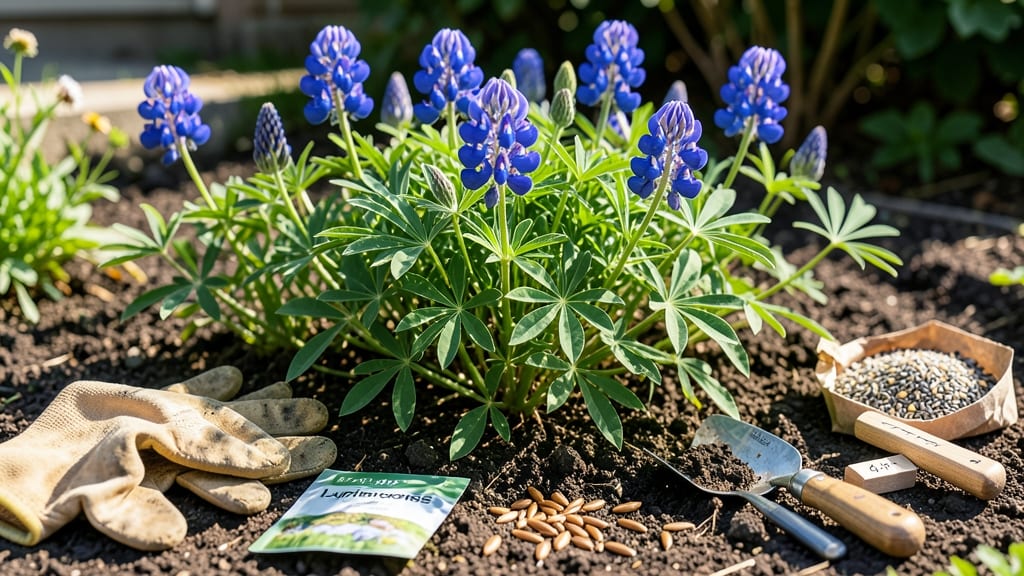
Planting bluebonnet seeds in Houston at the wrong time could mean waiting another year for those signature 🌸 bluebonnet blooms—or worse, losing them entirely to Houston’s heat or humidity.
The perfect window isn’t just "fall"; it’s a 6-week stretch between mid-October and late November when soil temps and rainfall align just right for germination.
Why does timing matter so much in Houston’s Zone 9a climate? Because those seeds need to sprout before winter sets in, but not so early that they’ll fry in a late-summer heatwave.
I’ve seen firsthand how a few weeks’ difference can turn a thriving spring display into a sad, patchy mess—or worse, no blooms at all.
Most gardeners assume "fall" means September, but in Houston, that’s a recipe for disappointment. The key is waiting until after the first September heatwave passes and before the ground gets too cold.
That’s when you’ll get the hardy seedlings that push through winter and reward you with vibrant blue carpets in spring.
In this guide, I’ll break down the exact dates, Houston-specific soil prep tips, and how to adjust for microclimates—whether you’re in the heat islands of downtown or the cooler pockets near the Gulf. Let’s get those bluebonnets growing the right way.
Houston’s ideal bluebonnet seed planting window: exact fall dates for success
Houston’s humid subtropical climate creates a 6-week golden window for planting bluebonnet seeds—from mid-October to late November. This timing ensures seeds germinate before winter rains, while soil temps stay consistently above 60°F but haven’t yet plummeted.
Miss this window, and you risk either early sprouts freezing or seeds rotting from Houston’s winter moisture.
Why fall? Bluebonnets (Lupinus texensis) are cool-season annuals that need 4-6 weeks of warm soil to establish roots before dormancy. Planting too early (like September) can trigger premature germination that freezes in December’s occasional 20°F dips.
Planting too late (December+) means seeds may not sprout until spring—when Houston’s summer heat arrives too soon.
Here’s the Houston-specific rule: Aim for soil temperatures between 60-75°F at a 2-inch depth.
Use a soil thermometer to check—if temps drop below 55°F, delay planting. Natural rainfall patterns also play a role: Houston’s October-November showers help hydrate seeds without drowning them, unlike the heavy summer rains that can wash seeds away.
For La Niña years (drier winters), plant seeds 2 weeks earlier (early October) to capitalize on fall moisture. In El Niño years (wetter winters), delay until late October to avoid waterlogged soil. Check the National Weather Service for Houston’s seasonal forecasts before finalizing your schedule.
| Planting Window | Soil Temp | Rainfall Goal | Houston Adjustment |
|---|---|---|---|
| Mid-October | 60-75°F | Established moisture | Start in Pearland (warmer microclimate) |
| Late October | 55-65°F | Moderate rains | Ideal for Houston Heights (cooler) |
| Early November | 50-60°F | Light showers | Last chance for urban areas (heat islands) |
| Late November | Below 50°F | Dormant season | Risk of seed rot—avoid |
To maximize success, prep your soil 2-3 weeks before planting. Houston’s clay-heavy soil needs amendments like compost or sand to improve drainage. Work in 1-2 inches of organic matter to a depth of 6 inches. Avoid fresh manure, which can burn seeds.
Test your soil’s pH (6.0-7.0 ideal)—Houston’s alkaline tendencies may require sulfur or peat moss adjustments.
Once planted, protect seeds from birds and squirrels—they’re notorious in Houston. Use chicken wire or row covers until seedlings reach 2 inches tall. Water lightly but consistently—Houston’s evaporative humidity means seeds need moisture, but overwatering causes rot.
Aim for 1 inch of water per week, delivered in the morning to reduce fungal risks.
After germination (typically 10-21 days), thin seedlings to 6-12 inches apart. This spacing ensures optimal airflow, reducing the powdery mildew that thrives in Houston’s high humidity.
Mulch with straw or pine needles to retain moisture and suppress weeds—just keep mulch 1 inch away from stems to prevent rot.
By following this Houston-specific timeline, your bluebonnets will bloom vibrantly in March-April, turning roadsides and gardens into iconic blue carpets. The key? Plant in that 6-week fall window, prep your soil, and let Houston’s mild winters do the rest. 🌸
How Houston’s microclimates affect bluebonnet planting: north vs. south vs. urban heat islands
Houston’s sprawling geography creates distinct microclimates that can shift your bluebonnet planting window by 2-3 weeks. The Houston Heights might still be baking in late October when Pearland is already cool enough for germination.
Even within the same neighborhood, a concrete heat island can raise soil temps by 10°F compared to nearby green spaces.
These variations mean the standard mid-October to late November window needs adjustment. Urban areas like Downtown or Montrose often require planting 2 weeks later than cooler suburbs like Katy or The Woodlands. The key is monitoring soil temperature—bluebonnets need it between 60-70°F for optimal germination.
🌱 Comparison Table: Houston Microclimates & Bluebonnet Planting Windows
| Microclimate | USDA Zone | Planting Window | Soil Temp Target | Urban Adjustments |
|---|---|---|---|---|
| North Houston (Spring Branch, Cypress) | 8b | Late September - Mid-November | 60-70°F | Cooler nights; plant 1 week earlier |
| South Houston (Pearland, Sugar Land) | 9a | Mid-October - Late November | 60-70°F | Warmer soils; wait for first frost risk |
| Urban Heat Islands (Downtown, Midtown) | 8b/9a | Late October - Early December | 65-75°F (warmer soils) | Use mulch to moderate temps; plant in morning shade |
| Gulf Coast Edge (Baytown, Pasadena) | 9a | Early October - Mid-November | 60-68°F | Higher humidity; ensure well-draining soil |
For urban gardeners, heat-retaining surfaces like concrete or asphalt can create microclimates where soil stays 10-15°F warmer than nearby grassy areas. To compensate, plant in raised beds or use organic mulch (like straw) to insulate seeds.
I’ve seen bluebonnets thrive in downtown planters by starting seeds in shaded areas until soil cools.
If you’re unsure about your microclimate, use a soil thermometer—it’s the most reliable way to time your planting. Aim for 60°F minimum and hold off if temps dip below 55°F.
In Zone 8b areas, you might even get a second planting window in December if winter stays mild.
Pro tip: Pearland gardeners often plant 3 weeks earlier than those in the Houston Heights, yet both areas get stunning blooms. The secret? Adjusting for local frost dates and soil moisture.
Houston’s humidity helps retain moisture, but urban areas dry out faster—so water lightly after planting but avoid soggy soil.
Remember, bluebonnets are hardy survivors, but they won’t wait forever. If you miss the window, don’t despair—just mark your calendar for next year and use these microclimate tips to nail it. Those 🌸 blue carpets are worth the effort!