
Plants
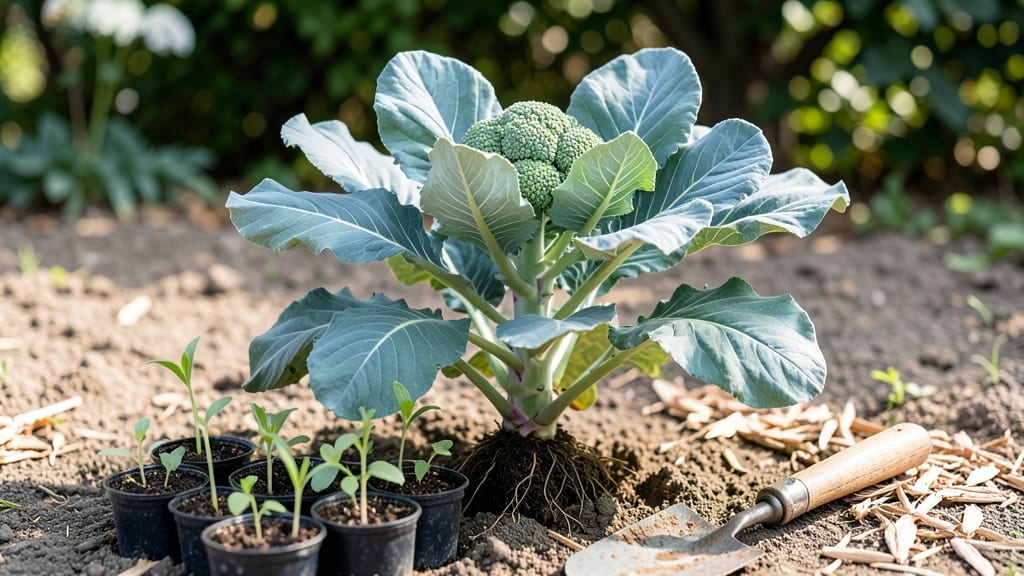
Planting broccoli 🥦 in North Carolina’s fall means the difference between a thriving harvest and a sad, frost-bitten disappointment. The key isn’t just throwing seeds in the ground—it’s knowing the exact week to start, so your plants mature before winter’s first chill.
I’ve grown broccoli here for years, and I’ll show you how to time it perfectly for your zone, whether you’re in Raleigh, Asheville, or Charlotte.
Most gardeners miss the window because they don’t account for NC’s 180-220 frost-free days or the way microclimates shift harvest dates by weeks. Too early, and your broccoli bolts in the heat; too late, and frost ruins your efforts before you even taste that first crisp head.
The secret? Planting 4-6 weeks before your first frost—and I’ll break down exactly how to calculate that for your specific corner of the state.
You’ll also discover which cold-hardy varieties thrive in NC’s fall, how to adjust for elevation or urban heat, and the 3 mistakes that wreck harvests every year.
By the end, you’ll have a foolproof schedule tailored to your garden’s unique conditions—so you can enjoy fresh, homegrown broccoli from November straight through winter.
Ready to ditch the guesswork? Let’s get your broccoli in the ground at the perfect moment for a harvest that’ll make your neighbors jealous.
NC fall broccoli planting timeline: exact weeks before first frost
North Carolina’s fall frost dates vary dramatically between Raleigh, Asheville, and Charlotte, making precise timing critical for broccoli success. In Zone 7a (mountains), first frost hits around October 20-25, while Zone 8b (coastal) sees frost closer to November 10-15.
For a 60-day harvest window, aim to plant when daytime temps stay below 80°F but nights dip into the 50s.
Your planting window opens 4-6 weeks before frost—typically late August to early October. This ensures broccoli matures before cold snaps but avoids summer heat stress. Direct sowing works for fast varieties, while transplants give you a 2-week head start for cooler microclimates like the Blue Ridge Mountains.
| Region | Avg. First Frost | Direct Sow Window | Transplant Window | Harvest Timeline |
|---|---|---|---|---|
| Raleigh (Zone 7b) | October 25 | September 15-October 10 | August 20-September 5 | November 15-February 15 |
| Asheville (Zone 7a) | October 20 | September 10-October 5 | August 15-September 1 | November 1-February 10 |
| Charlotte (Zone 8a) | November 10 | September 25-October 20 | August 30-September 15 | December 1-April 1 |
Adjust 1-2 weeks earlier for high-elevation sites or later for urban heat islands
For direct sowing, drop seeds ¼ inch deep in well-drained soil with 18-24 inches between plants. Use shade cloth if temps exceed 85°F for more than 2 days. Transplants should be 4-6 weeks old with 4-6 true leaves—harden them off 7-10 days before moving to the garden.
My pro tip: Plant a successive crop every 2 weeks from September through October. This staggered approach ensures continuous harvests until February in milder zones. Use row covers after frost to extend the season by 2-3 weeks.
Soil temps below 50°F slow germination, so avoid planting if ground temps dip. Test your soil’s pH (6.0-7.0 ideal) and amend with compost for better cold tolerance. Mulch heavily with straw or leaves to protect roots from temperature swings.
Watch for cabbage worms and aphids—common fall pests. Apply neem oil or row covers at first sign of damage. Harvest heads when 6-8 inches wide and tightly closed; side shoots will follow for 3-4 weeks after the main head.
If you’re in Zone 8b, consider winter mulching with straw or pine needles to protect broccoli through light frosts. Some varieties like 'Calabrese' can survive 20°F with protection. For Zone 7a, focus on fast-maturing varieties like 'De Cicco' (50 days) to beat frost.
Use the NC State Extension’s frost date calculator to refine your timeline: www.ces.ncsu.edu. Bookmark this as your fall planting guide—it’s the difference between a bountiful harvest and a frosted disappointment.
How to adjust planting for NC’s microclimates (and avoid common mistakes)
North Carolina’s diverse geography means your neighbor’s perfect broccoli harvest might fail in your garden. Elevation, urban heat islands, and soil types create microclimates that shift frost dates by weeks.
For example, Asheville’s mountain air can delay frost until November 15, while Charlotte’s urban sprawl may see it arrive by October 25. Adjust your planting schedule by 2-3 weeks based on your specific conditions—this is how I’ve saved countless harvests in my own garden.
Start by checking your local frost dates from the NC State Extension Service. Then, account for your garden’s unique factors: higher elevations stay cooler, while urban areas trap heat. If you’re in the Piedmont region, aim for late September planting; mountain gardeners should wait until early October.
Soil type also matters—sandy soils warm faster and may need earlier planting, while clay holds moisture longer and can handle later starts.
⚠️ callout warning ⚠️
- Mistake 1: Planting too close to frost dates. Fix: Broccoli needs 50-80 days to mature—plant 6-8 weeks before your first frost, not after.
- Mistake 2: Ignoring soil temperature. Fix: Soil should be 45°F+ for seeds; use a soil thermometer to avoid slow germination.
- Mistake 3: Overlooking urban heat islands. Fix: If your garden is in a concrete-heavy area, plant 2 weeks earlier than rural schedules.
Pro Tip: Use row covers to extend your harvest by 2-3 weeks in early fall or late spring.
For elevation adjustments, remember that every 1,000 feet gained adds about 3-5 days of growing time. If you’re at 3,000 feet in the mountains, delay planting until October 1-15 to avoid early frost.
Meanwhile, coastal gardeners in Wilmington can start as early as mid-August thanks to milder temperatures. Always test your soil’s pH (6.0-7.0 ideal)—broccoli hates acidic soil, which can stunt growth.
Urban gardeners face unique challenges like heat reflection from buildings and drought stress from pavement. To combat this, I recommend drip irrigation and mulching with straw to retain moisture.
If your garden is in a low-lying area, watch for frost pockets—these can form even when nearby areas stay warm. Plant on a slightly elevated bed or use black plastic mulch to warm the soil and delay frost.
One of my biggest lessons came from a failed harvest in Raleigh years ago. I planted on September 1st following a generic schedule, but my garden was in a heat island near downtown. By October, the broccoli bolted before forming heads.
Now, I adjust by 10-14 days later for urban areas. Always observe your garden’s microclimate quirks—note where frost forms first and where heat lingers longest.
Finally, don’t forget that broccoli thrives in cooler weather—ideal temperatures are 60-70°F. If your fall brings unseasonably warm spells, provide afternoon shade with a lightweight row cover or shade cloth. This simple trick has saved my plants from bolting during heatwaves in late September.
With these adjustments, you’ll turn NC’s microclimates from a challenge into an advantage for a bountiful, frost-free harvest. 🥦