
Plants
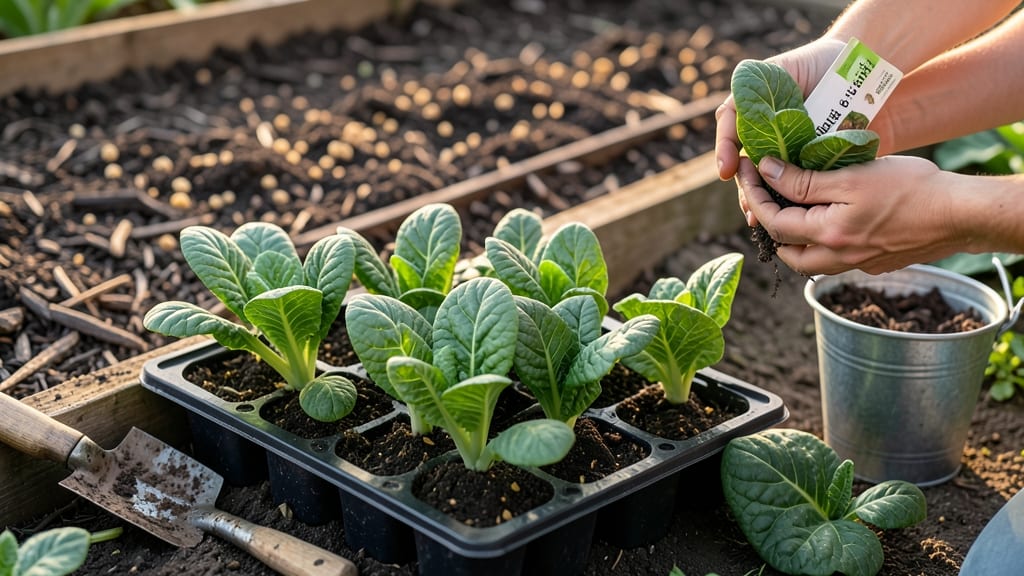
Planting collards in North Carolina at the wrong time can turn your garden into a bitter disappointment—but get the timing right, and you’ll enjoy fresh 🥬 harvests from spring through fall. Unlike heat-loving crops, collards thrive in cooler weather, making early spring and late summer the sweet spots for planting.
In zones 7a-8b, aim to sow seeds 4-6 weeks before your last frost date—typically March to April—so they mature before summer’s heat sets in. For a fall crop, plant again in August to September, giving them time to bulk up before winter’s chill slows growth.
This two-season strategy works because collards are cold-hardy, but rushing them can lead to slow starts or stunted plants. I’ll show you how to adjust for your specific region—whether you’re in the Coastal Plain, Piedmont, or Mountains—so you can avoid common mistakes and enjoy a steady supply of homegrown greens.
Ready to transform your garden into a year-round collard powerhouse? Let’s dive into the exact planting schedule, frost-tolerant tips, and how to extend your harvest well into winter.
North Carolina collard planting calendar: best months for spring, fall, and overwintering
Collards thrive in North Carolina’s USDA zones 7a-8b, thanks to their cold-hardy nature and ability to sweeten after frost. But timing your planting windows correctly ensures tender, flavorful leaves instead of bitter or stunted growth.
Whether you're starting from seeds or transplants, knowing when to plant makes all the difference for a bountiful harvest.
Spring and fall are the prime planting seasons for collards in NC, but overwintering is also possible with the right techniques. The key is aligning your planting schedule with frost dates and soil temperatures.
For most of the state, the last frost date falls around March 15, while the first frost typically arrives by November 15—though these dates vary slightly by region.
| Season | Planting Window | Method | Soil Temp | Harvest Window |
|---|---|---|---|---|
| Spring | March 1 - April 15 | Direct sow or transplant | 50-60°F | May - June |
| Early Spring | February 15 - March 1 | Transplant only | 45-50°F | April - May |
| Fall | August 1 - September 15 | Direct sow or transplant | 60-70°F | October - November |
| Late Summer | July 15 - August 1 | Direct sow only | 65-75°F | September - October |
| Overwintering | September 1 - October 15 | Transplant + mulch | 50-60°F | Winter - Spring |
For spring planting, aim to sow seeds or transplant 4-6 weeks before your last frost date. In most of NC, this means starting in early March. If you're using transplants, they’ll establish faster and give you an earlier harvest.
For direct sowing, plant seeds about ¼ inch deep in well-prepared soil with a pH of 6.5-7.0.
Fall planting offers a second harvest window, with August-September being ideal. Plant 6-8 weeks before your first frost to ensure mature leaves before cold sets in.
Late summer plantings (mid-July) can also work if you use fast-maturing varieties like 'Georgia Southern' or 'Vates'. These varieties handle NC’s heat better than slower growers.
If you're overwintering collards, plant transplants in early September and protect them with row covers or thick mulch. This method extends your harvest into winter and even early spring. Just be sure to choose cold-hardy varieties like 'Blue Max' or 'Top Bunch', which tolerate light frosts without bolting.
Adjust your planting timeline based on your NC region. Coastal areas (like Wilmington) have milder winters, so you can plant slightly later in fall or earlier in spring.
Mountain regions (like Asheville) have shorter growing seasons, so stick to the earlier windows to avoid early frosts cutting your harvest short.
When choosing between direct sowing and transplants, consider your timeline. Transplants give you a 2-3 week head start, which is crucial for early spring or late summer plantings.
For direct sowing, start seeds indoors 4-6 weeks before your outdoor planting date to give them a jump on the season.
Always monitor soil temperatures before planting. Use a soil thermometer to ensure conditions are right—50°F+ for spring and 60°F+ for fall. Cold soil can delay germination or stunt growth, so wait for the right conditions.
In NC’s variable climate, this might mean adjusting your schedule by a week or two each year.
For maximum yield, succession plant every 2 weeks during spring and fall. This staggered approach ensures a continuous supply of fresh leaves. Pair your collards with companion plants like onions or radishes to deter pests and improve soil health.
With the right timing, you can enjoy homegrown collards from late spring through winter.
🌱
How to extend your collard harvest: succession planting and overwintering tips for NC gardens
Collards are one of the most rewarding cold-season crops for North Carolina gardens, but their true potential unfolds when you use succession planting and overwintering techniques. The key to a continuous harvest lies in strategic timing and protection—especially in zones 7a-8b where winters can be unpredictable.
I’ve learned that planting in two waves (spring and fall) plus extending into winter with simple tricks can give you fresh greens for nearly 10 months of the year.
For spring plantings, start your first batch 4-6 weeks before your last frost date (typically mid-March in most of NC), followed by a second planting 2-3 weeks later to ensure a steady supply.
In fall, repeat this strategy 8-10 weeks before your first frost (around late August), with a second round in early September for a late harvest. This staggered approach prevents gaps in your harvest and maximizes garden space.
One of the biggest mistakes I see in NC gardens is underestimating how far you can push collards into winter. With the right protection, your plants can survive light frosts down to 20°F and even produce sweeter leaves after a freeze.
My go-to method is mulching with straw or leaves (4-6 inches deep) after the first frost, which insulates roots while allowing air circulation. Pair this with a floating row cover during hard freezes, and you’ll extend your harvest well into February or March.
For even longer harvests, try planting a third batch in early October specifically for overwintering. These late plantings benefit from the cool nights and mild days of NC winters, growing slowly but steadily. I’ve had success with this method in the Piedmont region, where winters are less severe.
Just be sure to thin seedlings to 12-18 inches apart—crowded plants compete for sunlight and nutrients, leading to smaller leaves.
When selecting varieties for NC’s climate, prioritize cold-hardy types like 'Georgia Southern' or 'Vates'. These varieties handle frost better than heat-sensitive ones and produce sweeter, more tender leaves after a light freeze.
Avoid tropical varieties like 'Blue Max', which struggle in NC’s winters. Also, consider purple-stemmed collards like 'Red Russian'—their vibrant color indicates high anthocyanin content, which boosts cold tolerance and nutritional value.
To avoid common cold-season pitfalls, monitor your plants for bolting (premature flowering) caused by temperature swings. If your collards start sending up flower stalks in early spring, harvest the remaining leaves immediately and remove the plant to prevent reseeding.
Another trick I use is side-dressing with compost in late winter to give plants a nutrient boost without overstimulating growth. This keeps them productive through the season without risking bolting.
With these techniques, you can turn your NC garden into a year-round collard machine—no bitter leaves or stunted growth in sight. The secret is planning ahead, protecting your plants, and choosing the right varieties for your microclimate.
Start with your first spring batch now, and you’ll be feasting on homegrown greens well into next year.