
Plants
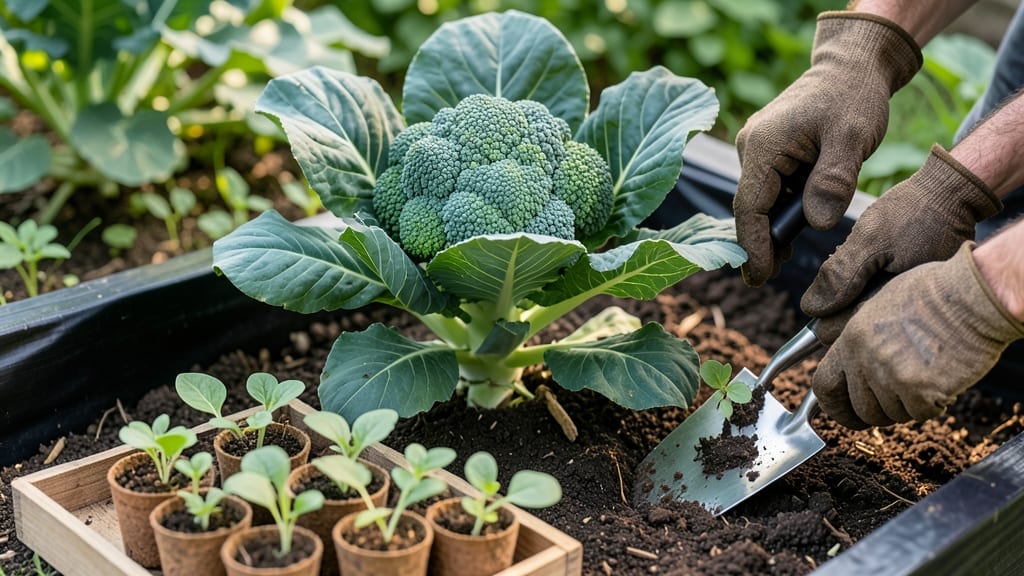
Planting broccoli at the wrong time in North Florida means sacrificing crisp, flavorful heads for bitter, bolted disappointment. The key to success isn't just knowing when to plant—it's understanding how North Florida's unique climate creates two distinct windows where your 🥦 thrives.
Fall planting between September and October gives broccoli the cool weather it craves before winter sets in, while spring's February to March window catches the tail end of frost risk.
But here's the catch: coastal areas like Jacksonville have different microclimates than inland spots like Gainesville, meaning your exact planting dates might need a few adjustments.
I've tested these timing strategies over multiple seasons, and what I'm about to share will help you avoid the most common mistakes that lead to wasted effort. Whether you're a first-time gardener or a seasoned grower, these insights will ensure your broccoli plants grow strong and productive.
Let's dive into the exact months that work best for your North Florida garden, plus how to prepare your soil and protect your plants from Florida's unpredictable weather patterns. Your perfect broccoli harvest starts with these simple but critical steps.
Best months to plant broccoli in North Florida for maximum yield
North Florida’s mild winters and humid summers create a unique growing environment for broccoli, but timing is critical. Plant too early, and heat stress causes bolting—those bitter, flower-filled stalks you don’t want.
Plant too late, and frost ruins your crop before harvest. The sweet spot? Two distinct windows that align with Florida’s climate quirks.
For fall planting, aim for mid-September to early October—this gives plants 60-70 days to mature before winter chill sets in. Spring planting? Late February to early March ensures your broccoli avoids the worst summer heat while still producing a harvest before the next growing season.
These windows prevent the two biggest enemies: heat stress and early frost.
Jacksonville’s coastal microclimate extends the growing season by 2-3 weeks compared to inland areas like Gainesville. Coastal zones stay warmer longer, allowing slightly later fall plantings (up to mid-October) and earlier spring starts (as early as mid-February). Inland areas should stick closer to the September-October and February-March windows to avoid unexpected cold snaps.
Broccoli thrives in cool temperatures (55°F-75°F), but North Florida’s summers push it toward bolting if planted too early. The ideal soil temperature for germination is 40°F-85°F, but consistent 60°F-70°F days prevent stress. Use these temperature thresholds to guide your planting schedule:
| Planting Window | Best For | Temperature Range | North Florida Adjustments |
|---|---|---|---|
| September 15–October 10 | Fall Harvest | 60°F–75°F (daytime) | Coastal: Extend to Oct 15; Inland: Stick to Oct 1 |
| February 20–March 10 | Spring Harvest | 55°F–70°F (daytime) | Coastal: Start Feb 15; Inland: Wait until Feb 25 |
| August 15–September 5 | Succession Planting (Risky) | 75°F–85°F (with shade) | Use shade cloth; high bolting risk |
| November 1–15 | Late Fall (Short Season) | 60°F–70°F (daytime) | Only for fast-maturing varieties (e.g., 'De Cicco') |
If you’re in Jacksonville or nearby coastal areas, take advantage of the extended growing season by planting Calabrese varieties like 'Green Magic' in mid-October for a winter harvest. These varieties handle light frost better than others, giving you edible shoots even after a 25°F dip.
Inland areas should avoid late fall plantings unless using row covers to protect against sudden cold snaps.
For spring planting, prioritize fast-maturing varieties like 'Waltham 29' or 'Packman' to beat the summer heat. These take 50-60 days to harvest, so planting in late February ensures you’re done before temperatures climb above 80°F.
In Gainesville’s inland climate, wait until March 1 to avoid late-winter freezes, which can damage young seedlings.
Pest pressure varies by season in North Florida. Cabbage worms and fleabeetles are worst in spring, while aphids thrive in fall. Time your planting to avoid peak pest periods: Plant fall broccoli in September (before aphids explode) and spring broccoli in late February (after fleabeetles decline).
Use row covers if you must plant outside these windows.
Pro tip: Succession plant every 2-3 weeks in your chosen window to stagger harvests. This ensures a continuous supply instead of one big harvest. For example, plant one batch on September 15, another on September 29, and a final batch on October 13.
This spreads out your work and your harvests, reducing waste.
Remember, soil preparation is just as important as timing. North Florida’s sandy soil drains too quickly, so amend with 2-3 inches of compost and a balanced fertilizer (10-10-10) before planting. This gives your broccoli the nutrients it needs to resist bolting and thrive in Florida’s humid conditions.
By following these exact planting windows and adjusting for your local microclimate, you’ll avoid the bitter, bolted broccoli that frustrates so many gardeners. Instead, you’ll enjoy crisp, flavorful heads all season long—whether you’re in Jacksonville’s coastal warmth or Gainesville’s inland chill.
How to adjust planting dates based on your North Florida Zone
North Florida’s USDA Zones 8a-9a offer two prime windows for growing broccoli: fall and spring. But timing isn’t one-size-fits-all—your exact location (coastal vs. inland) and microclimates can shift ideal dates by weeks.
For example, Jacksonville’s warmer coastal air may delay frost by 2-3 weeks compared to Gainesville’s inland chill. Let’s break down how to calculate your perfect planting window.
First, note your average first frost date (typically December 1 for most of North Florida) and last frost date (February 15). Broccoli thrives in cool weather (55-75°F), so aim to plant 8-10 weeks before frost for fall crops or 4-6 weeks before last frost for spring.
This means September-October for fall and February-March for spring in most areas.
Here’s how to adjust for your specific zone and soil type:
-
Step 1: Calculate your frost-free days
Use the National Weather Service or local extension office to find your last frost date. For Zone 8a, subtract 240 days from that date to find your first frost. Example: If your last frost is February 15, your first frost is April 15 of the previous year.
-
Step 2: Adjust for sandy Florida soil
North Florida’s sandy soil drains too quickly for broccoli. Amend with 3-4 inches of compost or aged manure 4-6 weeks before planting to retain moisture and nutrients. Test your soil’s pH (6.0-7.0)—broccoli hates acidic soil.
-
Step 3: Plant for your microclimate
Coastal areas (Jacksonville, St. Augustine): Plant 2 weeks later than inland zones due to delayed frost. Start seeds indoors in August for fall transplants. Inland areas (Gainesville, Ocala): Plant 2 weeks earlier to avoid heat stress. Use shade cloth (30%) in summer to protect seedlings.
-
Step 4: Extend the season with row covers
For late fall or early spring planting, use floating row covers to protect against light frosts (28-32°F). Remove covers during the day to prevent overheating. This can push your harvest window 2-3 weeks earlier or later.
-
Step 5: Succession plant for continuous harvests
Sow new seeds every 2 weeks from September to November for fall crops, or February to March for spring. This ensures a steady supply of fresh broccoli heads every 60-80 days.
Pro tip: If you’re in Zone 9a (like Fort Pierce), you can experiment with winter planting (December-January) under row covers. Just monitor soil temps—broccoli roots struggle below 45°F. For Zone 8a, stick to the fall window to avoid winter’s unpredictable freezes.
Finally, don’t forget to mulch heavily (3-4 inches of straw or pine needles) after planting. This keeps roots cool in summer and insulates them in winter, giving you that extra 2-3 week buffer for late or early plantings.
With these adjustments, you’ll avoid the bitter, bolted broccoli nightmare and enjoy crisp, flavorful heads all season long. 🥦